Story by Editor-at-Large CAROLINA OGLIARO
London Fashion Week has long been a crucible for audacity, where conceptual risk meets commercial ambition. In 2025, under Laura Weir’s stewardship as CEO of the British Fashion Council, the city’s fashion calendar will have transformed from a sequence of individual presentations into a cohesive, narrative-driven platform, one that balances experimentation, cultural resonance, and commercial savvy.
Laura Weir: Editorial Vision Meets Strategic Leadership
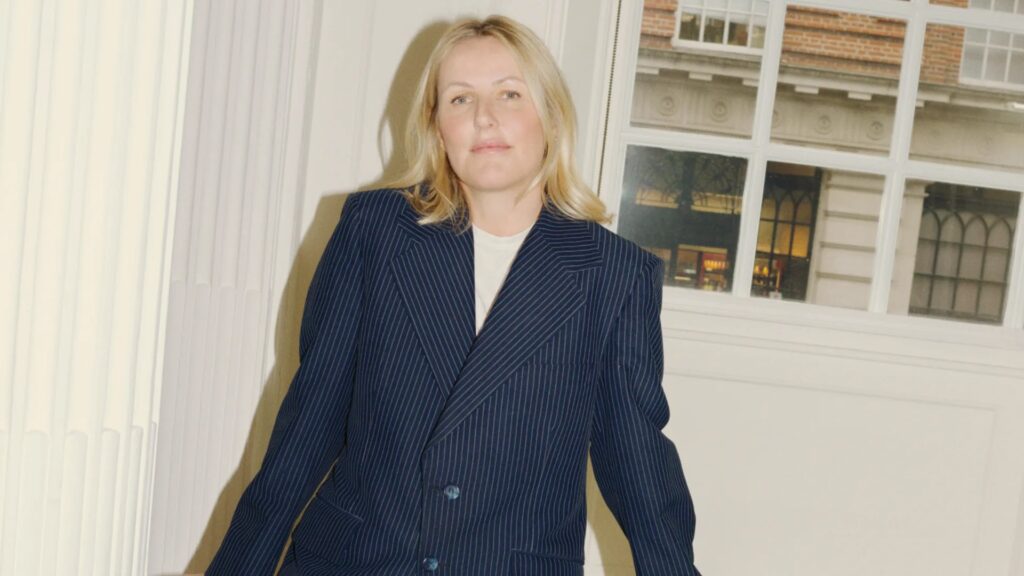
Weir’s editorial pedigree, Editor-in-Chief of ES Magazine, senior roles at British Vogue and The Sunday Times, and Chief Creative at Selfridges, has shaped her curatorial philosophy: fashion is storytelling. Her rise to the BFC in April 2025 signaled a shift toward a more intelligent, narrative-driven LFW, where collections converse with each other and reflect London’s cultural identity. Her vision emphasizes discovery, risk-taking, and the cultivation of emerging voices without sacrificing commercial relevance.
Designer-Centric Insights: Trends, Trajectories and Risks
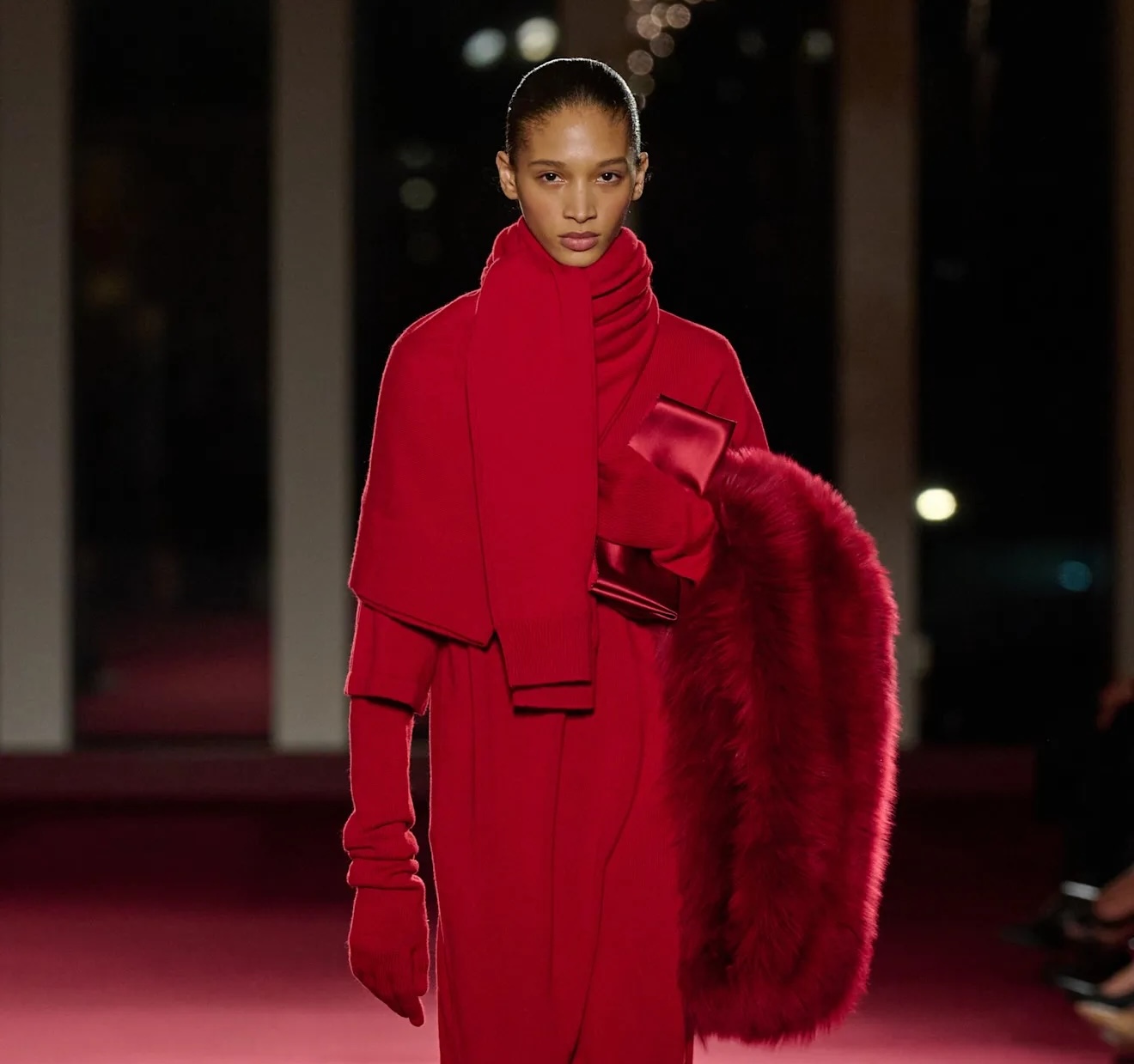
Under Weir’s curation, several recurring trends emerged across the Spring/Summer 2026 season: muted pastels and earthy neutrals dominated color palettes, layered knits and distressed leathers defined textures, and tailored deconstruction paired with fluid, asymmetric silhouettes created tension between structure and freedom. These choices exemplify Weir’s delicate balance of commercial wearability and experimental statement.
Designers like Chopova Lowena and Louis Mayhew illustrate her commitment to elevating emerging talent. Lowena’s subversive reinterpretation of cheerleader uniforms infused with Bulgarian folk motifs sparked conversation for its cultural layering, while Mayhew’s mudlarking-inspired textures drew attention for their poetic homage to London’s industrial memory. Both benefited from Weir’s strategic platform, gaining visibility among international buyers and press that might have otherwise overlooked them.
Weir is not averse to risk. This season, immersive runways, unconventional casting and performative installations became a hallmark. Aaron Esh’s club-like set fused 1930s couture with East End leatherwork, creating a theatrical, multi-sensory experience. Chopova Lowena’s show incorporated choreographed movement and live music, transforming models into protagonists of a cultural narrative. These moments amplified engagement, generated media buzz and positioned London as a laboratory for concept-driven fashion.
Runway as Cultural Statement
London under Weir is now defined by experiential storytelling. Iconic moments this season included Mayhew’s sculptural knit dress that appeared almost molten under runway lights and Esh’s final look, a leather-and-lace ensemble, projecting both grit and elegance. These experiences signal a city that values conceptual coherence, immersive design, and social commentary, establishing London Fashion Week as a hub for narrative fashion rather than mere commercial display.
Strategic Positioning: London on the Global Stage
Beyond aesthetics, Weir has fortified LFW’s global stature. Initiatives like eliminating designer fees, expanding the NewGen program through 2029 and enhancing the International Guest Programme increase accessibility for emerging talent while attracting international buyers and press. Compared to Paris or Milan, London now projects a distinct identity: intellectually ambitious, risk-tolerant, and eager to spotlight new voices alongside established talent.
Curatorial Philosophy and Thematic Cohesion
Weir’s editorial background manifests in a cohesive season-long narrative, rather than fragmented presentations. Themes such as inclusivity, sustainability, heritage and cultural dialogue recur across shows, offering subtle but powerful commentary on London’s fashion ethos. Every detail, from seating arrangements to digital access, signals an experience designed to guide the audience’s understanding of both the collection and its cultural context.
Subtle Observations: Signals and Visibility
Under Weir, the audience experience has evolved. Strategic placements, spotlighted presentations and interactive digital components subtly communicate which designers are “the future.” Her approach amplifies press coverage and social media visibility, ensuring that emerging and established designers alike benefit from the global attention that solidifies London’s narrative as a capital of thoughtful audacity.
Conclusion: London Fashion Week Reimagined
Laura Weir’s tenure signifies more than leadership; it is a philosophical and cultural recalibration. Through immersive storytelling, curated trends and strategic support for emerging designers, she has redefined LFW as a platform where ideas, aesthetics, and culture converge. London is no longer solely a calendar of shows, but it is a laboratory of innovation, a stage for narrative intelligence and a city whose fashion identity is now unmistakably, unapologetically its own.