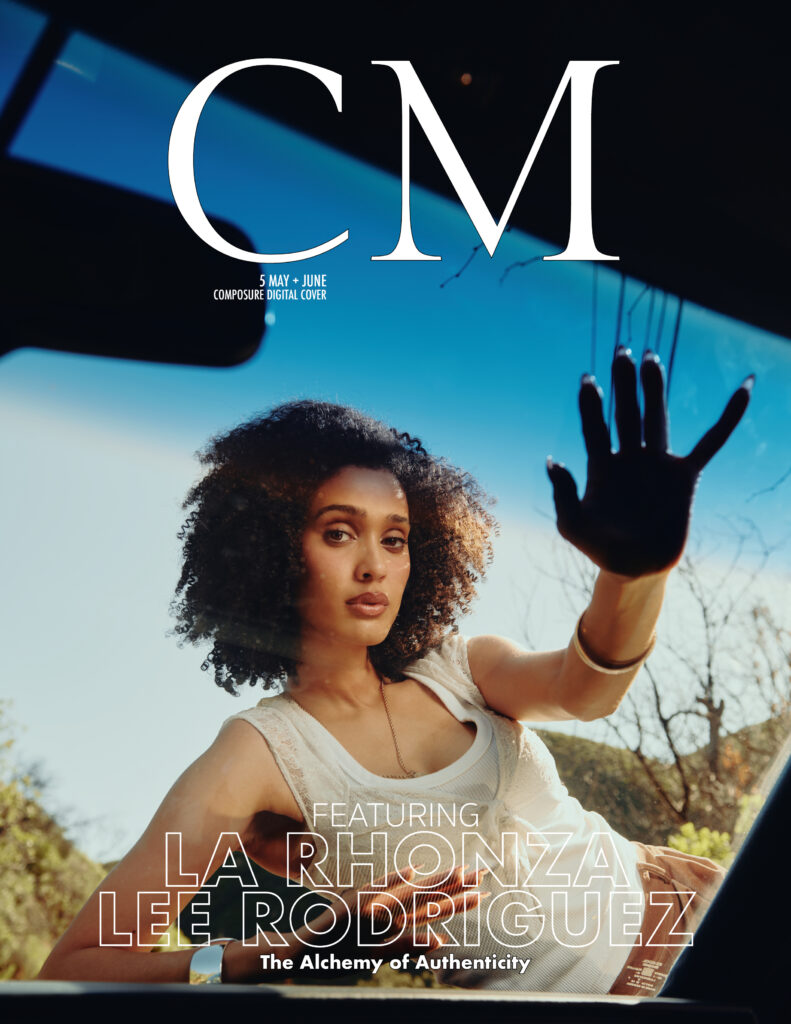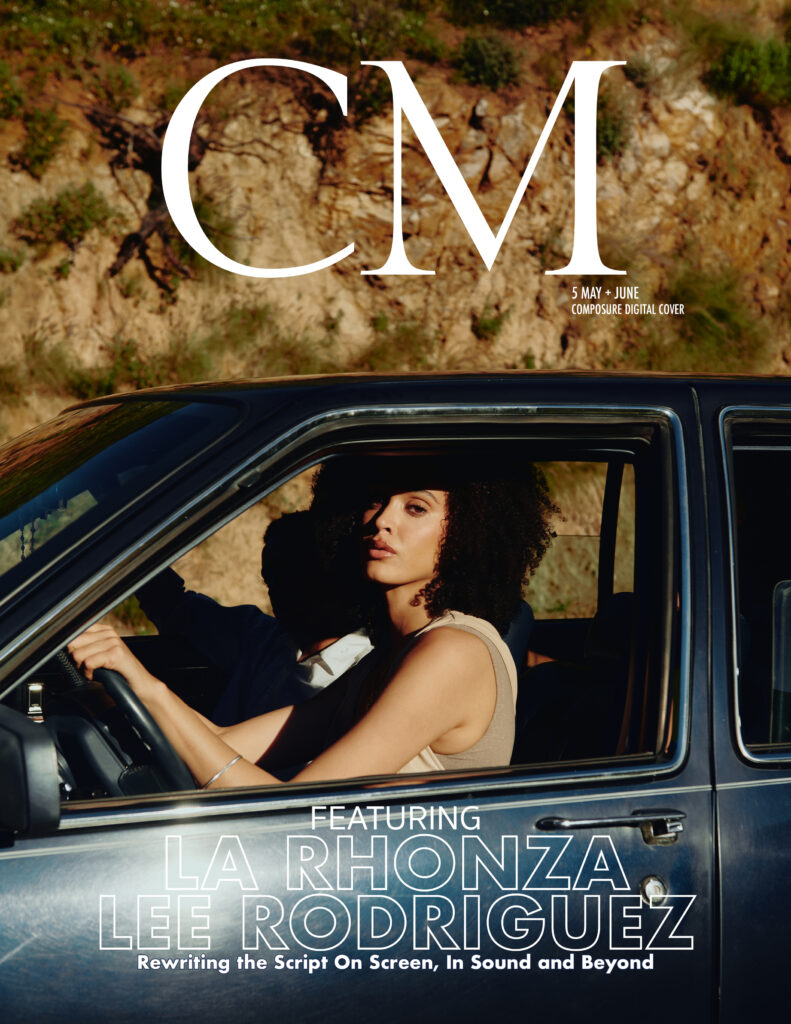
Featuring La Rhonza Lee Rodriguez
Photographer Rielle Oase @really_rielle
H/MUA Archangela Chelsea for TMG LA
Stylist Angel Angel Rovelo
Stylist Assistant Mikhail
Model Jackson “JT” Randle
Model Brandon “Tommy” Burrell
Model Pluto Kenney
Car owner Dale Samson
Car handler Ted Menné Heron
Photo assistant Amirza Indradjaya
Photo assistant Zak Scherbak
The Alchemy of Authenticity: How La Rhonza Lee Rodriguez Is Rewriting the Script On Screen, In Sound and Beyond
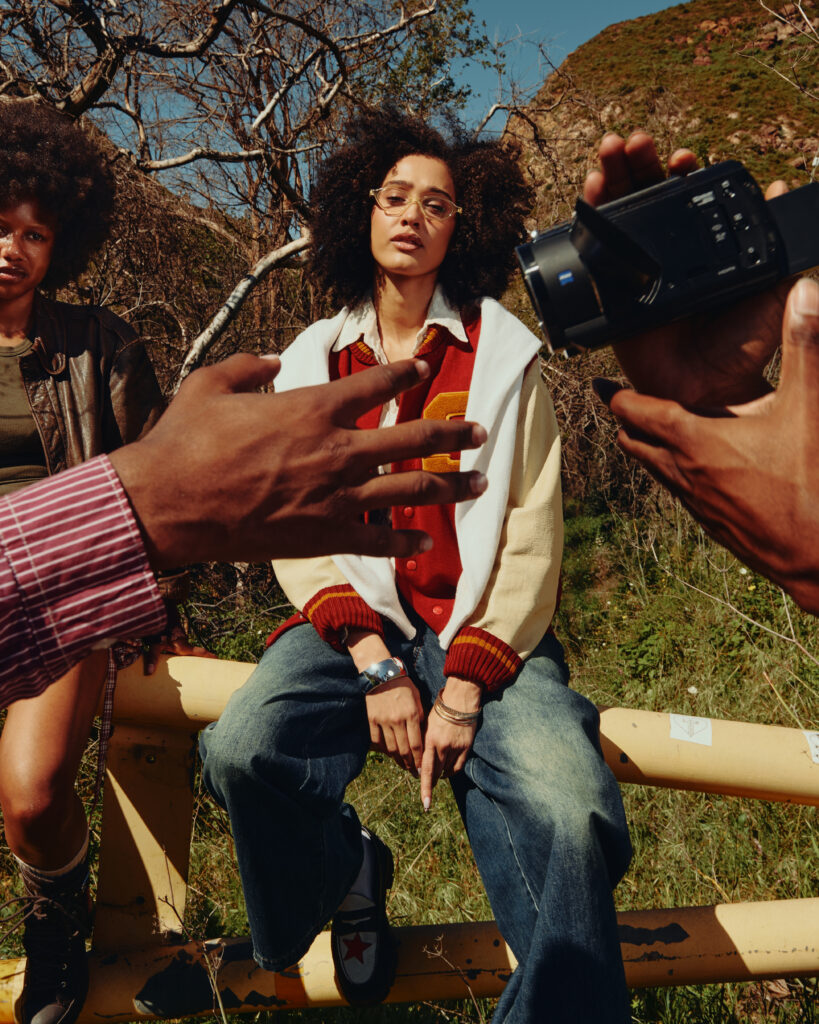
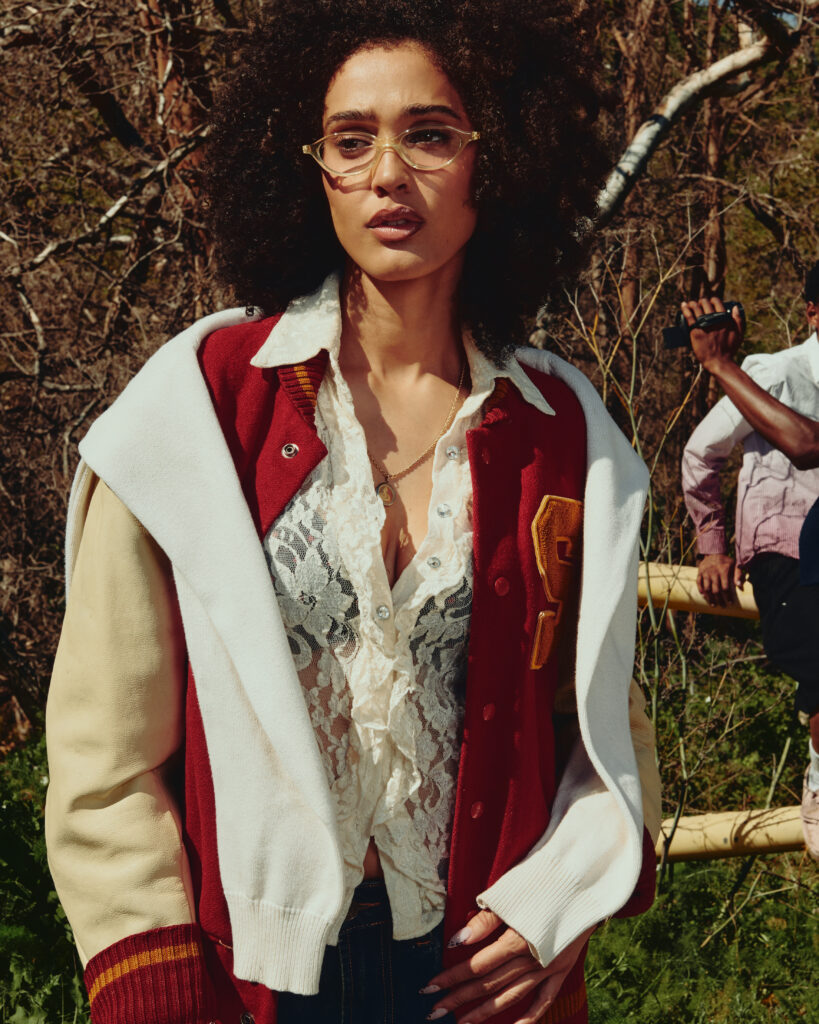
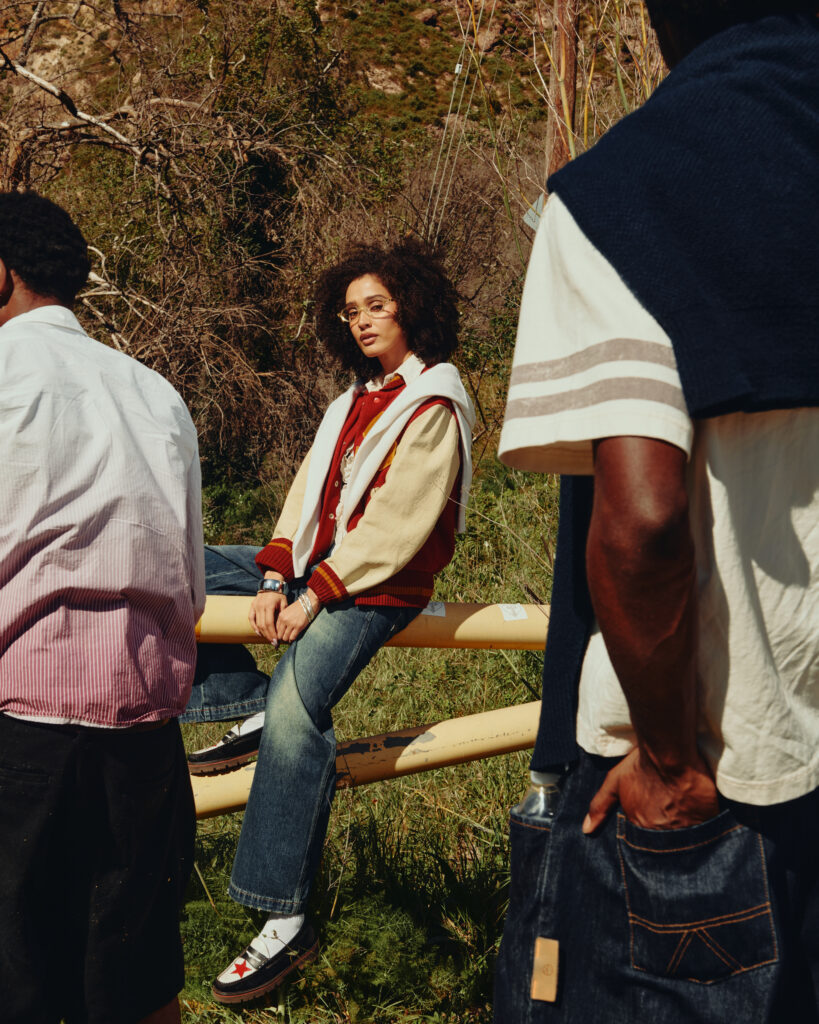
Something is shifting in Hollywood, though you won’t catch it in the obvious places. It’s not in the noise, nor in the race for visibility; it lives somewhere more internal, in the way certain artists begin to take ownership of how they are seen and how they choose to be understood. La Rhonza Lee Rodriguez occupies a compelling in-between space: one foot in the cultural phenomenon that was Never Have I Ever, the other stepping into the more intimate, and arguably more revealing, terrain of music.
Rodriguez first entered the public consciousness as Fabiola Torres, the robotics-loving, sexuality-questioning teenager whose arc profoundly expanded the lexicon of representation for young women of color. Yet, reducing her to a “breakout role” would miss the more interesting narrative now opening: that of an artist intent on reclaiming authorship. Because if acting, by its nature, is an act of interpretation, then music, particularly the kind Rodriguez is gravitating toward, is an act of exposure.
There is, in her trajectory, a refusal of excess. No over-curated persona, no performative declarations. Instead, something rarer: a measured, thoughtful articulation of self, evolving in real time. This tension, between visibility and interiority, between industry expectation and personal truth, makes Rodriguez absolutely resonant.
What follows felt like a real mapping of that evolution.
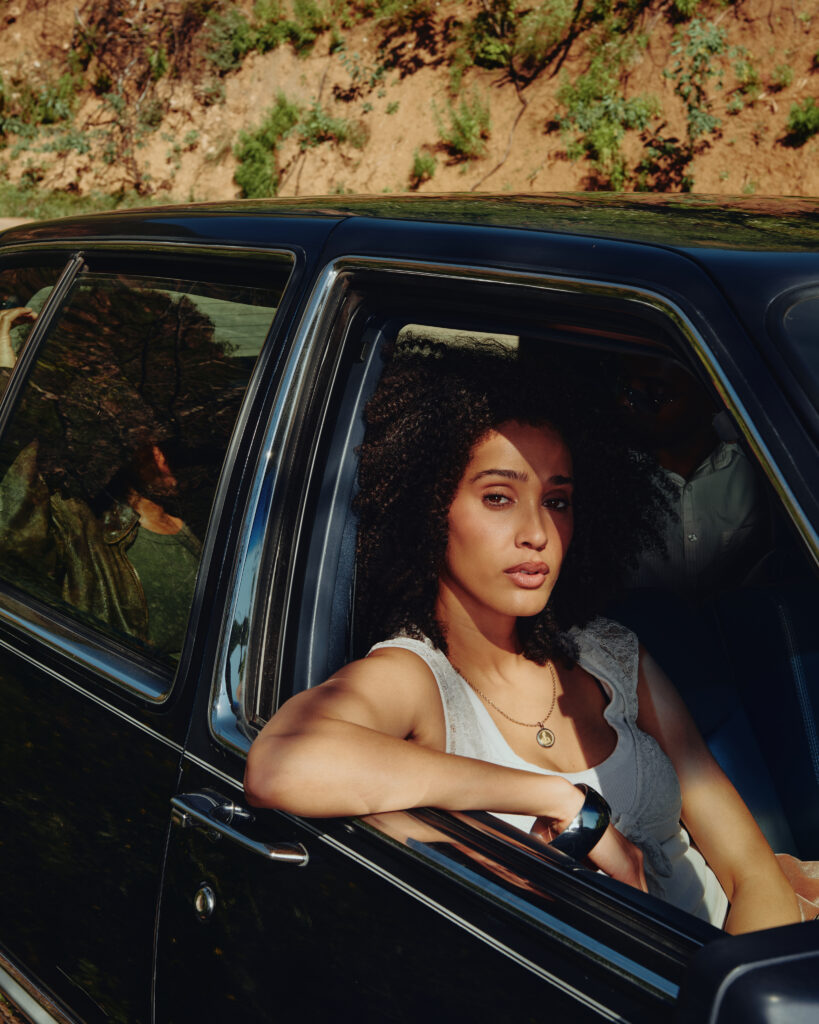
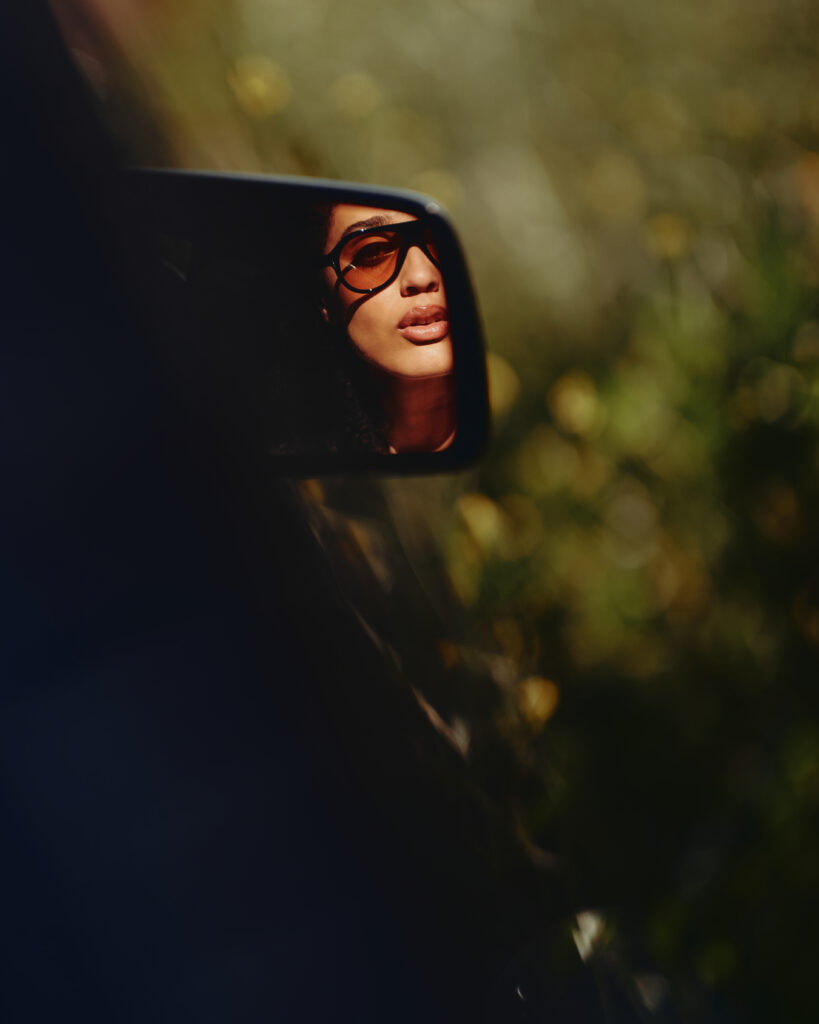
CM: From your breakout role as Fabiola in Never Have I Ever to your burgeoning music career, how has navigating the spotlight shaped your personal narrative and artistic expression?
LR: It’s given me the opportunity to tell my own stories through music, and to really learn how to show up as myself. Being authentic—especially creatively—is important to me, and it’s been a beautiful process discovering what that actually looks like in real time.
Your portrayal of Fabiola broke ground for LGBTQ+ representation, particularly for young women of color. What responsibility do you feel, if any, in being a role model, and how do you approach that with grace and honesty?
I don’t necessarily see it as a responsibility—it feels more like an extension of just being myself. I’m proud to have been part of something so diverse, where I got to play a role that not only made me feel seen, but allowed so many others to see themselves too. I’m incredibly grateful for that, and I hope to continue stepping into roles that create that same kind of connection.
Never Have I Ever became a cultural phenomenon, celebrated for its diverse cast and relatable storytelling. What was the most significant lesson you learned about yourself during your time on the show?
I learned how important it is—for me, and for so many people of color—to be part of diverse sets and to tell diverse stories. That experience really inspired me to start telling my own stories as well.
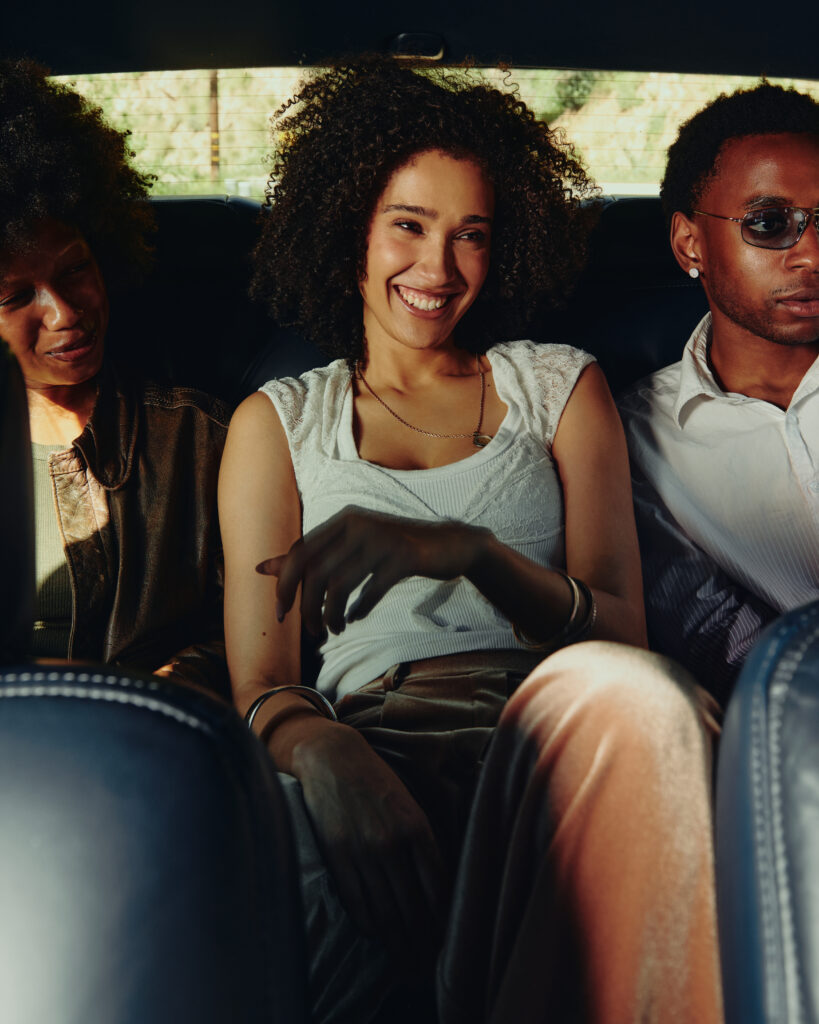
Beyond the screen, your personal style is often lauded for its unique blend of edgy and chic. How would you describe your fashion philosophy, and what pieces or designers are currently inspiring your wardrobe?
My fashion philosophy is pretty simple: I try to invest in pieces I know I’ll wear again and again. I don’t place too much value on clothing itself—I want to look and feel good, of course—but what matters more to me is being mindful and not wasteful. I’ve been working on reducing my carbon footprint when it comes to fashion—shopping more at thrift stores, donating or reselling clothes I no longer wear, and choosing more natural fabrics like cotton. I’m not perfect, but it’s a process that’s important to me, and one small way I can contribute to the longevity of our planet.
As an Afro-Latina woman in Hollywood, you’ve spoken about the importance of embracing your heritage. How does your cultural background influence your creative choices, both in acting and in your music?
For me, it’s about showing up in spaces where you don’t always see people like me—but also fully embracing and celebrating the spaces where you do. There are so many Latinos in the TV and film industry who aren’t getting the opportunities they deserve, and it has nothing to do with a lack of talent or passion. We’re here—we’re just often missing the funding and support. So I feel like the solution, in part, is to show up fully whenever we do get those opportunities, to represent, uplift each other, and create more space for Latino voices to be recognized. It’s something I’ve become more aware of over time, and I want to be part of that change in any way I can.
We’ve seen glimpses of your musical talent, and now you’re releasing original music. How does the vulnerability of songwriting compare to embodying a character, and what stories are you eager to tell through your songs?
It’s different, but also similar in a lot of ways. With acting, I’m stepping into a character and telling a story that isn’t mine—but I still draw from my own experiences to bring that character to life.
With music, it’s fully my story—whatever I want to say, however I want to say it. That freedom is really special.
Moving forward, I’d love to bring that same mindset I have with music into my acting—creating and telling stories that come from me, whether that’s through writing or developing my own projects. But that’s something I’ll explore more in time. Right now, I’m really focused on growing in music.
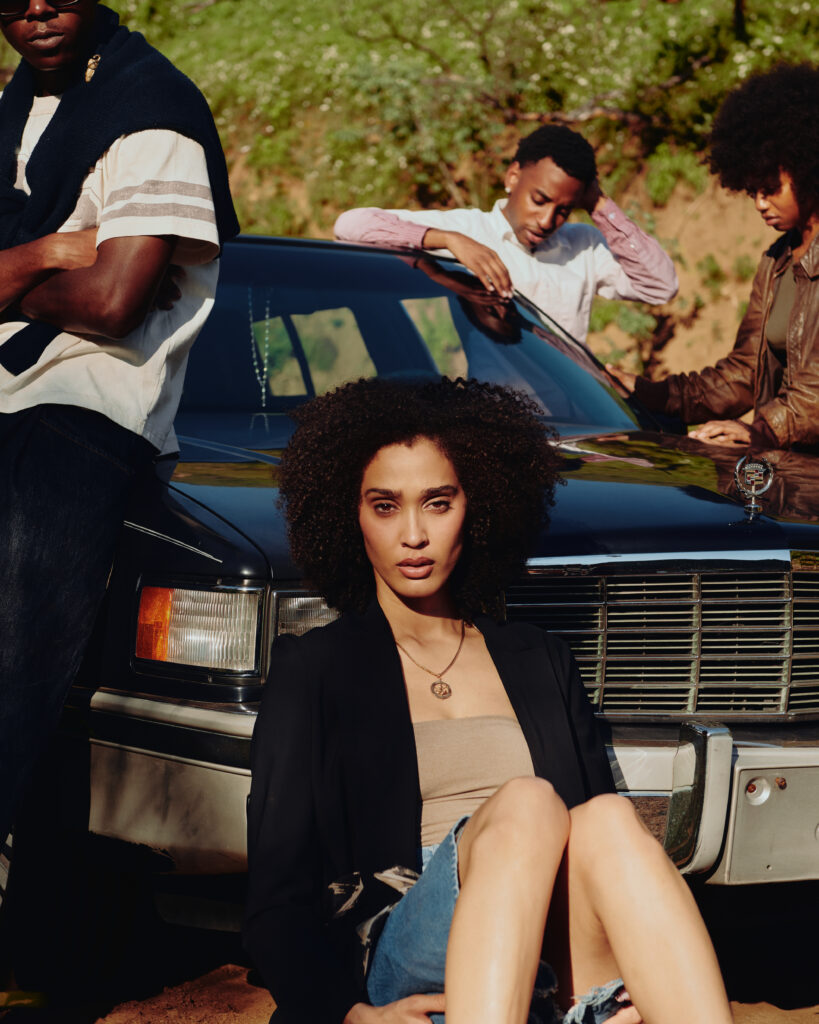
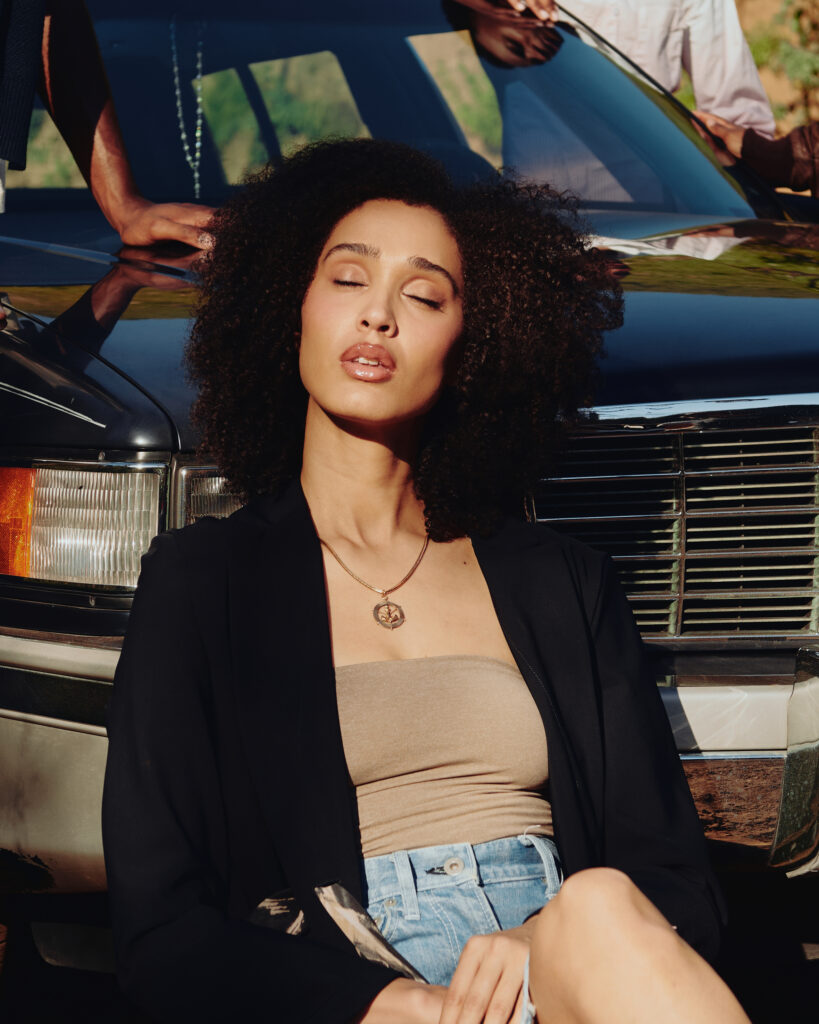
The entertainment industry is constantly evolving. What changes do you hope to see for diverse voices and narratives in the coming years, and how do you envision contributing to that shift?
I hope to see more diverse stories not only being told, but being supported in a real way—with bigger budgets, stronger backing, and wider reach. And I hope to be part of telling those stories.
When you’re not on set or in the studio, how do you find moments of balance and inspiration? Are there any rituals or practices that keep you grounded amidst the whirlwind of your career?
I go back home to Victorville. I know when people hear “Victorville,” the usual response is, “What is there even to do there?”—which is fair. Not much. But growing up there taught me how to be still and patient. I actually made the majority of my EP out there, in my friend David’s studio.
To me, there’s a lot you can do if you’re willing to get creative.
Being with my family also grounds me more than anything. And giving myself space—from everything and everyone—to focus on my physical and mental well-being is really necessary. It allows me to reset and come back to my work feeling present and rejuvenated.
If you could collaborate with any artist on a fashion campaign or a musical project, who would it be and why?
I don’t follow fashion designers too closely, but there’s a brand called CHNG that I’d love to collaborate with. I’ve been following them for years—I really admire what they stand for and how they show up for underrepresented communities.
Musically, the list goes on, but lately I’ve been listening to a lot of Lexa Gates. She’s such a unique and special artist—I’d love to write with her one day.
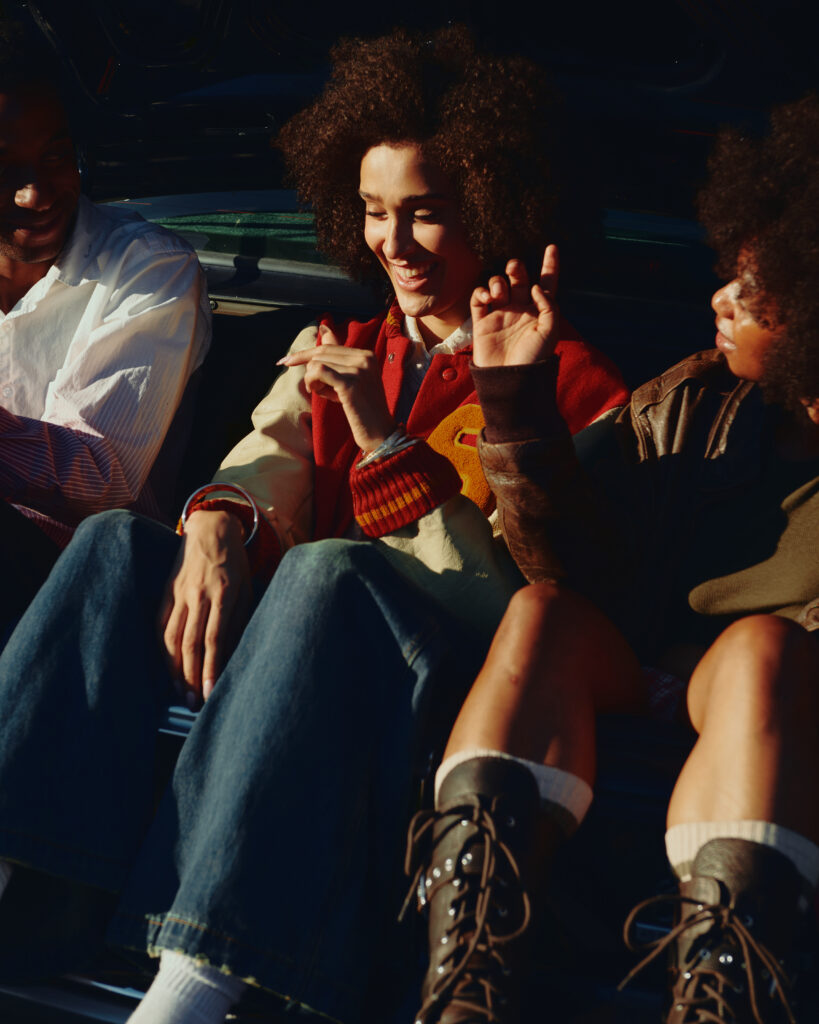
Looking ahead, what are your aspirations for the next chapter of your career? Are there particular genres you’d like to explore or causes you’re passionate about championing?
I feel like I’ve started to find my lane, and now I just want to keep honing my craft and growing.
I’m really drawn to jazz, neo-soul, and Latin music, and I’m excited to see what comes out of blending those sounds. At the same time, I’m open—I want to challenge myself and explore new genres too. We’ll see where it goes.
Finally, for young women who look up to you, what message of empowerment and self-acceptance would you share as they navigate their own journeys?
Man… how much time do I have?I’d say: whatever that thing is that makes you you—hold onto it. Tap into it. Don’t lose it. Just be yourself.Not everyone deserves your energy, so pay attention to how people make you feel. If someone drains you, it’s okay to step away.Health is wealth—take care of yourself mentally and physically. Be kind to yourself. Take your time. Don’t spend all your time on your phone—it’s okay to be bored sometimes. Try to get at least eight hours of sleep.And love the people who love you. Spend time with them. That’s what really matters.
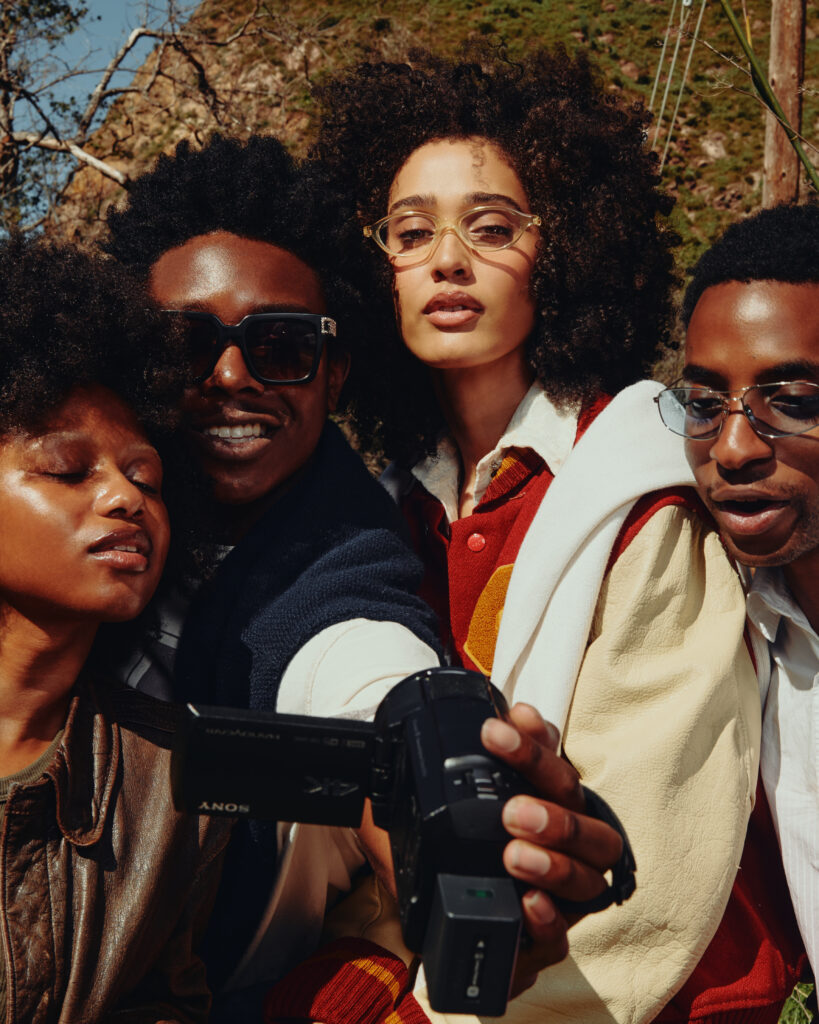
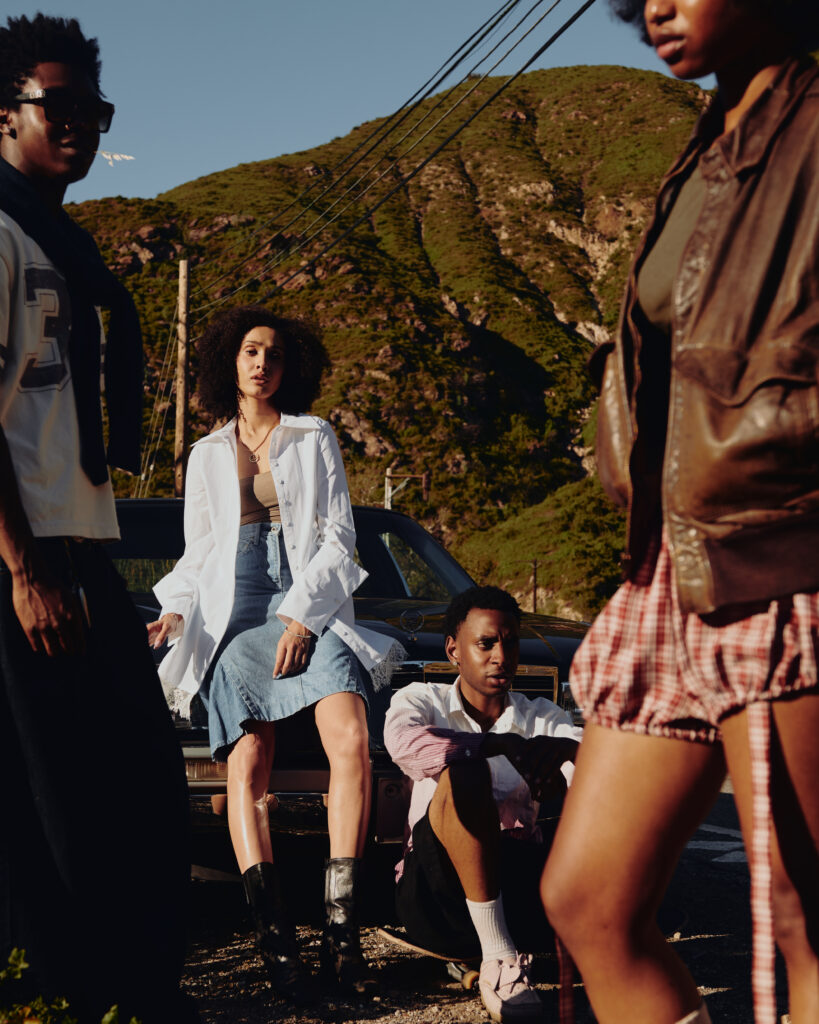
If there is a thread running through La Rhonza Lee Rodriguez’s story, it’s not about becoming someone new. It’s about getting closer to what was already there. While much around her pushes toward more—more visibility, more output, more noise, her instinct seems to move in the opposite direction: to take things back, to question, to return to something real.
And somewhere in that process, something opens up.