Story by Editor-in-Chief Carolina Ogliaro
Scroll through enough campaign season, and you start recognizing the formula before you recognize the clothes. The same six agencies. The same cheekbones, lit the same way, in front of the same three cities. A house’s most singular ideas, run through a casting process engineered to erase everything singular about the person wearing them. It works, technically. It’s also why almost nobody can describe a single campaign image a week after seeing it.

Marine Serre has just done something that makes that formula look, by comparison, a little tired: she cast her own staff.
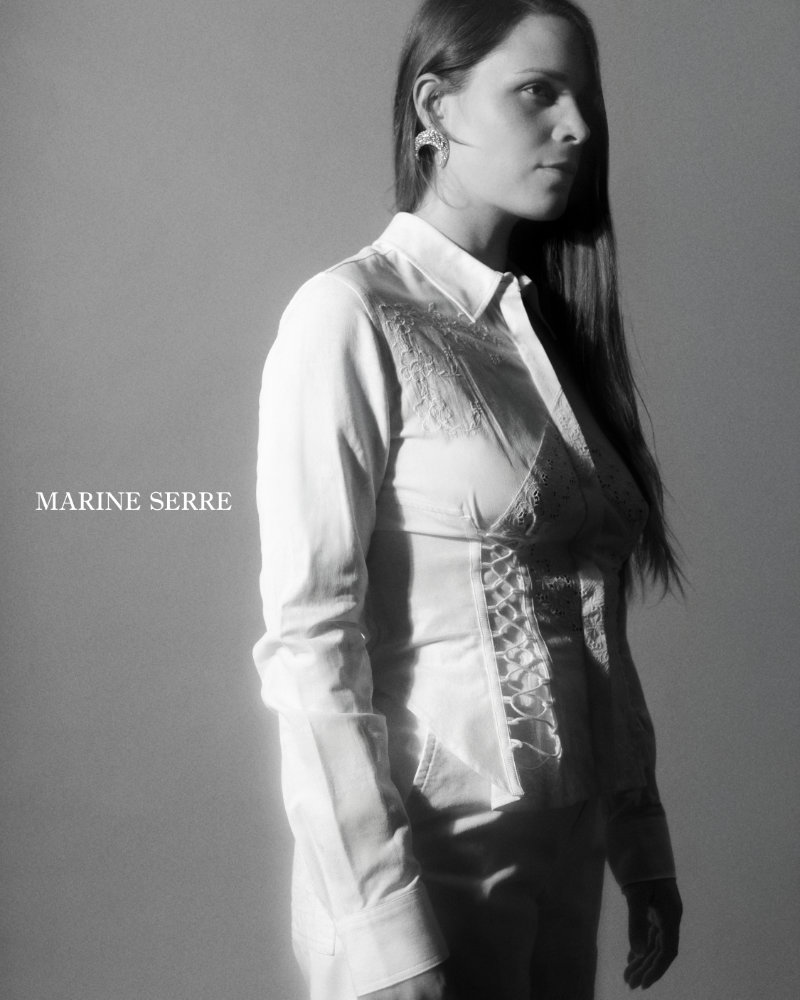
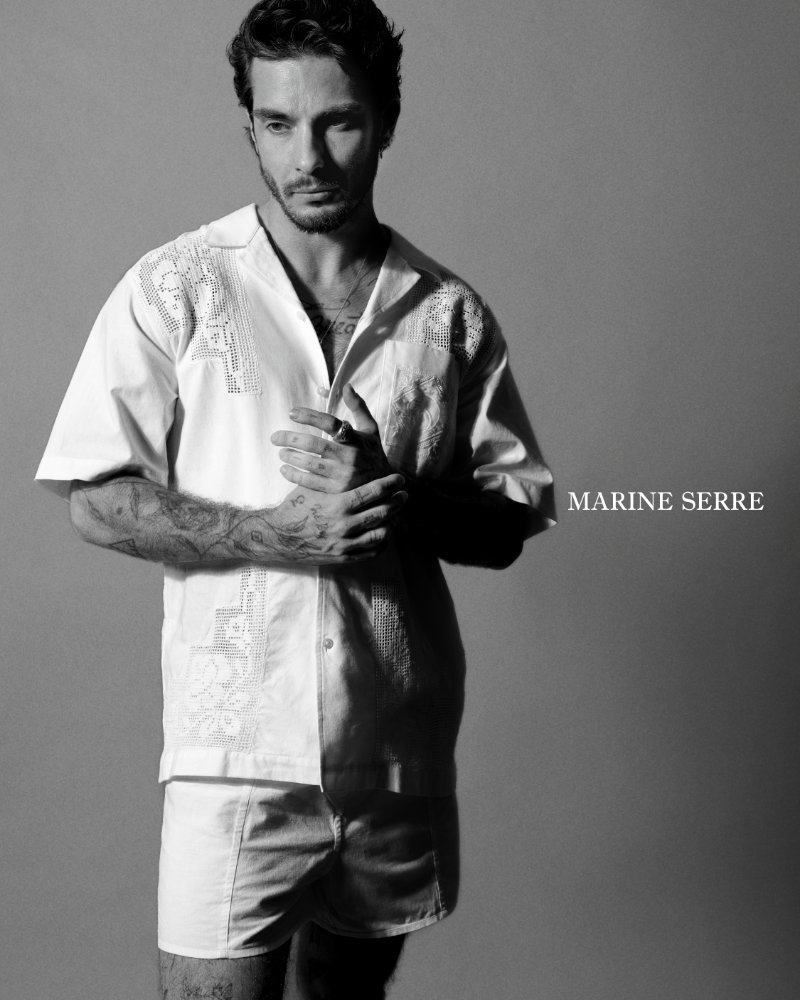
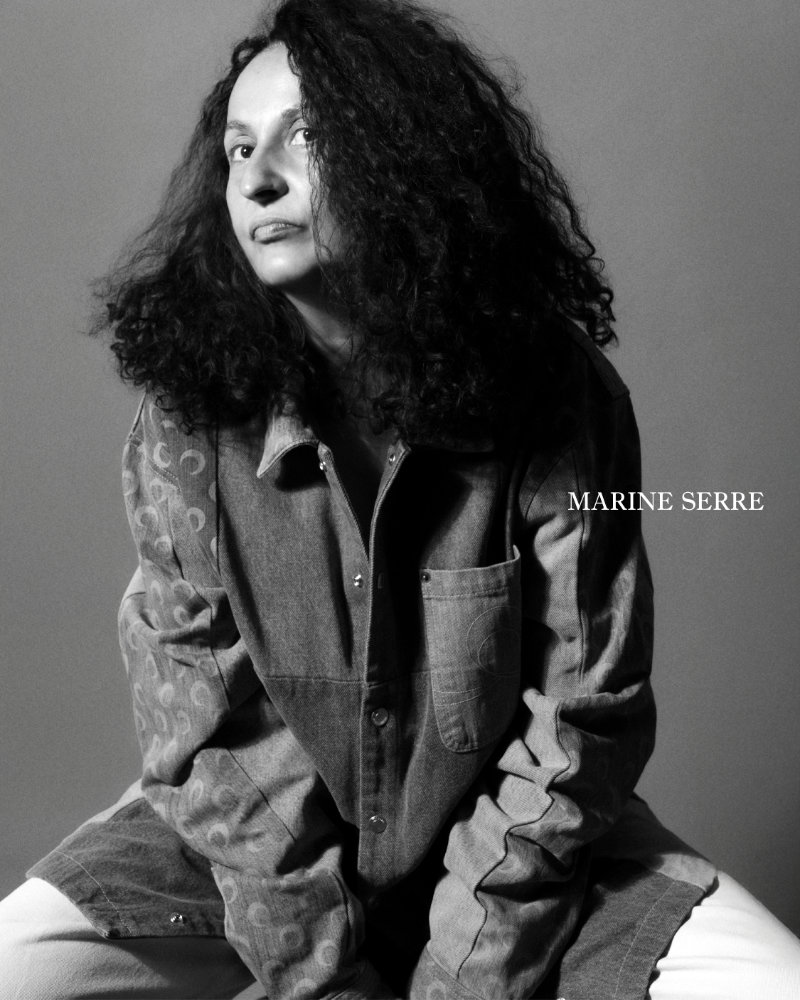
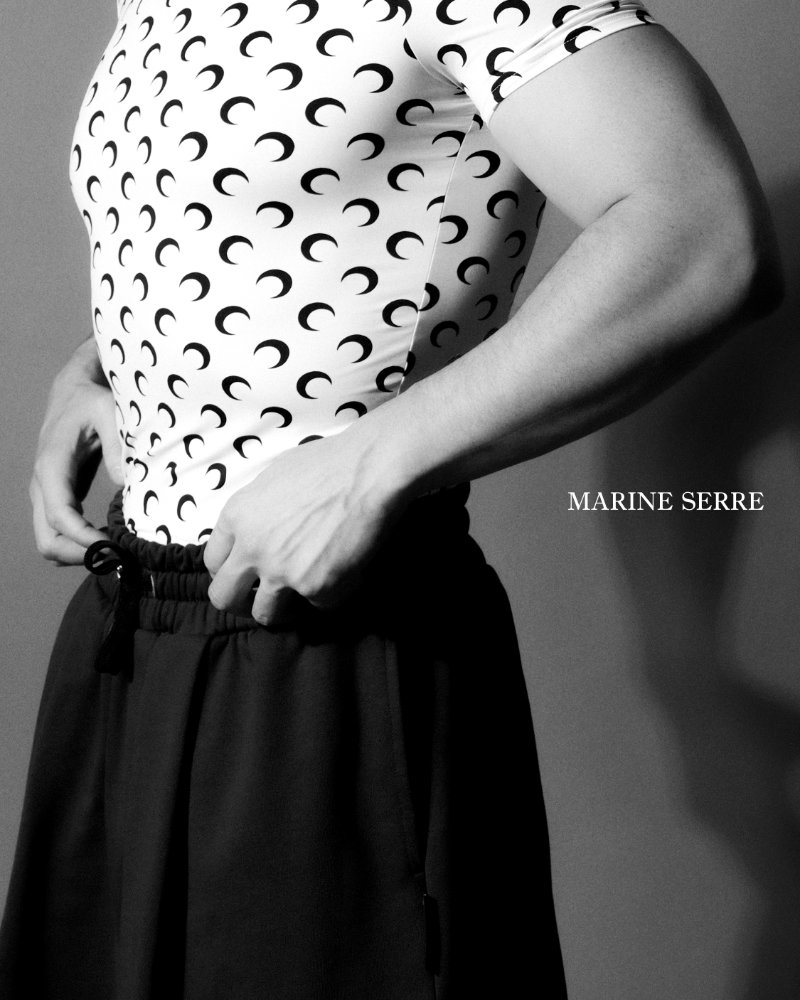
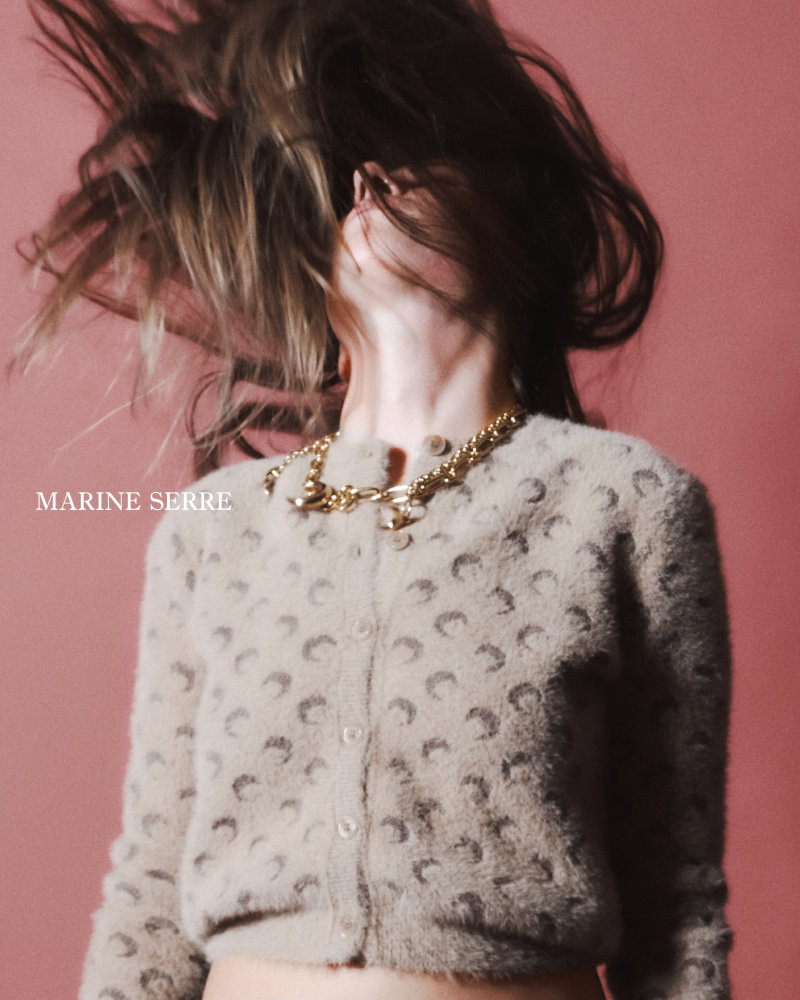
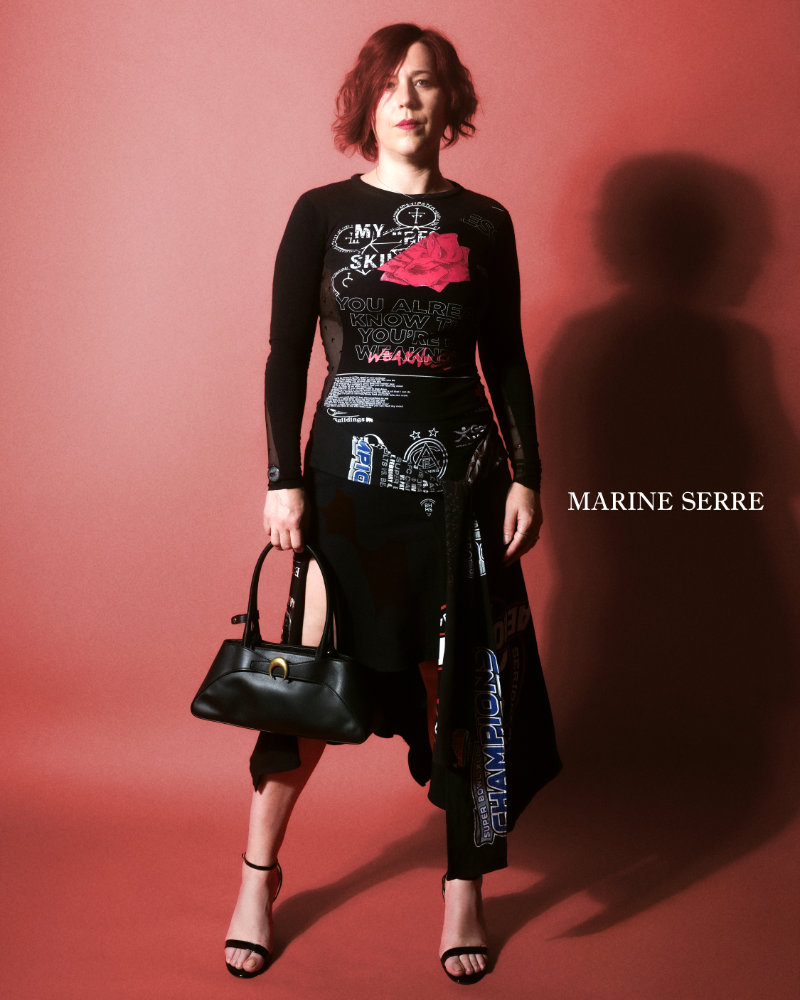
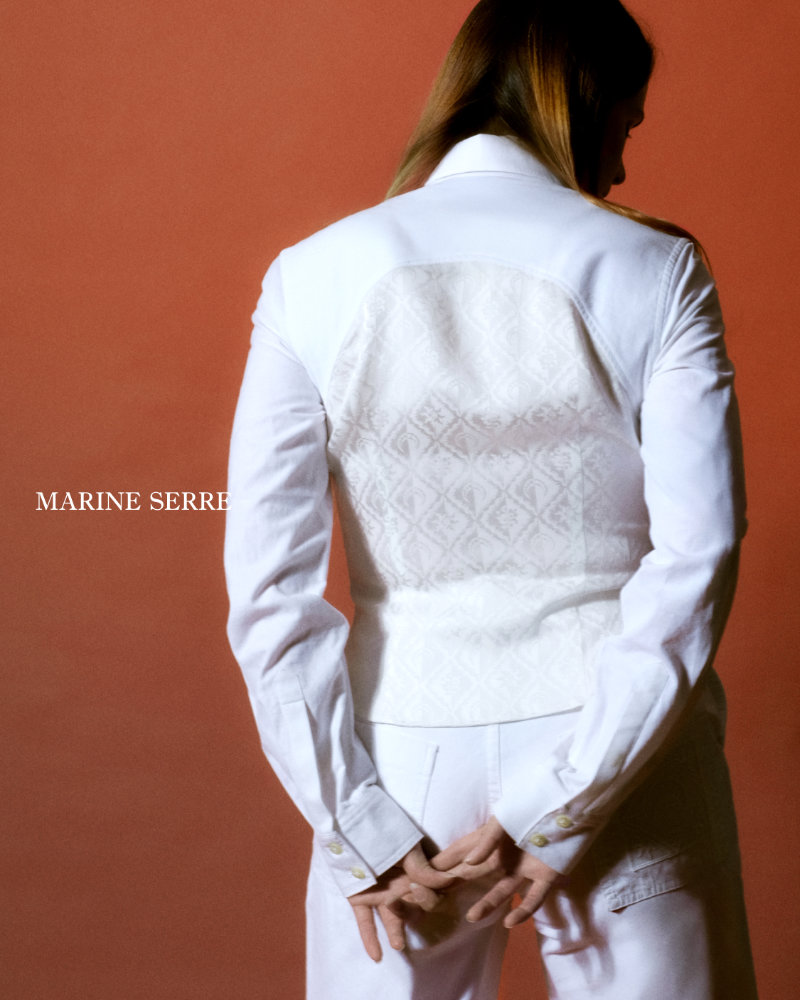
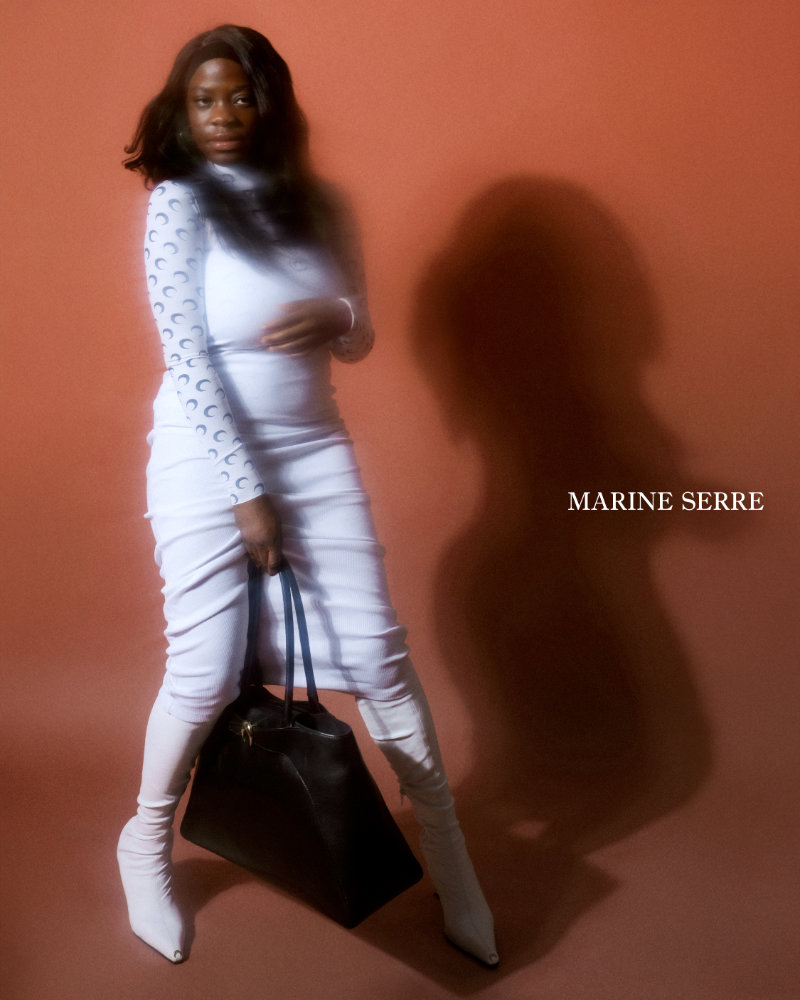
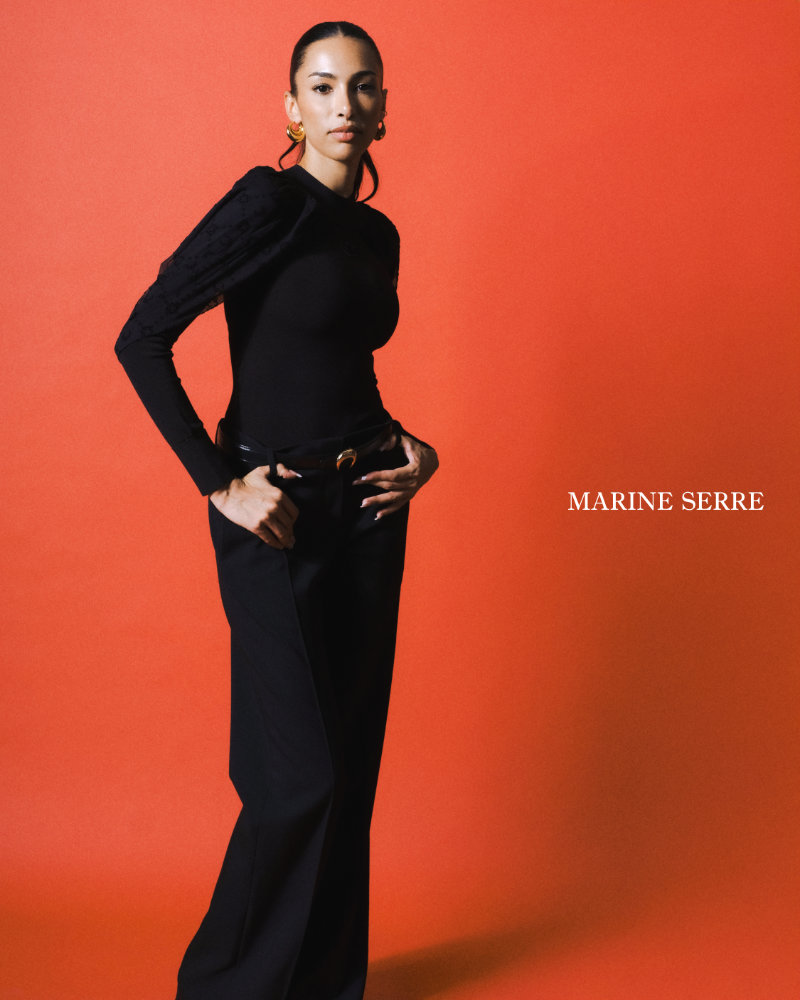
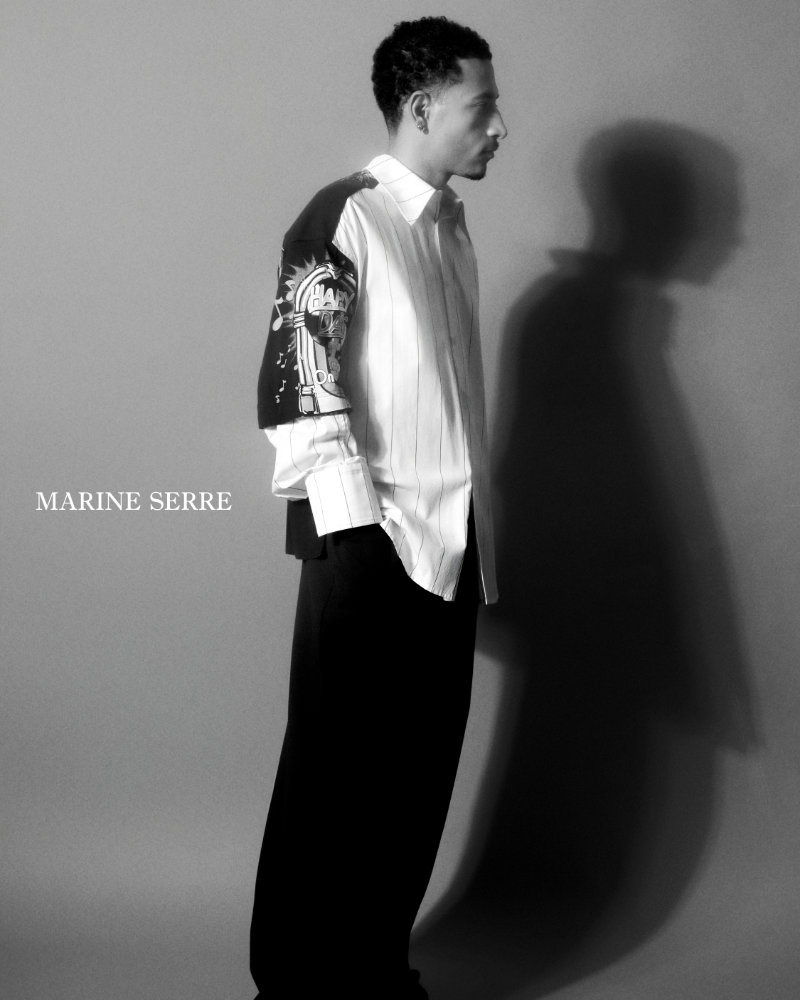
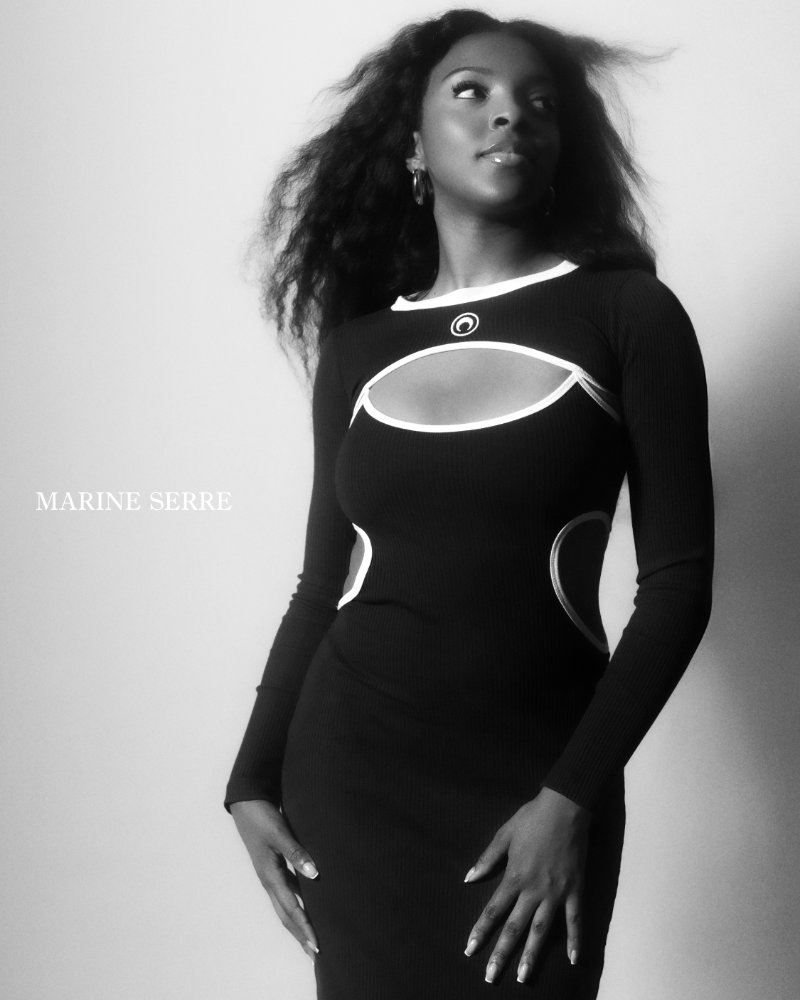
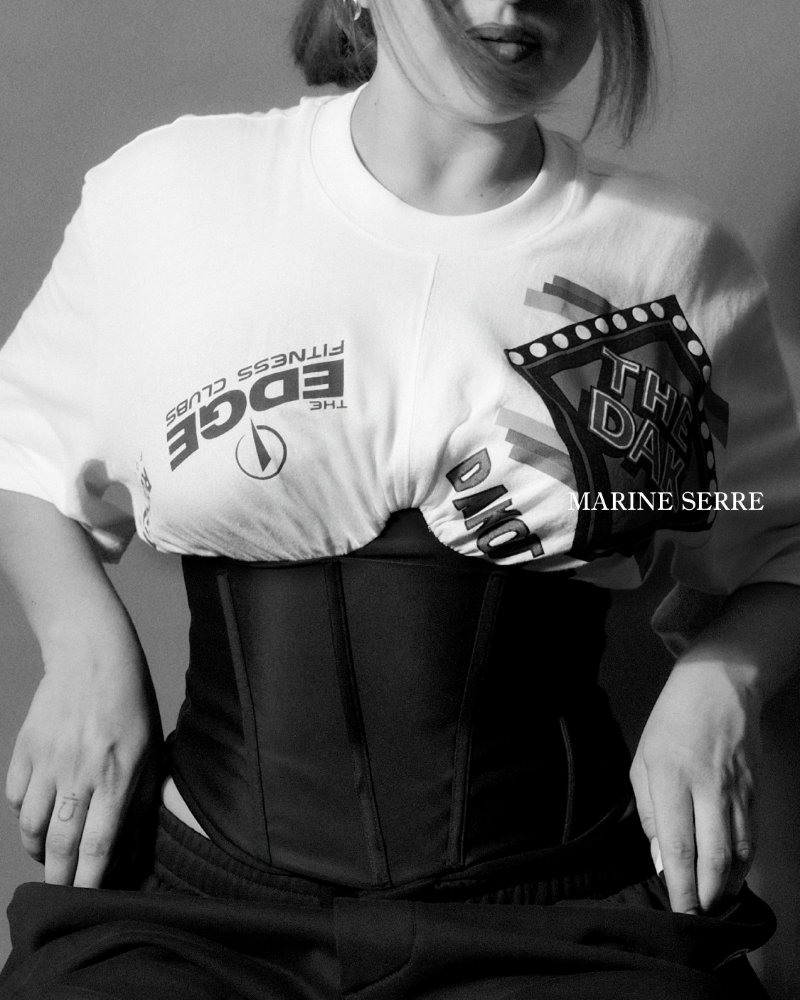
ARCHETYPE, the House’s newest campaign, puts pattern cutters, sales associates, studio assistants and design-team members in front of the camera not as an inclusivity gesture bolted onto a normal shoot but as the entire premise. Each employee selected, from the archive of the last eight years, the piece they felt the strongest pull toward: the crescent-moon catsuit that put Serre on the map after her 2017 LVMH Prize win, a sharply engineered blazer, a regenerated-denim silhouette stitched from deadstock nobody else wanted, one of the second-skin bodysuits that made her post-apocalyptic vision of femininity so instantly legible on a runway. Nobody was assigned a look. Everybody chose one. And the difference between those two verbs is, essentially, the entire argument of the campaign.
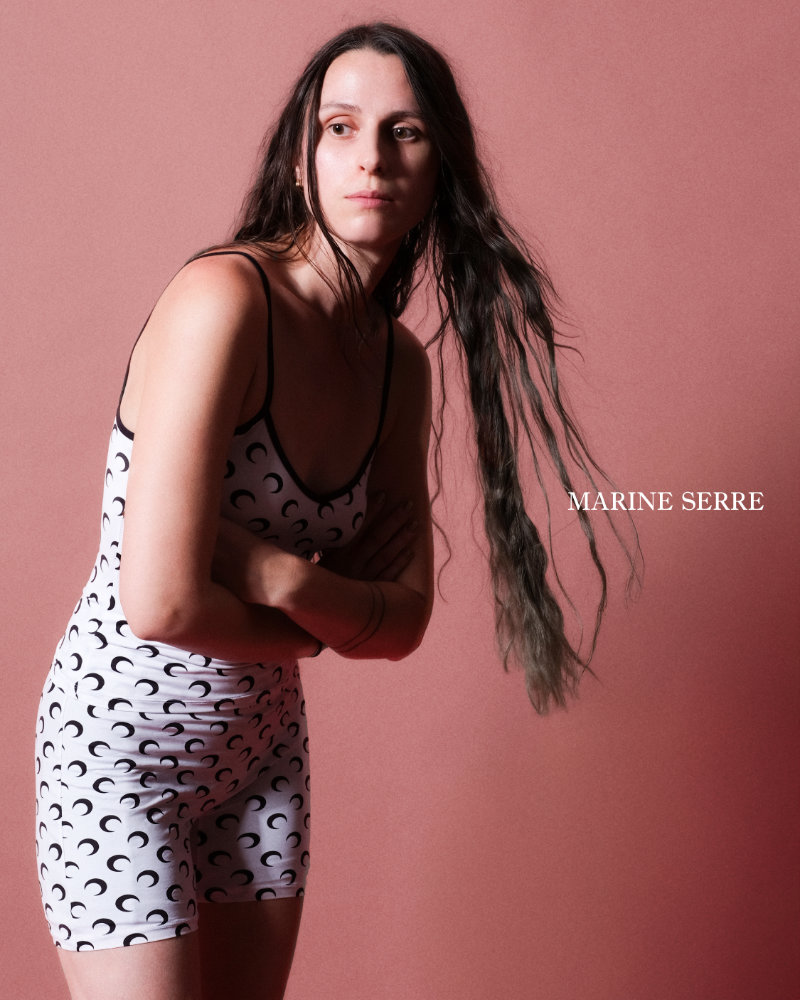
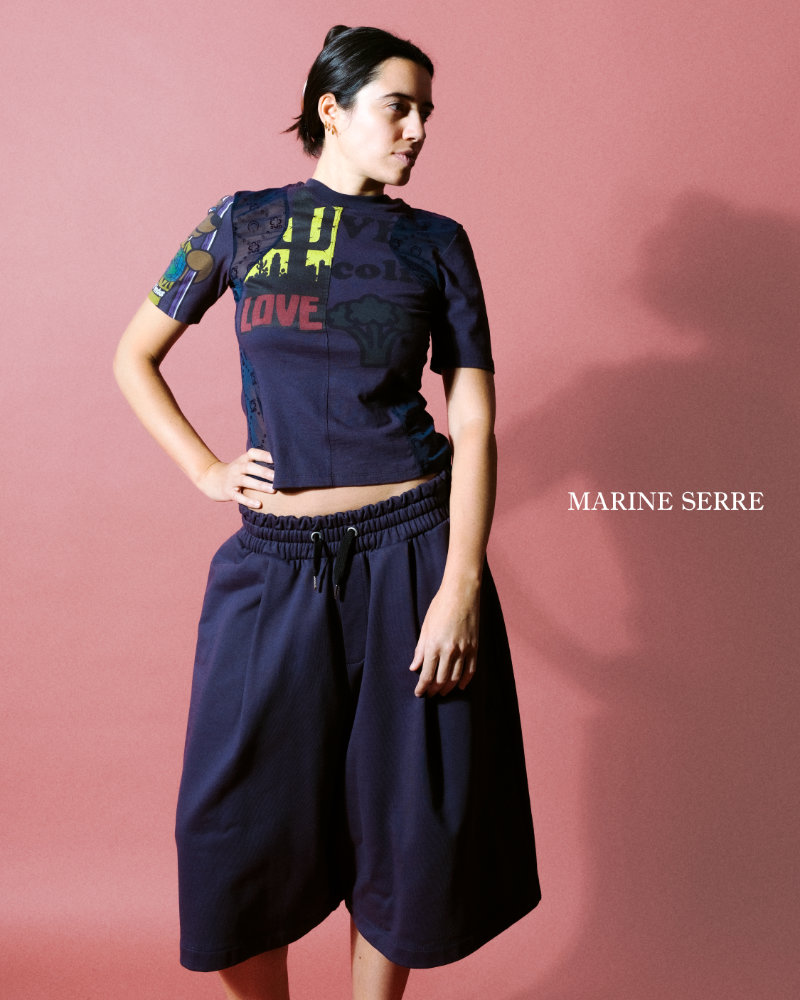
The Archive, Unglazed
Fashion loves the word “archive” the way luxury loves the word “heritage”, reverently, and usually from behind glass. Serre’s gesture here is to physically remove that glass. These are not archival pieces styled onto rented bodies for the afternoon; they’re being worn by the people who, in many cases, quite literally built them, cut the pattern, sewed the seam, restored the deadstock fabric into something wearable in the first place. A house’s codes read entirely differently on someone who has spent eight hours a day inside their construction than on someone encountering them for the first time under studio lights. You can see it in the images: not a performance of confidence, but the plain, unbothered ease of familiarity. Nobody in ARCHETYPE looks like they’re trying to convince you of anything. They already know.
That distinction matters more than it might first appear, because it goes to the actual philosophical center of what Marine Serre has been building since 2016, before the moon print, before the LVMH Prize, when she was still absorbing lessons from stints under Demna at Balenciaga, Raf Simons at Dior and Sarah Burton at Alexander McQueen. Her entire practice has been an argument against fashion’s obsession with the pristine and the singular: the insistence that roughly half of every collection be built from deadstock and regenerated material, the conviction that something discarded can be more valuable, not less, for having lived a previous life. ARCHETYPE simply extends that logic from fabric to casting. If a scrap of forgotten textile can be regenerated into something with new meaning, why not let the same be true of an image, recirculated not through a stranger but through someone who already has a relationship with it?
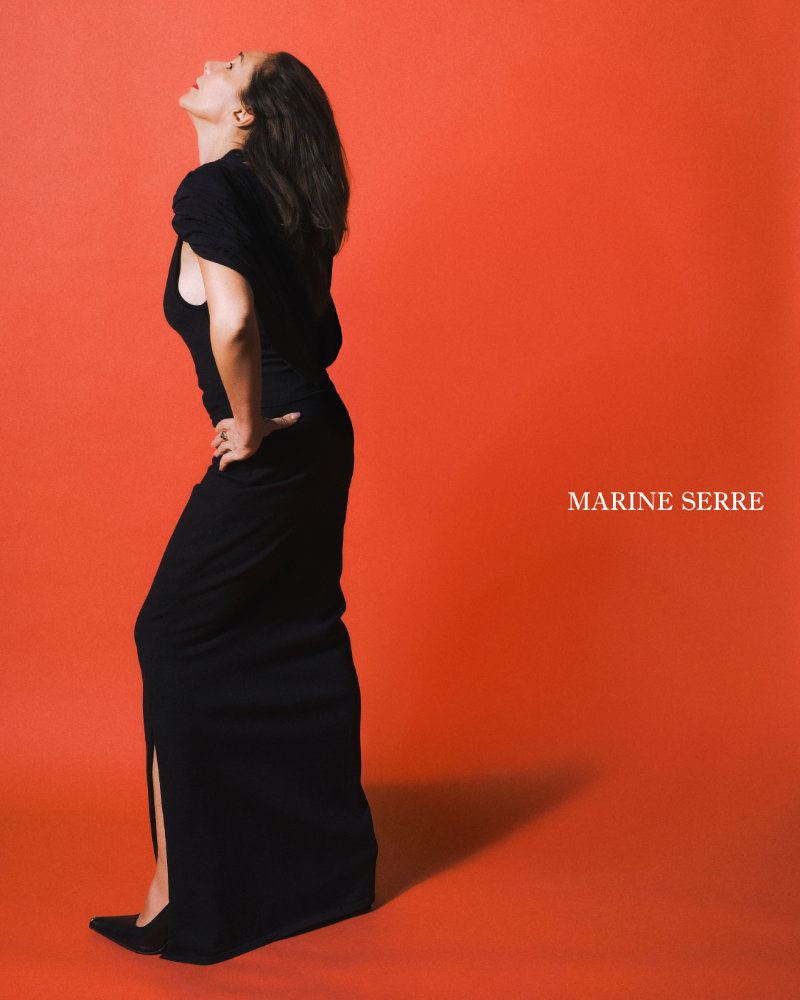
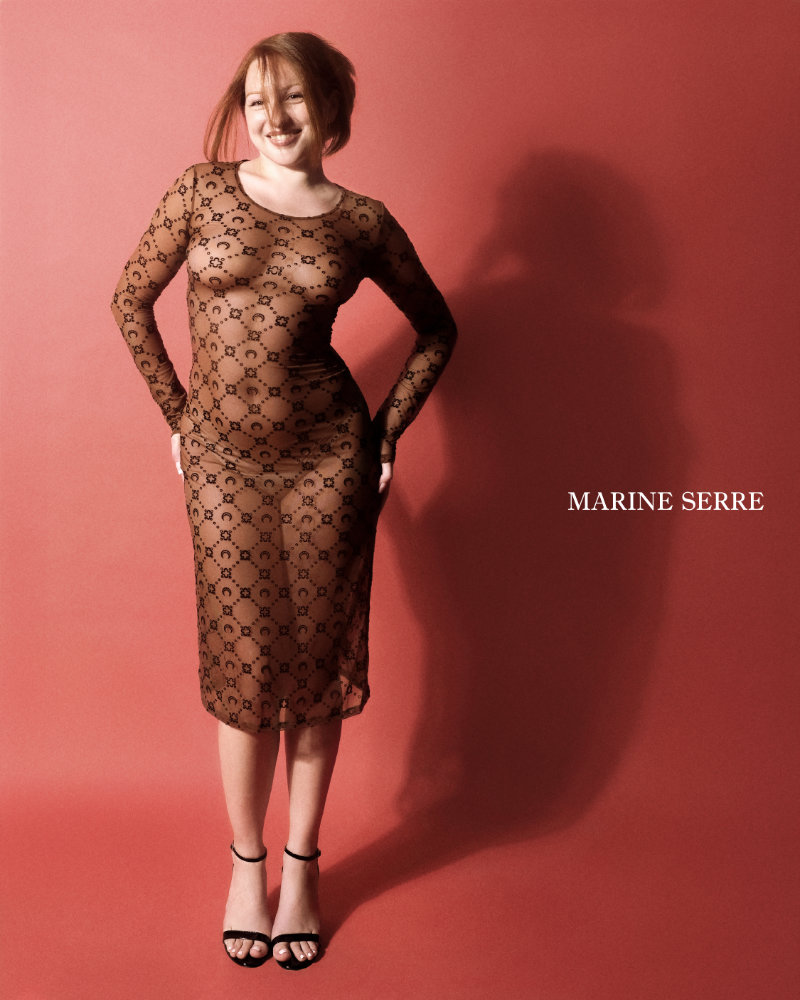
An Icon Reimagined as a Verb
The campaign’s most radical claim is buried in its own framing: the idea that an icon isn’t a fixed image at all but something “continuously reinterpreted.” That’s a genuinely unusual position for a fashion house to take about its own signatures; brands typically want their icons frozen, endlessly reproducible in exactly the same silhouette, precisely because repetition is what builds recognition. Serre is arguing the opposite: that the crescent moon, first stitched into a jersey top during the Radical Call for Love collection as a symbol pulled from both Islamic iconography and Greek lunar mythology, only stays alive as an icon if it keeps being re-inhabited by different bodies, different histories, different reasons for choosing it. An icon frozen in a display case is already halfway to being a relic. An icon worn by twenty different people for twenty different personal reasons is, definitionally, still in use.
The casting itself does real work toward that argument. The plurality on display-generations, body types, backgrounds, roles within the company, from studio floor to design table-isn’t a diversity mandate performed for a single campaign cycle. It’s simply what a genuinely functioning maison looks like once you point a camera at it honestly, rather than at the narrow band of bodies the industry has trained itself to photograph by default.
Why This Should Make Every House Nervous
There’s a reason this campaign will land harder than most: it’s very difficult to fake. Any house could, in theory, cast its own staff for a season, but the exercise only produces images this alive if the relationship between the people and the clothes was already real to begin with. You cannot art-direct genuine ownership. Either the pattern cutter actually reaches for that catsuit because it means something to her, or the whole thing collapses into a slightly more diverse version of the same old performance. What ARCHETYPE is transmitting is not a casting theory but a company culture, made visible by the accident of good photography.
Marine Serre has spent nine years arguing that nothing should be thrown away if it can be given a second, truer life. With ARCHETYPE, she’s simply pointed that same conviction at her own company and found, unsurprisingly, that it holds. The archetype, as the campaign’s own closing line insists, was never one silhouette or one body. It was always the people. The clothes were just how you could finally see them.