Photography by Emilynn Rose
With Adorable Afghan Hound Rupurt
Styling by Maren Taylor for The Only
Makeup by Archangela Chelsea for TMG LA using Armani Beauty
Hair by Matilde Campos using Roz Hair and T3 Micro
Retouching by Nurzaman Nur
Production by CM Agency
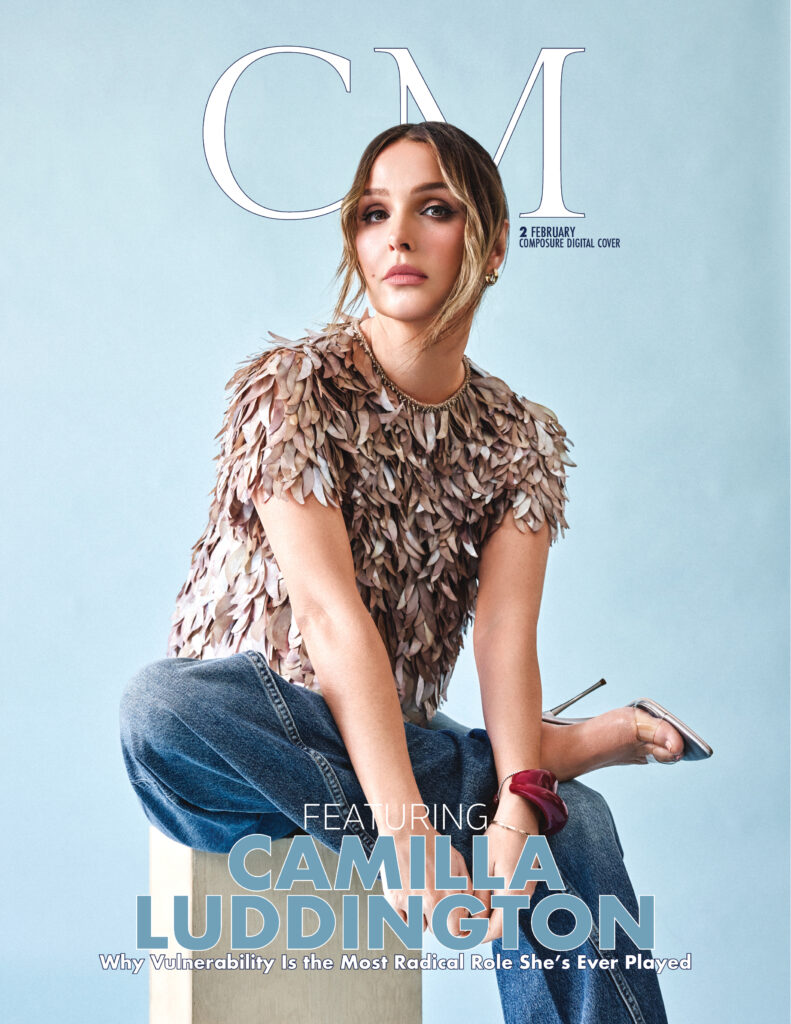
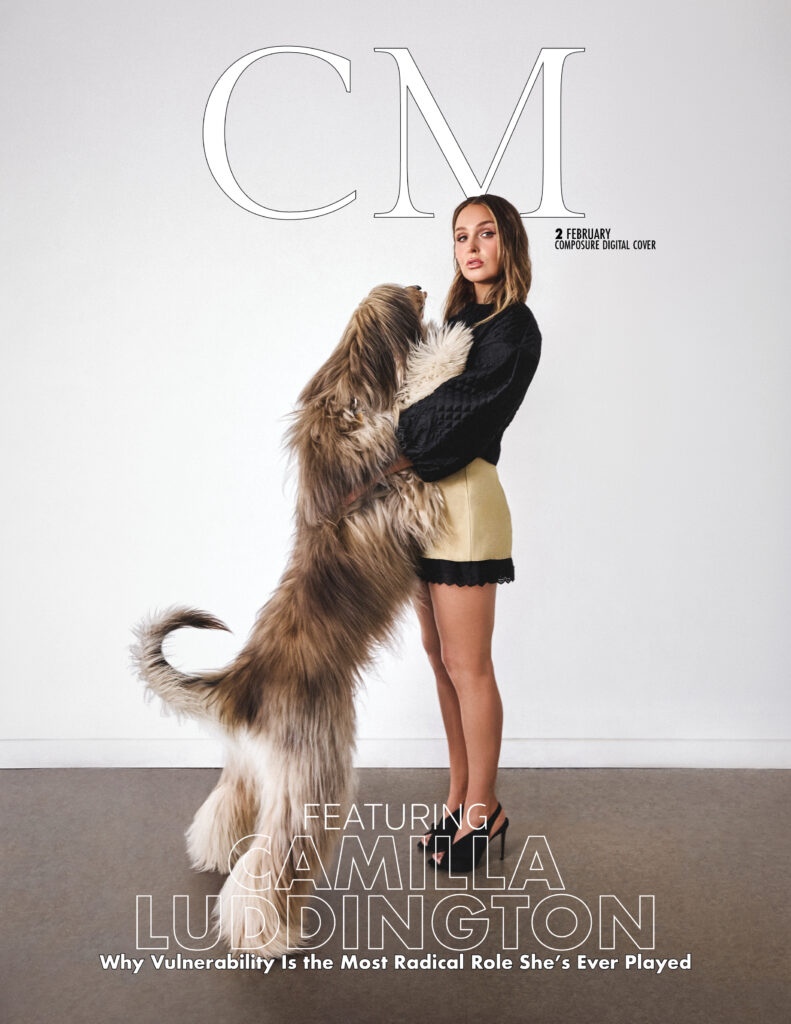
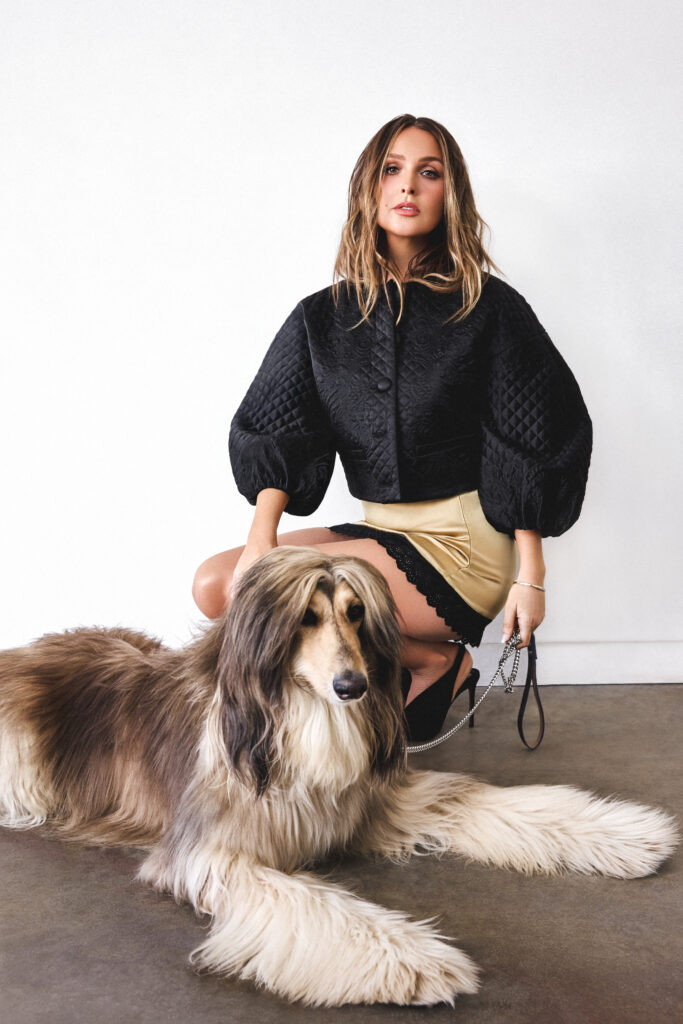
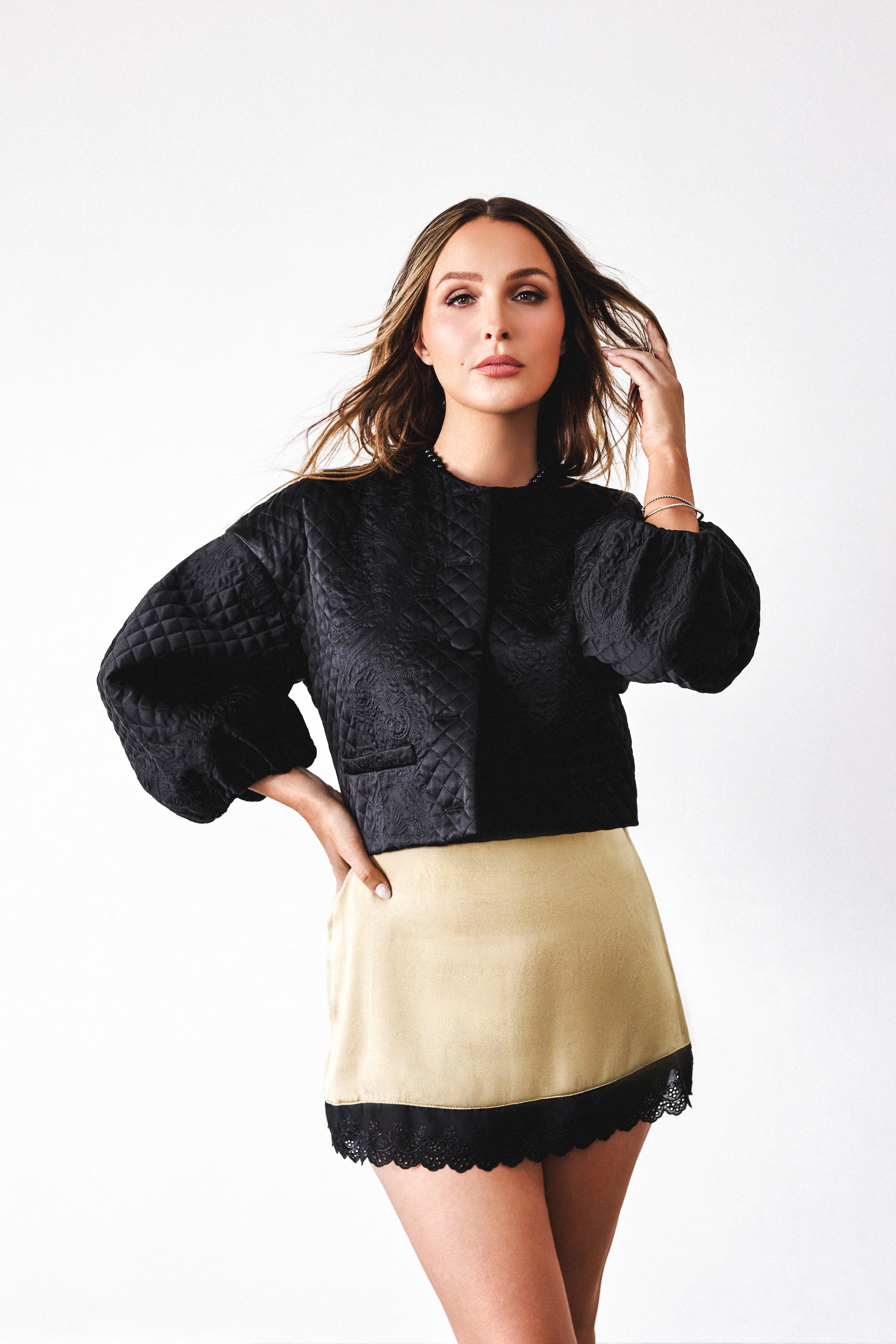
Camilla is wearing: Top by Pat Bo, Jeans by Anine Bing, Heels by Femme, and Bracelet by Julietta
Why Vulnerability Is the Most Radical Role She’s Ever Played
For more than a decade, Camilla Luddington has inhabited the emotional architecture of Grey’s Anatomy, a series that long ago transcended television to become something closer to cultural shorthand. As Dr. Jo Wilson, Luddington has navigated trauma, survival, love, and repair with a delicate intensity that resists spectacle. Her performance has unfolded over time with uncommon narrative intelligence, shaped by emotional continuity and a deep understanding of character evolution.
Yet to reduce Luddington to a single role would miss the point entirely. Her career has gone across mediums and registers: from British television to American network drama, from early appearances in series like True Blood and Californication, to portraying Catherine “Kate” Middleton in William & Kate, to shaping globally recognized characters through voice and performance capture as Lara Croft in the Tomb Raider video games and Zatanna within the DC Animated Movie Universe. Each shift reflects an actress attentive to craft, to how the story is carried through the body, shaped by voice, and articulated through imagination.
Off-screen, Luddington speaks with the same transparency she brings to her work. She is candid about motherhood as a recalibration, about health as something that demands boundaries rather than apologies, and about creativity as a living organism… a one that evolves, sheds, and reforms. What emerges instead is a commitment to truth, approached with intention.
In this conversation, Luddington reflects on vulnerability as a discipline, resilience as a choice, and why staying open, in life and in art, may be the most courageous act of all.
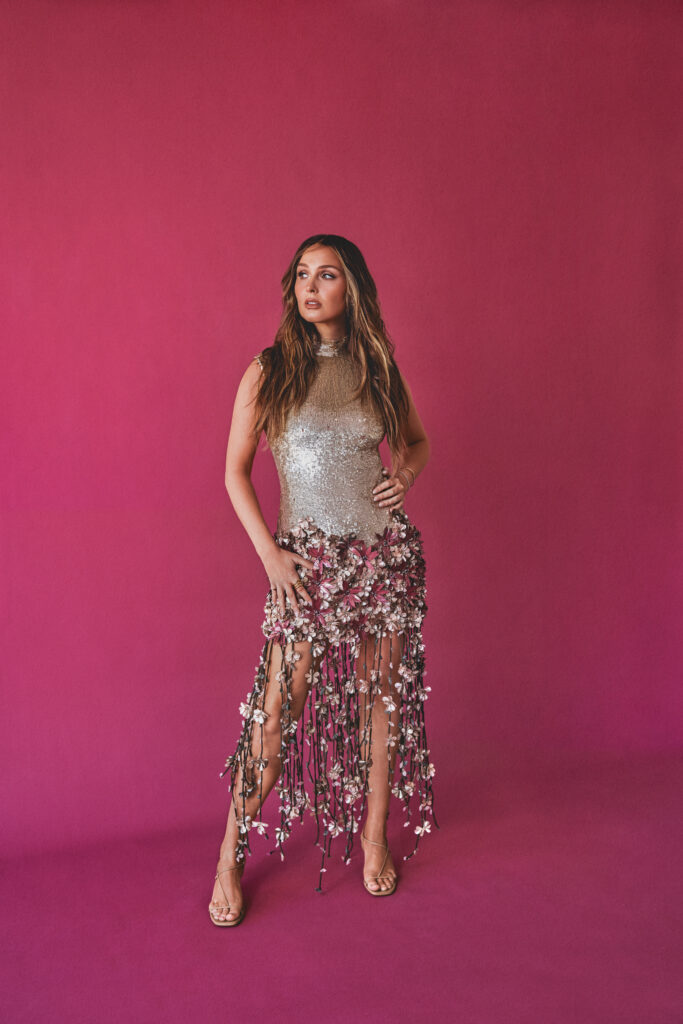

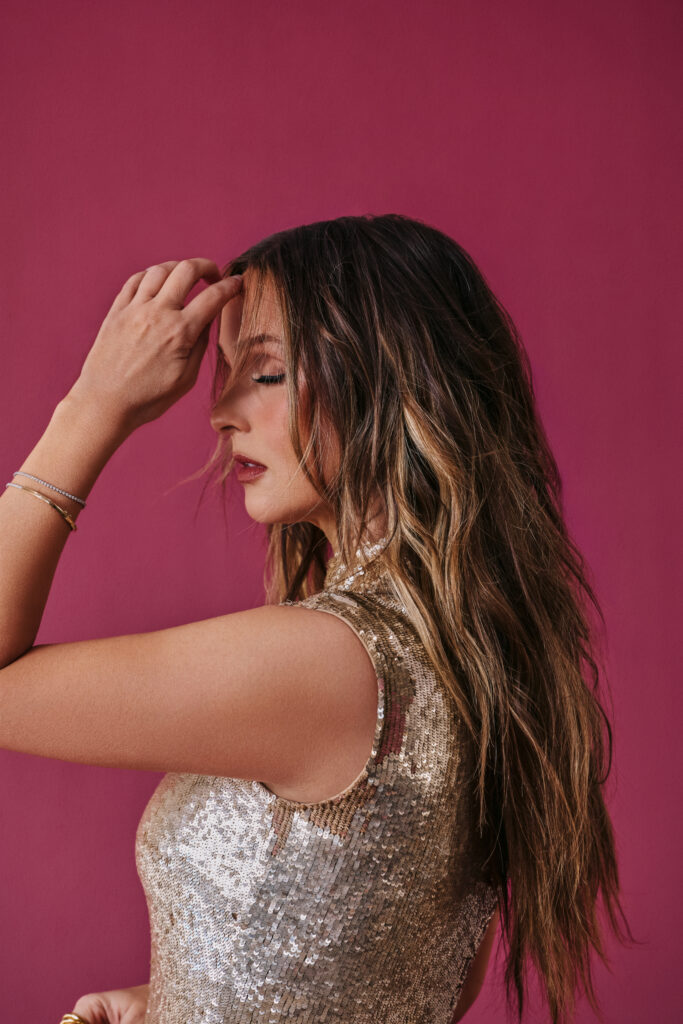
Camilla is wearing: Dress by Prabal Gurung, Heels by Studio Amelia
Grey’s Anatomy has become a cultural institution over two decades. How has embodying Jo Wilson transformed your understanding of vulnerability and resilience both as an artist and a human being?
Jo arrived carrying so much trauma, but what’s always struck me is that her strength never comes from being hardened; it comes from staying open even when it hurts. Living inside that truth for so long has deepened my understanding that vulnerability isn’t weakness; it’s where resilience begins. As an actor, we face so much rejection that staying open in this industry is hard. I like to think she’s taught me to be better at that.
Your early career includes everything from British television to motion-capture for Tomb Raider. In what ways did that unseen creative process shape your approach to performance in front of a camera?
My early work, especially motion-capture for Tomb Raider, taught me how much of the performance lives in imagination. With motion capture, there are no sets, no costumes, no visual cues, so you’re building the entire world in your body and mind, which forces you to be incredibly present and specific. That experience sharpened my physical awareness and emotional clarity, and it’s something I still rely on in front of the camera, even when everything around me is fully built.
You’ve spoken publicly about the emotional journey of learning that you had Hashimoto’s disease. How has this experience reframed your ideas about self‑care, presence, and identity, especially under Hollywood’s spotlight?
I know that one of the things that can cause a flare-up for Hashimoto’s is stress. When you feel that physical reaction in real time, you end up being much more mindful of taking care of yourself. I’ve set more boundaries in the past 6 months to help keep myself as healthy as possible. However, I’m still early into this diagnosis, and I know it will be a journey.
In a world where actors are often cast into archetypes, how do you navigate the tension between audience expectations and your own artistic truth?
You have to tune out a lot of the noise, and when I was younger, I wasn’t that good at it. Now I can separate what I’m doing from how the audience will receive it. It’s totally counterintuitive to be worried about that. It would take away the honesty of the storyline you’re portraying. You can’t fully lean in if you’re thinking about perception.
Lifestyle and beauty rituals reveal as much about the era of the person as the person herself. How does your beauty philosophy today ( scent, style, rituals ) reflect who you are right now?
I think my beauty philosophy today is all about how I feel about the way I look. I dress for my own gaze if that makes sense. I don’t care how anyone else thinks I look, and that applies to everything from my day-to-day life to the red carpet.
Motherhood and career rarely coexist neatly. How has becoming a parent deepened, challenged, or even liberated your performance work?
Becoming a parent completely recalibrated my sense of what matters, and that clarity has deepened my work in ways I didn’t expect. It’s challenged me to be more efficient and intentional, but it’s also stripped away a lot of fear. I have less patience for self-doubt now. Motherhood cracked me open emotionally, and that access to love, worry, and vulnerability has made my performances more grounded and honest.
Creative spirits often carry parallel practices. You’ve returned to painting. What does visual art unlock in you that acting doesn’t?
With my own paintings, I am on my own clock, I can make art at the pace I want. Being on set, of course, we need to work efficiently to lock in the episode, so it unlocks this reminder for me to take my time.
Jo Wilson’s narrative arc has explored identity, trauma, and belonging. What scene in that journey resonates most with your personal inner evolution and why?
The scenes where Jo was doing EMDR really spoke to me. I had never done therapy before, and here I was playing a character who was showing up with all her trauma and working through it. I was truly inspired by her and started going to therapy myself that same year.
The entertainment industry is at a moment of reckoning with representation, longevity, and purpose. As a British actress working in the U.S., how do you feel your cultural background enriches your lens on American storytelling?
Coming from a British background, it gives me a bit of an outsider perspective, which naturally shapes how I approach American storytelling. Growing up in the UK is very different from growing up in the U.S., and having lived that different experience, I hope, adds nuance and extra layers to how I understand and portray characters.
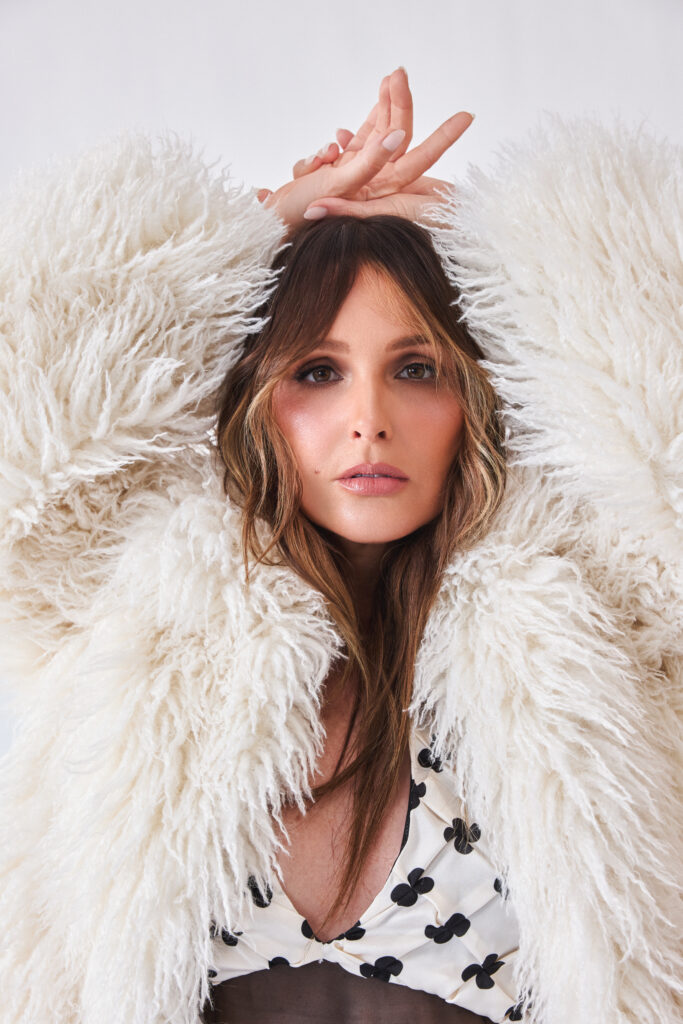
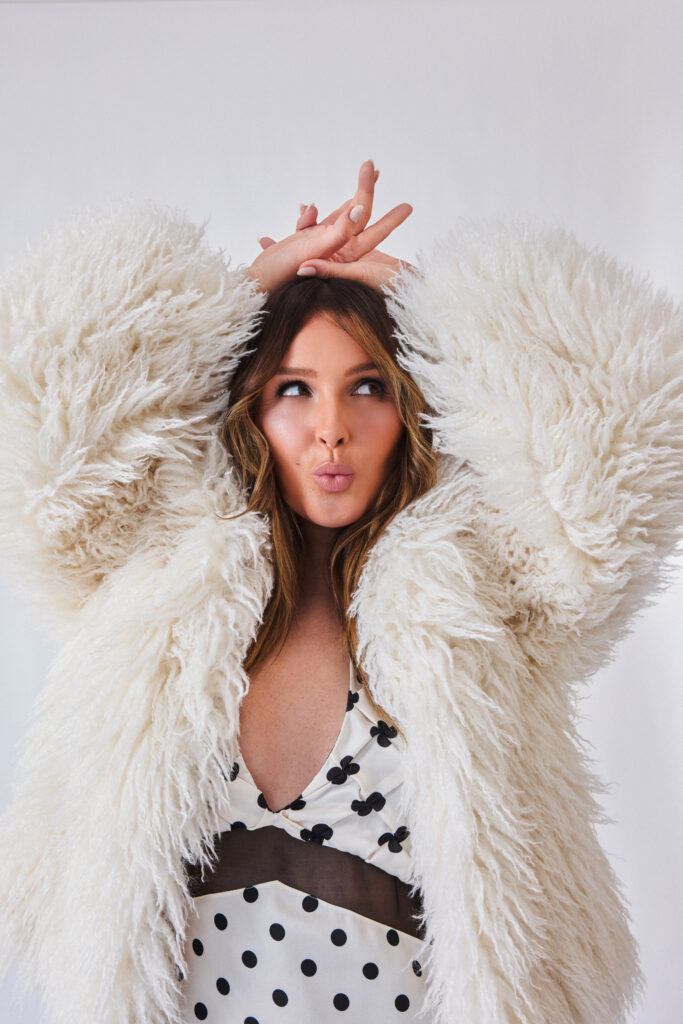
Camilla is wearing: Dress by Maria McManus, Jacket by Cinq
A Sept
You’ve brought to life remarkable characters across media, from playing Catherine “Kate” Middleton in William & Kate to voicing Lara Croft in the Tomb Raider video games and Zatanna in the DC Animated Movie Universe. What do these varied roles teach you about voice, physicality, and emotional truth, and how do you adapt your craft between live‑action and voice performance?
Each role has taught me that emotional truth always comes first, no matter the medium. In voice work, everything has to live in your voice and imagination, whereas in live action performances, it allows you to use physicality, space, and subtle expression. Switching between them has made me more intentional and aware of how much story can be communicated through the smallest of choices.
If you could curate a cinematic dinner party of five filmmakers/actors, dead or alive, who would you invite and what question would you most want to ask each?
Judy Garland: I would ask what she thought of Wicked?
The Duffer Brothers: I want to know if there were any other alternate endings to Stranger Things and why they decided not to go with them.
Reese Witherspoon: What it was like producing her first movie. What were the hurdles she faced that surprised her?
Greta Gerwig: There’s nothing I wouldn’t ask.
Walt Disney: What is his personal favorite Disney movie?
Grey’s Anatomy grappled with real medical, ethical, and social issues long before they entered mainstream public dialogue. What responsibility do you feel actors have when portraying stories that resonate deeply with audiences?
The responsibility to tell the truth about them. No matter how messy, or painful or potentially intimidating they are to take on. To lean in all the way.
Looking at the evolution of women on screen, from classical narratives to today’s complex leads, what’s missing, and what are you curious to explore next?
What’s missing are more nominations for women behind the camera. Also, bring back romantic comedies, we’re hungry for them! I’d personally love to explore comedy in the future.
Your journey crosses disciplines: from television drama to beauty storytelling, from performance capture to personal health narratives. If you were to write a manifesto about creativity at mid‑career, what would be its first line?
Anything is possible when you stop trying to fit your creativity into one box and let it evolve with you.
Finally, when you imagine your own legacy, not in awards or roles but in impact, what do you hope resonates most with audiences decades from now?
I hope what I’ve shared about my own mental health resonates with people decades from now. I’m very open about my own struggles and journey with it. And my journey with grief. That’s part of the legacy I want to leave. Where people find comfort in knowing they are not alone in how they feel.
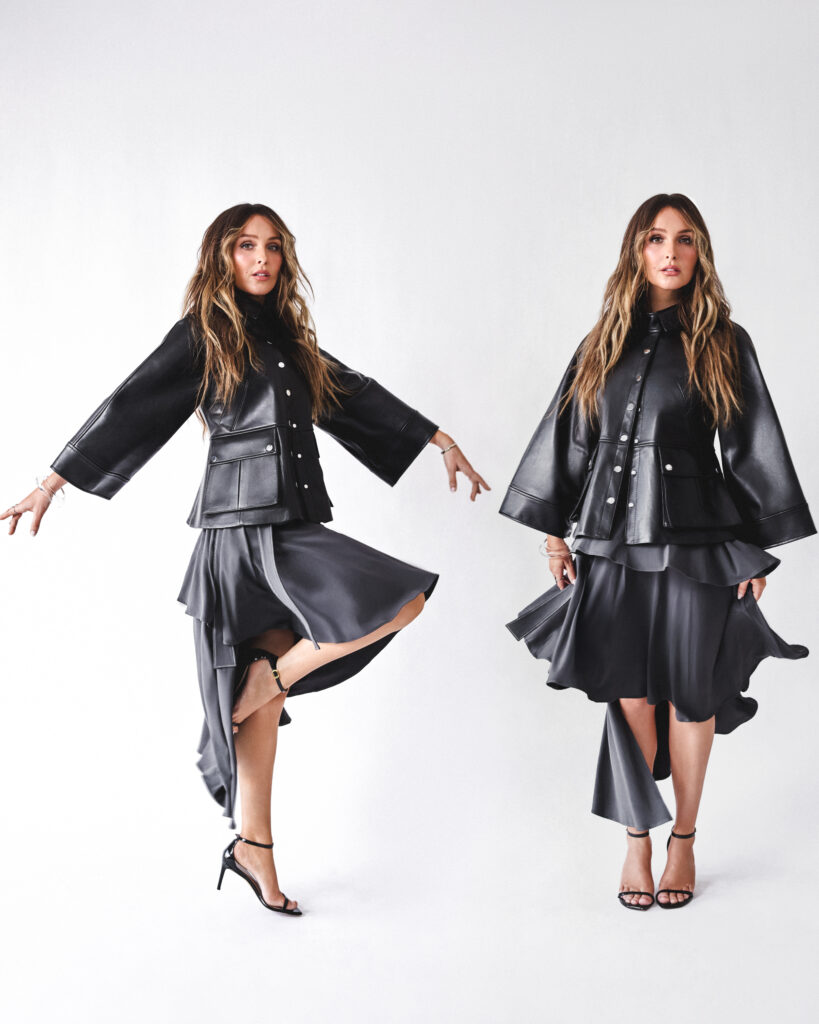
Camilla Luddington’s reflections reveal an actress for whom emotional engagement is inseparable from craft. Across roles and mediums, from network television to voice performance, from portraying royalty to exploring trauma on screen, she consistently places honesty at the center of her work. As she describes it, honesty is not performative but structural since it shapes how she inhabits a character, navigates collaboration, and approaches storytelling itself.
Her approach avoids sentimentality and spectacle, but it is marked instead by sustained presence, focus, and trust, trust in the character, in the narrative, and in the audience. Vulnerability becomes a tool, not a liability, and access to her own emotional truth allows her to fully bring another’s experience to life.
Speaking openly about her journey, from health challenges to motherhood, from long-term television commitments to the varied demands of performance across media, Luddington approaches her work with care and attentiveness. Every role, from television to voice performance, is rooted in truth and presence, approached with intent and a keen sense of responsibility to the story she is telling. For her, the measure of a performance is in the moments when an audience sees themselves reflected in a character, when a scene resonates beyond the screen. It is an approach that requires patience, discipline, and awareness, and one that allows her work to linger long after the story ends, leaving an impression that is powerful yet deeply human.
Her answers resist the neatness often demanded of public narratives. Motherhood does not simplify her identity, but it deepens it. Illness does not define her, but it teaches her how to listen. Fame is neither denied nor romanticized but treated as secondary to the act of showing up fully for a character, for a story and for herself. Perhaps this is why her performances resonate so persistently. They ask to be felt in the deep, and Luddington’s commitment to openness feels softly radical.
When she speaks of legacy, she does not cite awards or longevity. Instead, she hopes for recognition in the most human moments: when someone, somewhere, feels less alone. It is a modest wish and a profound one. Like her work, it lingers because it tells the truth.