Story by Editor-in-Chief Carolina Ogliaro
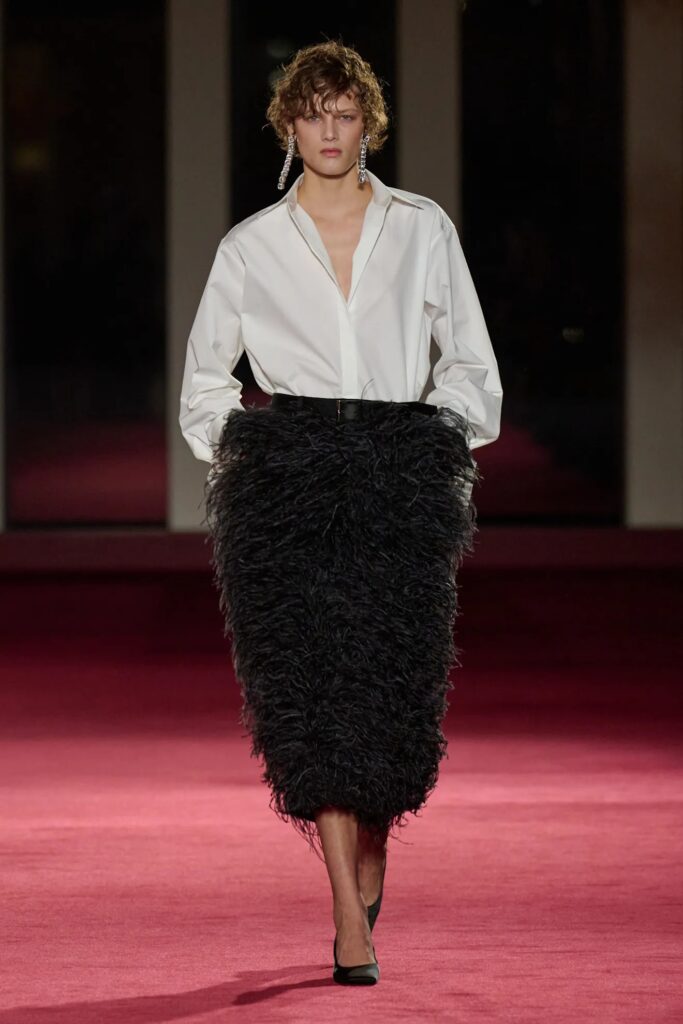
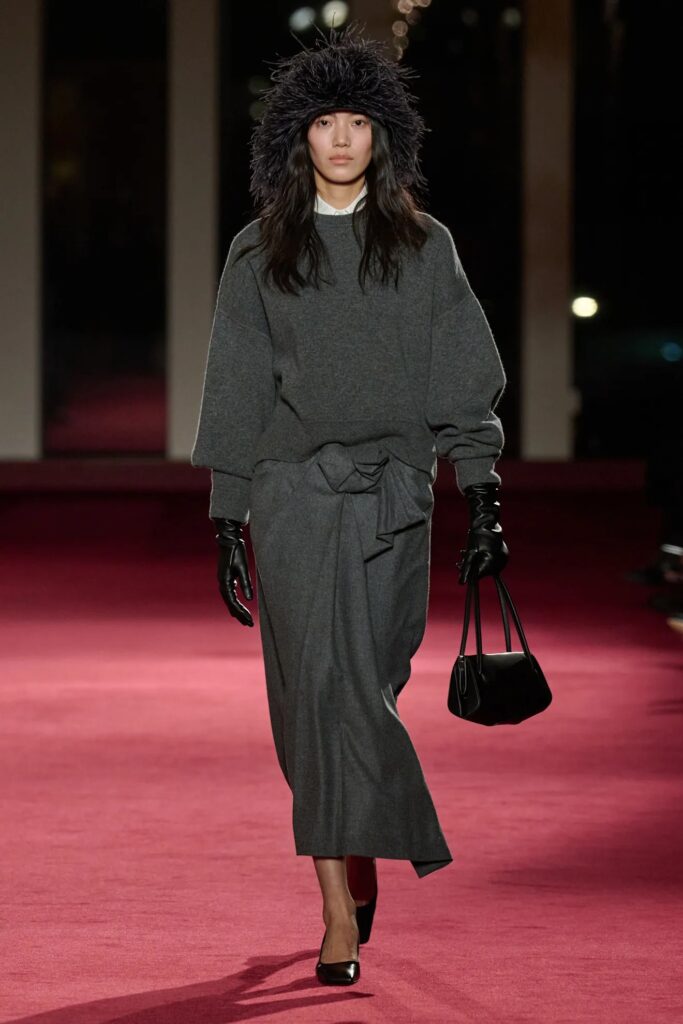
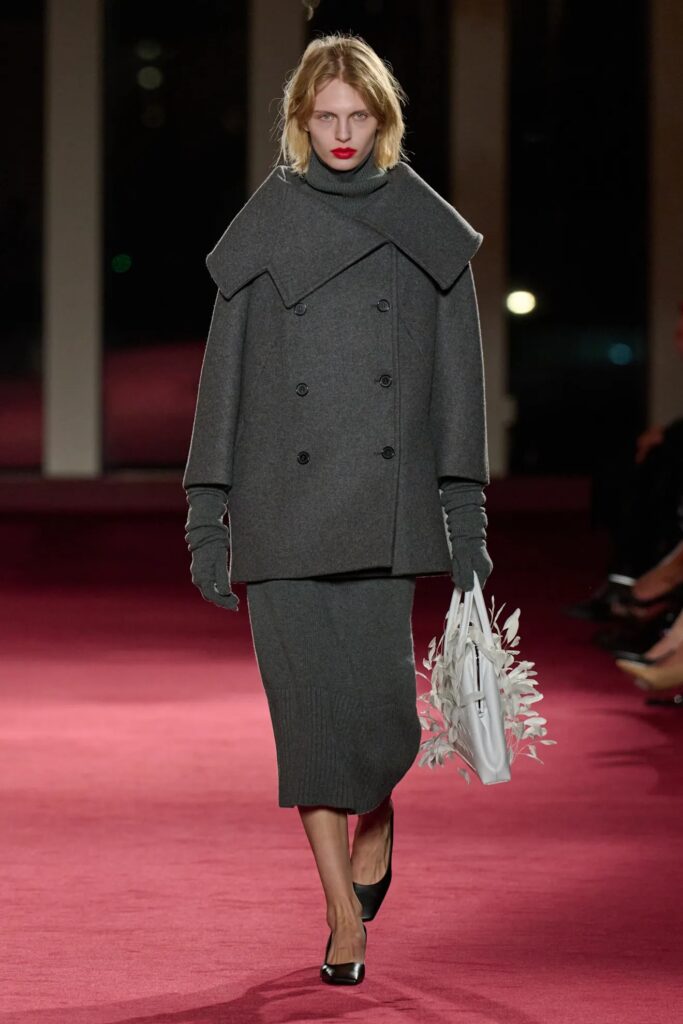
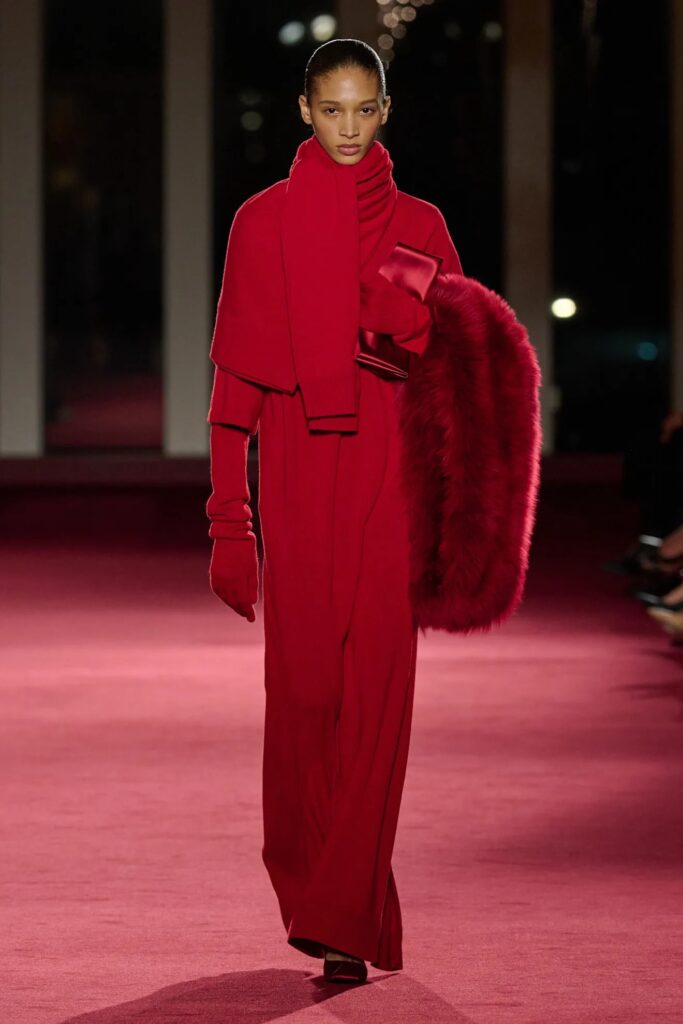
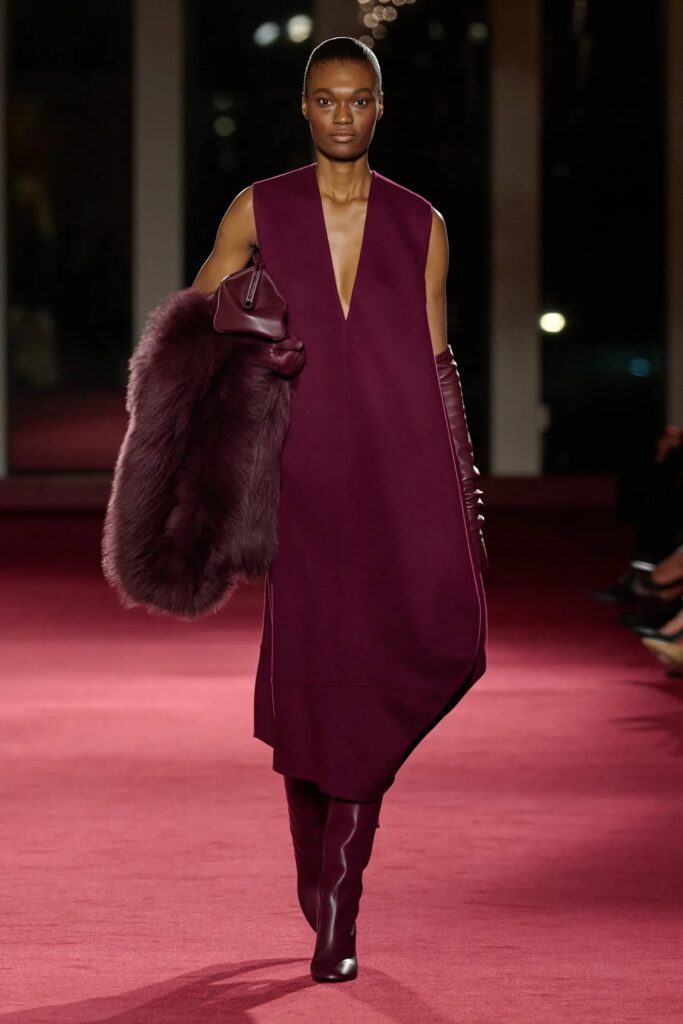
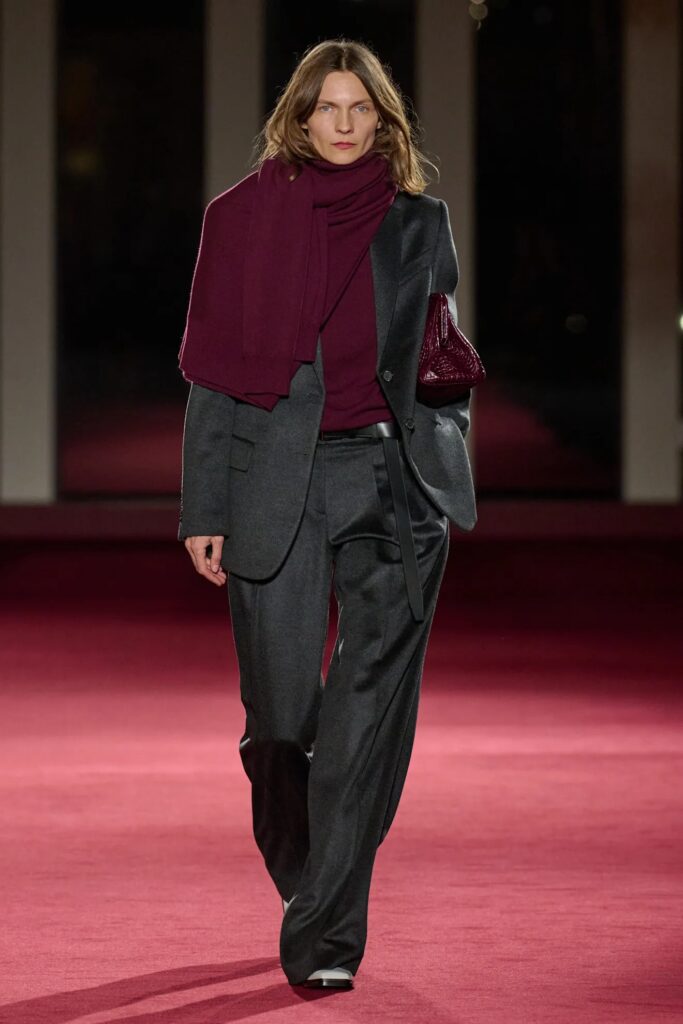
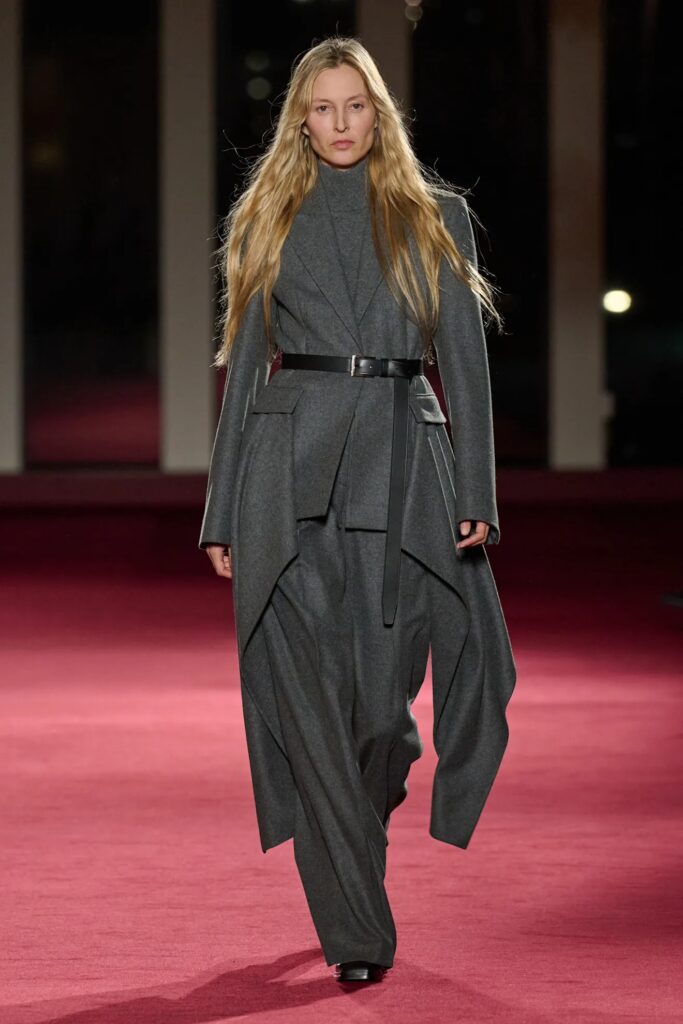
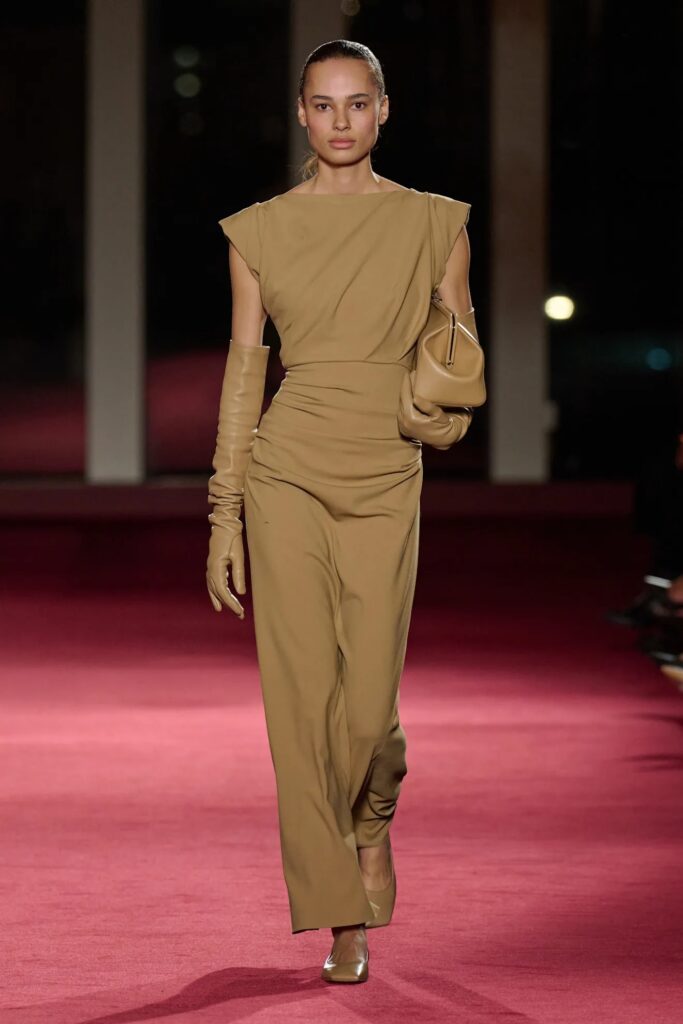
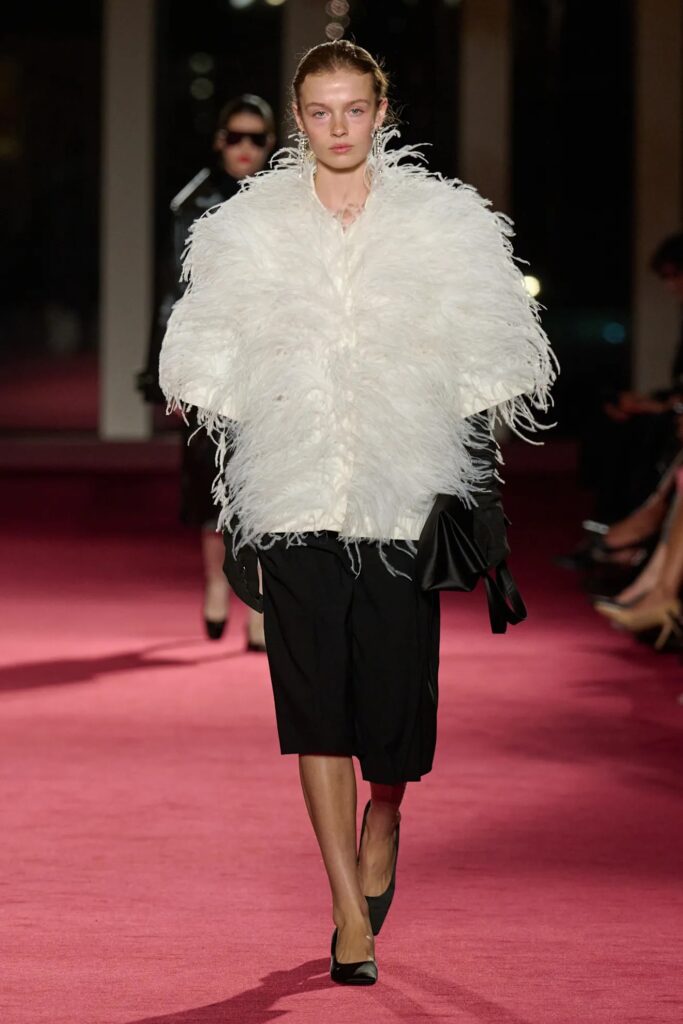
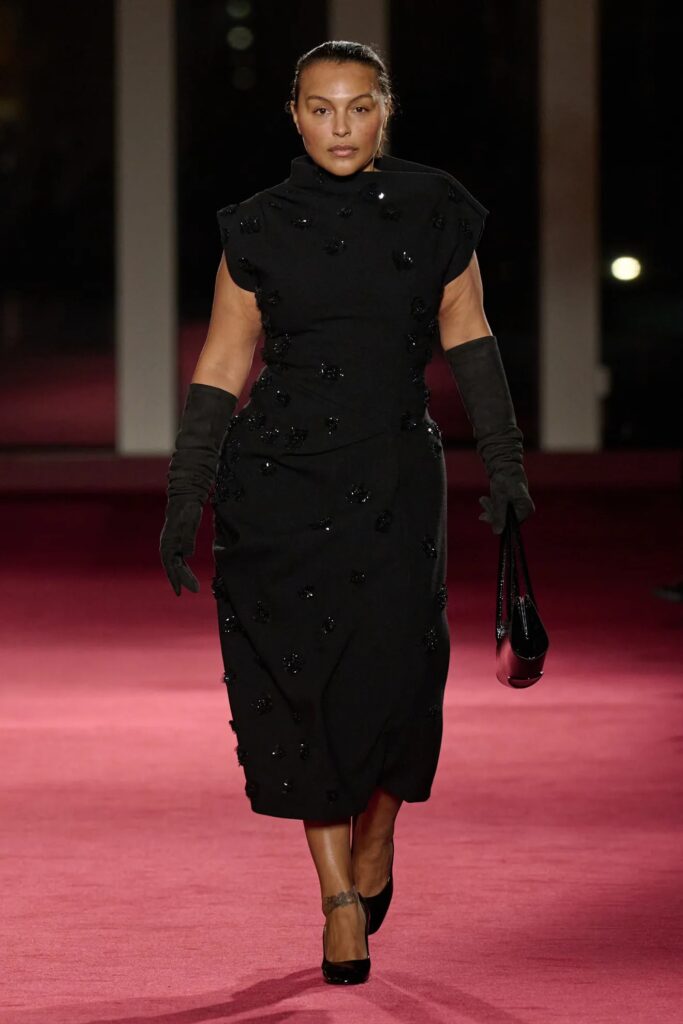
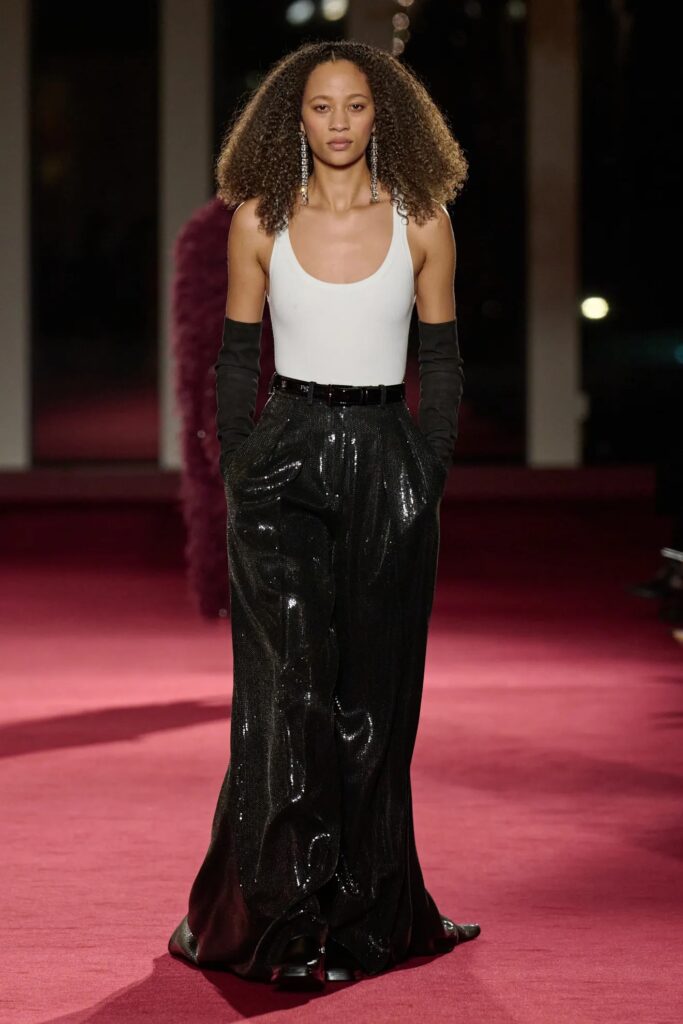
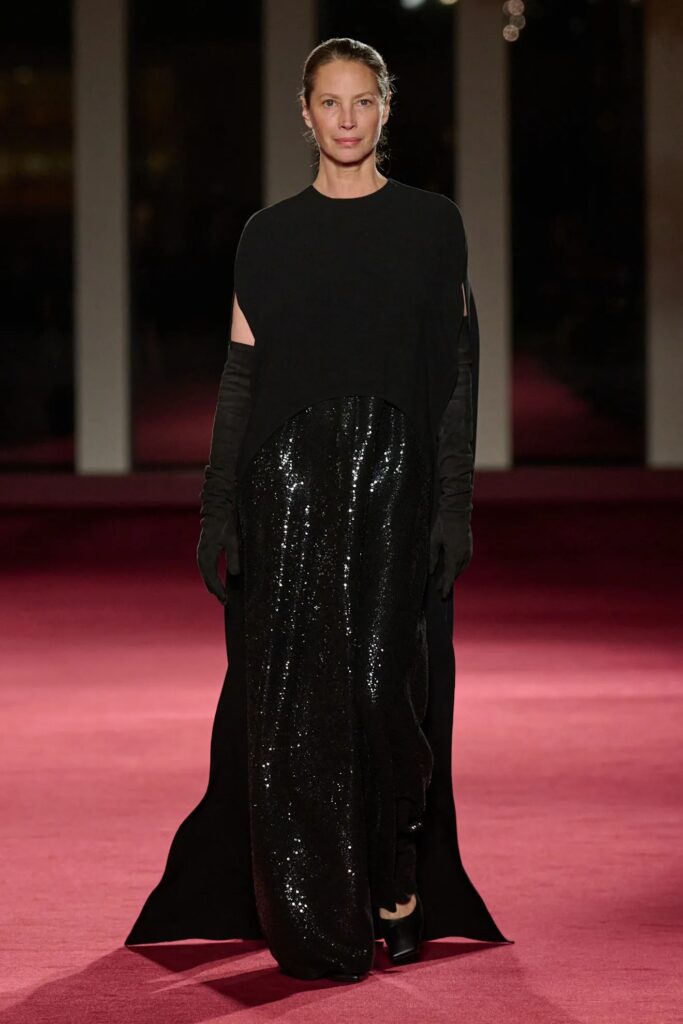
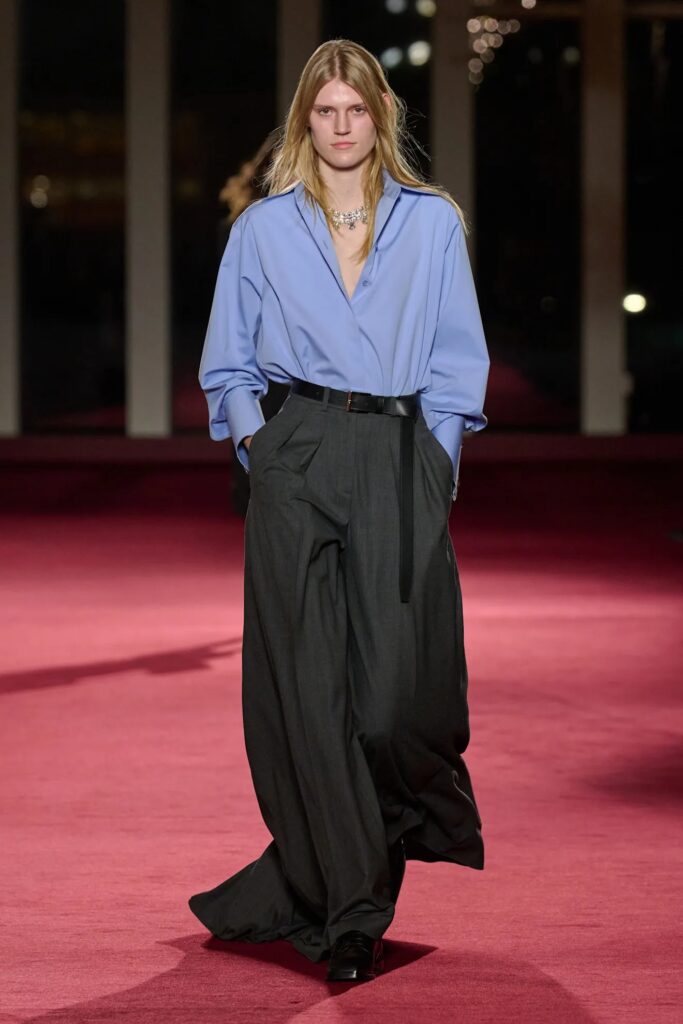
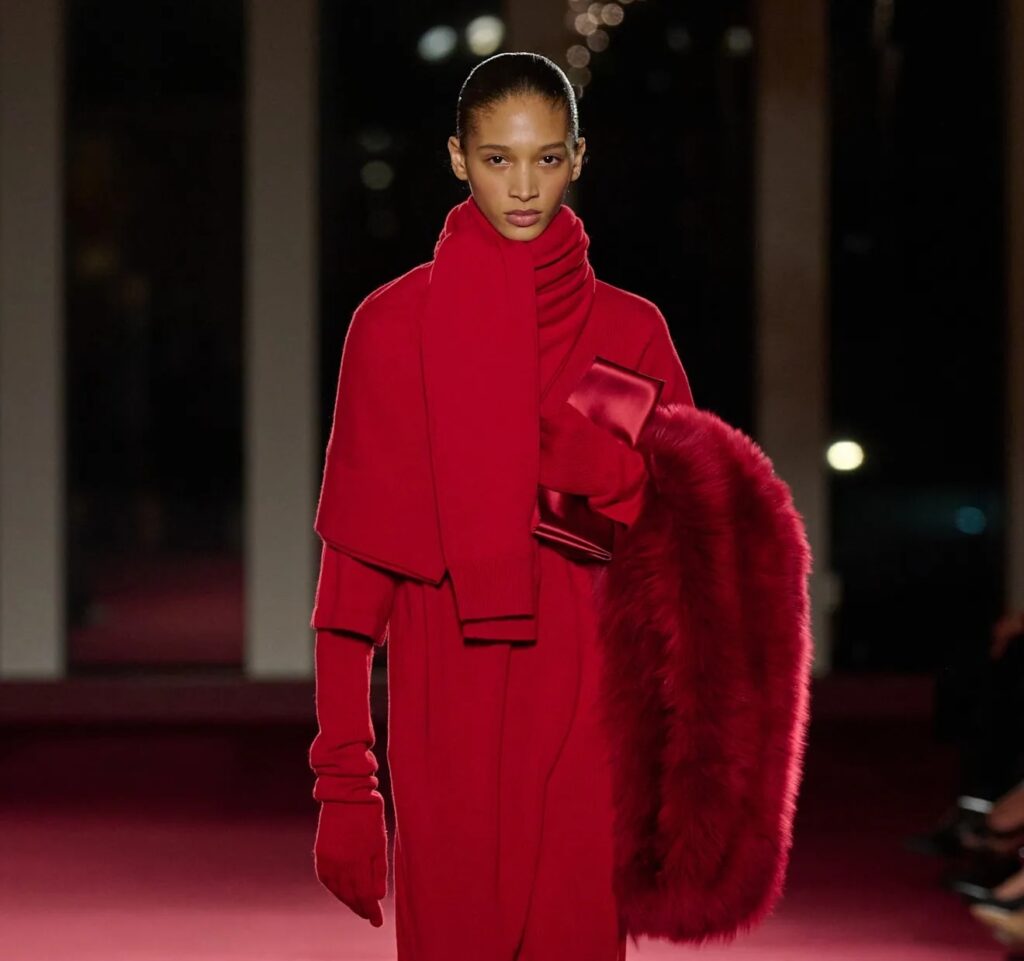
Michael Kors’ Fall/Winter 2026 collection at New York Fashion Week was, in more ways than one, a homecoming: not toward nostalgia, but toward the core idea that has sustained his career for nearly half a century. In staging his 45th-anniversary show at the Metropolitan Opera House, the collection was anchored in what Kors himself has long described as “New York chic”: a phrase that, on its face, reads familiar but in execution resists facile definition. Here, glamour and grit coexisted in tactile conversation, wool coats with heritage overtones walked alongside cashmere sweater dresses and tailored suiting shared space with expressive embroidery. The palette, where big‑city neutrals met splashes of ruby, raspberry, and wine as an assertion of place, of identity shaped by an urban rhythm.
The show did not seek to reinvent the house’s codes but to privilege their most long-lasting strengths: structural clarity, a balance between daywear practicality and evening elegance, and an understanding that clothes must serve the person. There were opera‑length gloves and feather trims that nodded to the theatricality of the setting, but they were never gratuitous; they were part of an ensemble logic in which every detail served the larger idea of refinement without ostentation.
If there was a unifying concept in the collection, it was the notion of complexity made accessible. Kors has often spoken of New York as a city that is “gritty, tough, rough, resilient, and then… glamorous, opulent and fabulous.” That duality was woven through the runway, not as a contradiction, but as coexistence. The clothes were at once practical and elevated, a reflection of women who do not exist in a single register but shift between roles, places, and moods over the course of a day and a life.
In that sense, the anniversary show was less about looking backwards, though it clearly acknowledged the brand’s lineage and more about affirming relevance in the present. Today, the fashion industry is increasingly preoccupied with the new for the sake of the new. Kors’ collection instead felt rooted in a different logic that privileges refinement over flash, proportion over provocation, and a style that moves with the wearer rather than forcing the wearer to move for the style. In an opera house built for echo and spectacle, this was a surprisingly intimate conversation about what clothes actually do.