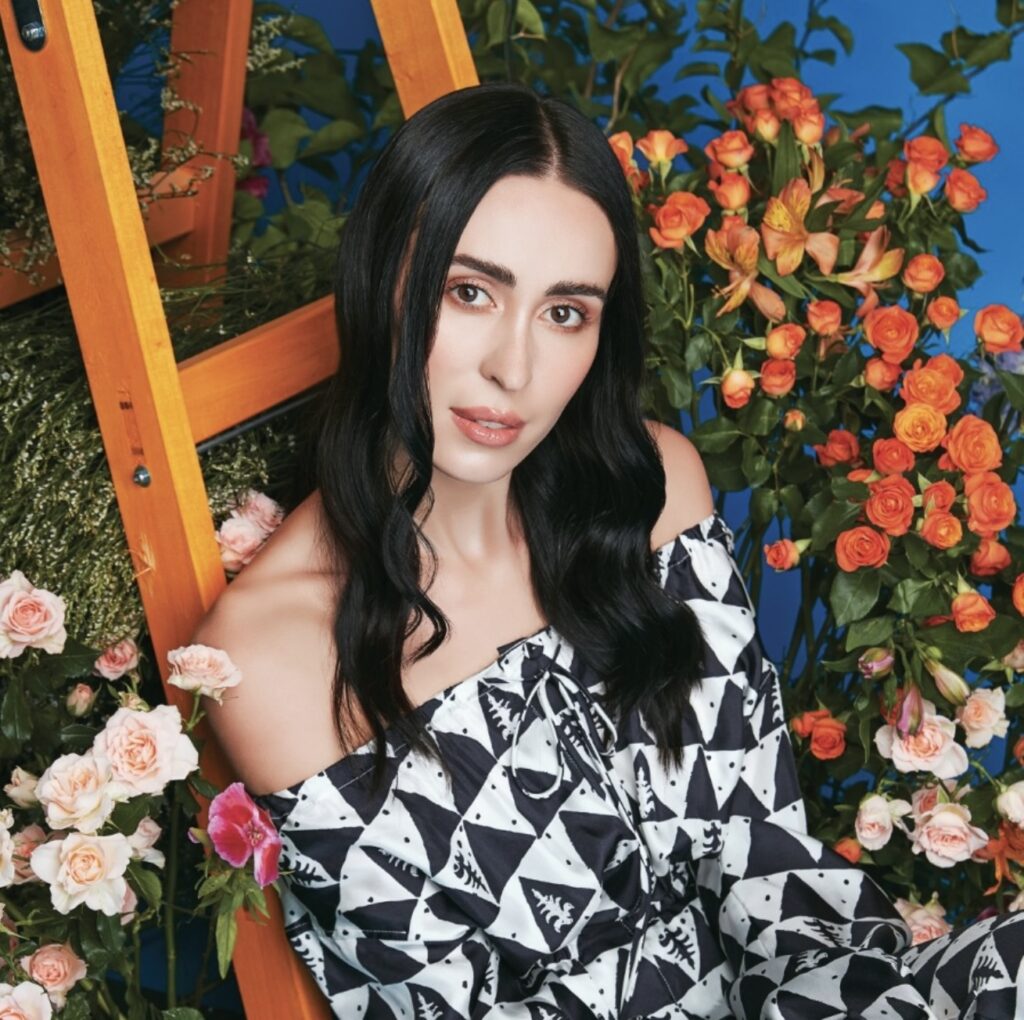
Story by Editor-at-Large CAROLINA OGLIARO
There are few women in fashion who know the system from every angle, even fewer who’ve mastered it. Elvira Jain belongs to that rare category.
At 16, she was discovered. At 18, she was running her first agency. Before most of her peers were even considering their second chapter, she was already building the blueprint. Today, as founder of Maison Ellyse, Jain moves brands, curates markets, and connects decision-makers across continents. Hers is not a narrative of transformation, but of intention. Everything in Jain’s trajectory, from her modeling career to her global network, reads like a long-range strategy.
Headquartered between the United States, Europe and the Middle East, Jain operates in a language the industry is just beginning to learn: one of cross-market intelligence, cultural fluency, and a deep understanding of what influence actually means beyond numbers.
In this exclusive interview with Composure Magazine, Jain opens up with unfiltered clarity about early ambition, the subtle dynamics of power, and what it really means to lead in fashion without performing leadership.
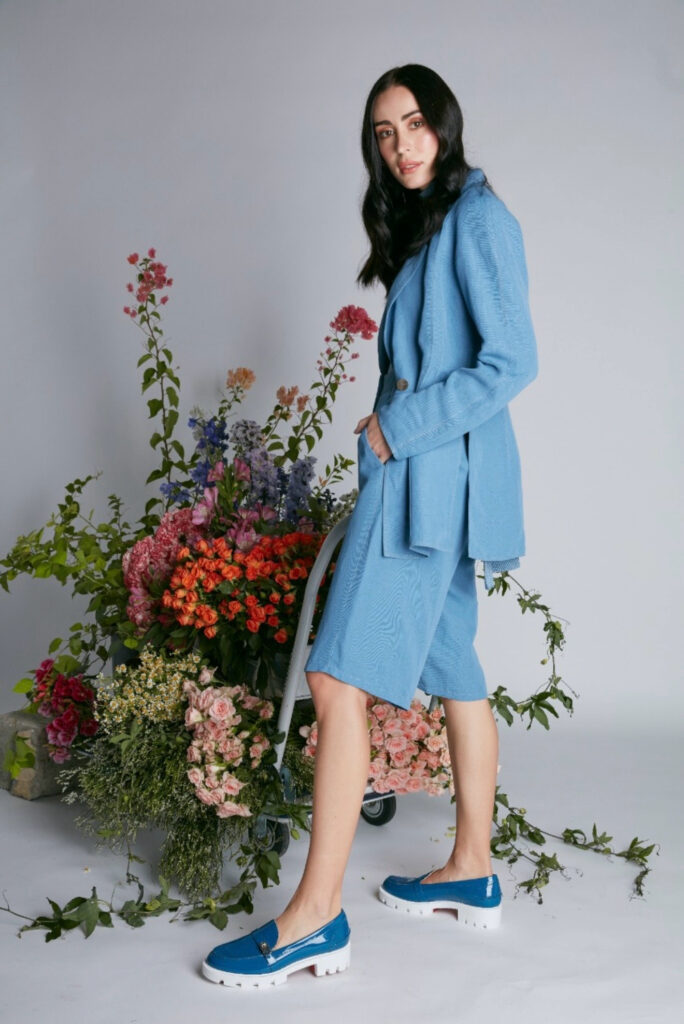
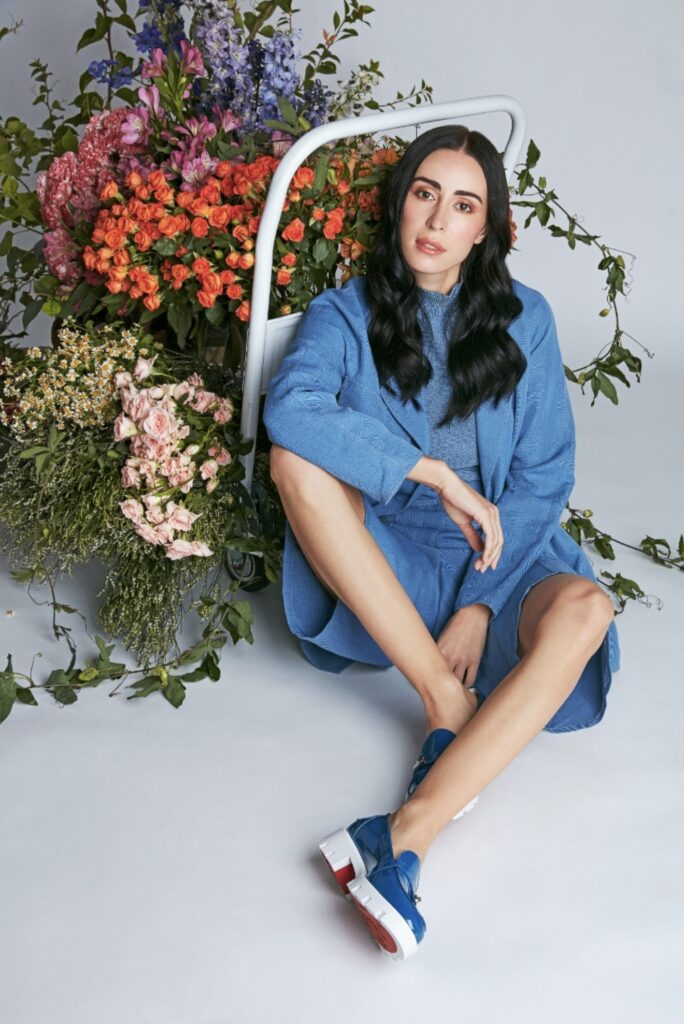
You launched your first agency at just 18. What gave you the confidence to step into entrepreneurship so early, and what were some of the biggest lessons you learned in those first years?
That you need patience and to be focused and work hard in order to achieve success. Unless you work hard, and you are the brain of the agency, no one will work for you the way you do. It’s difficult to start a new business, so dedication is very important.
Do you feel the fashion and business industries have become more welcoming to women in leadership positions since you started? What still needs to change?
I think the fashion and business industries are responding very positively to women entrepreneurs, and in fact, for me, it’s really nice to interact with male entrepreneurs. I think it’s a good exchange of experience. I like to learn and to exchange experience, whether with women or men entrepreneurs!
Have you personally experienced any gender-based obstacles in your career, whether as a model or entrepreneur? How did you navigate those moments?
Sometimes, but mostly among unprofessional people. Since I was a model from 16, I did have a couple of experiences where people tried to take advantage, but I think it depends on your education and moral values. If you have values, nothing can be an obstacle. Life is like a navigation map. When you get difficulty, sit down, analyze, and think how you will reach your destination. When you do the right things, the universe is always with you.
What message do you hope your career journey sends to young women who want to pursue their dreams, especially those coming from smaller countries like Moldova?
I think there are no limits. When you really want something, and what you want is right, and you do your best to go toward your dream, it doesn’t matter if you’re from a small or big town. If I compare it to model agencies, sometimes being in a small but strong agency gets you more work than being in a number one agency. So everything is possible and depends on your personality and mindset.
As a mother and businesswoman, what are some practical ways you maintain balance or at least peace between the personal and professional?
Sometimes it’s difficult. People often ask me what I do in my free time. I don’t have it. I’m either with my kids or working. I don’t have free time, but I do enjoy every moment I have and try to maximize its use.
Discovered at 16, you quickly entered the high-fashion world. What were the most surprising things you learned in those early days of modeling?
Oh, it was really nice. I learned so many things. From my first trip as Miss Tourism, where we used to sleep at 1 AM after rehearsals and wake up at 5 AM, to modeling jobs in different towns and cities. Being a model teaches you to be organized, persistent, and hardworking. It’s not easy to succeed; it really needs a strong and dedicated personality.
How has the modeling industry evolved from when you began to now, in terms of professionalism, inclusivity, and how models are treated?
I think it’s quite the same. I always was in top agencies, and at a high professional level, everyone treats you super nicely.I know there’s a stereotype that from modeling to “other things” is just one step, which is true, but it all depends on what agencies and environments you’re working with. Thanks to God, I always was in top agencies and from the start had campaigns, shows, and magazines with top brands.
Many people glamorize modeling. What’s one misconception you wish more people understood about the realities of the industry?
Modeling is not easy. You need to be patient, dedicated, and invest your time and heart in order to succeed. And yes, you need to choose your environment carefully.
Coming from Moldova and working globally, how has your background shaped your perspective on fashion, beauty, and business?
The experience I had was global, and I’m forever grateful to God for giving me such an opportunity. It wasn’t easy, but when I look at the overall trajectory, it’s been an amazing experience. And I can truly advise girls, if that is your dream, follow it. Just make sure you go into top or good agencies. It’s important to do proper research.
How has your experience in front of the camera influenced the way you now run your agency behind the scenes?
It’s nice. I’m working with the same people from a different level. I’m happy to go out with my friends from Gucci, Dior, Dolce & Gabbana and many more. Editors I was shooting for as a model, now I talk to them to publish my clients. Every step of life is nice, even if it’s hard sometimes, but it brings growth and something new.
What was the inspiration behind starting Maison Ellyse? What gap did you see in the industry that you wanted to fill?
Dedication and results. People tend to be superficial, and I like to look at a business from a 360-degree perspective.
Maison Ellyse isn’t just about representation; you also work closely with brands. How do you help them grow through your network, strategy, and events?
For me, every brand I work with is special. I don’t just rely on media and influencers (we’re super strong in that), but also on overall strategy to grow and expand the business. And where needed, I use my personal connections to help and connect brands.
You’ve been involved in many high-level fashion events. What role do curated events and experiences play in brand storytelling and positioning today?
It’s important, it’s part of brand awareness and expansion. It’s essential to introduce the brands to the right audience and spread the word globally.
With an international presence, how do you adapt your work to the different energy, culture, and demands of each market?
I’ve been trained since I was 16 years old, on modeling contracts around the world. Whether I need to talk to someone from China, India, Turkey, or Europe, I find a language to speak with everyone.
What are your dreams for the future of Maison Ellyse? Is there something completely new you’d love to explore in the next few years?
I would love to expand into other countries and bring the values, experience, and insights I have and merge my connections on a global level.
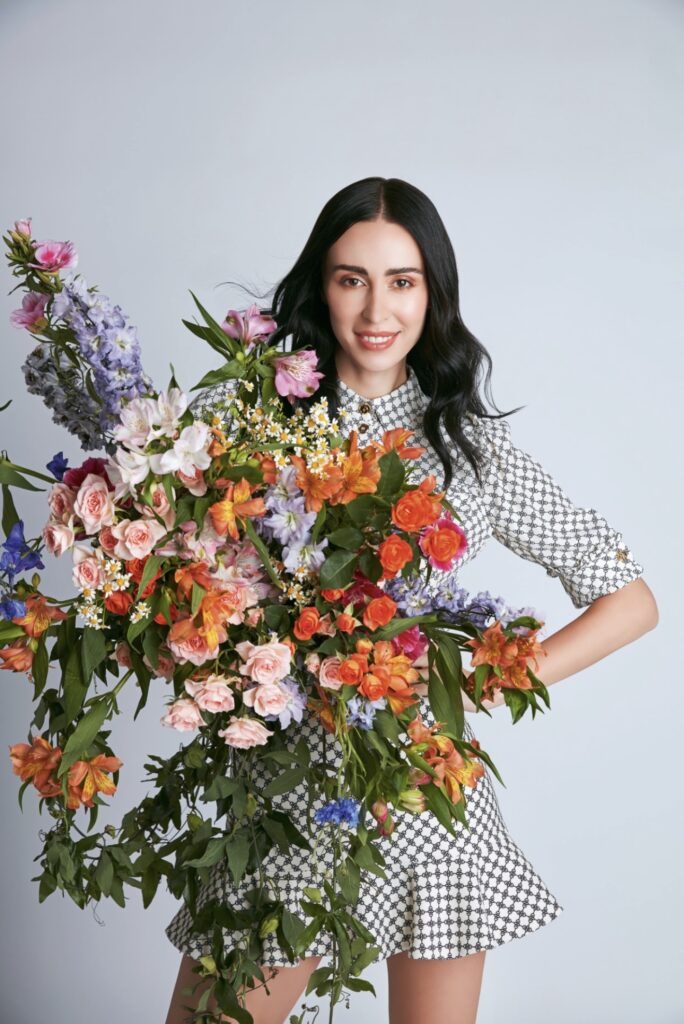
What sets Elvira Jain apart isn’t only her ability to build, but the way she sees the system, clearly, from both the inside and above. She doesn’t entertain noise, and she doesn’t chase trends. Her success isn’t the result of momentum, but of design. She’s not trying to disrupt the industry, but she’s making it more intelligent. And that intelligence isn’t loud. It’s deliberate.
In a cultural moment obsessed with speed, virality, and instant authority, Jain’s path is a study in long-form influence, the kind that doesn’t ask for attention but earns its own space. Her presence is quiet, yes, but silence can be strategic. And make no mistake: Elvira Jain isn’t entering fashion’s next chapter.
She’s already writing it.