Story by Editor-in-Chief Carolina Ogliaro
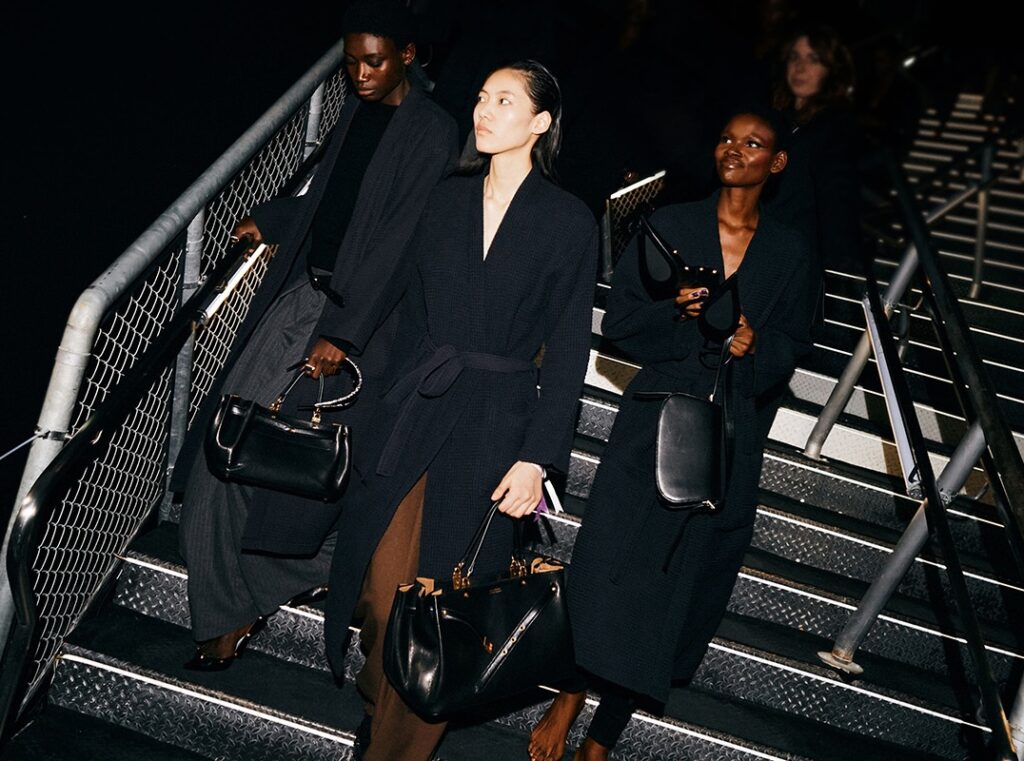
For a decade, the narrative at Balenciaga was one of disruption, irony, and the elevation of the mundane to the status of high art. But on a March evening in Paris, the conversation shifted. Or rather, it refocused. Under the creative direction of Pierpaolo Piccioli, the house that Cristóbal built has moved away from the digital cynicism of the recent past and toward something far older and more deep: the light.
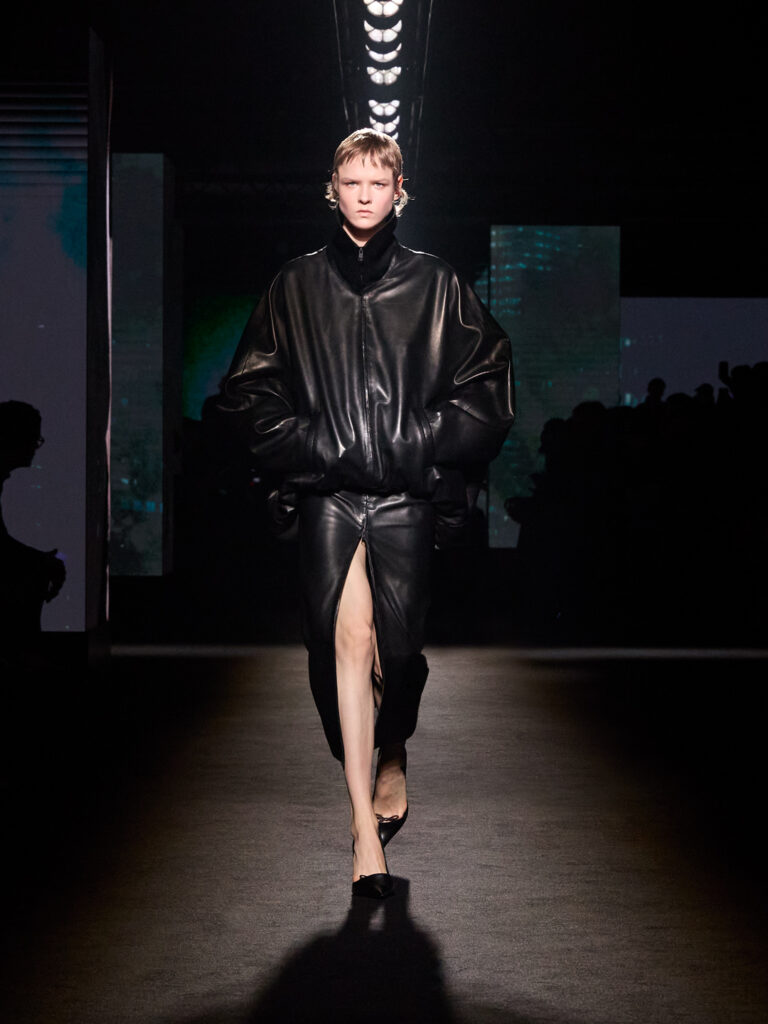
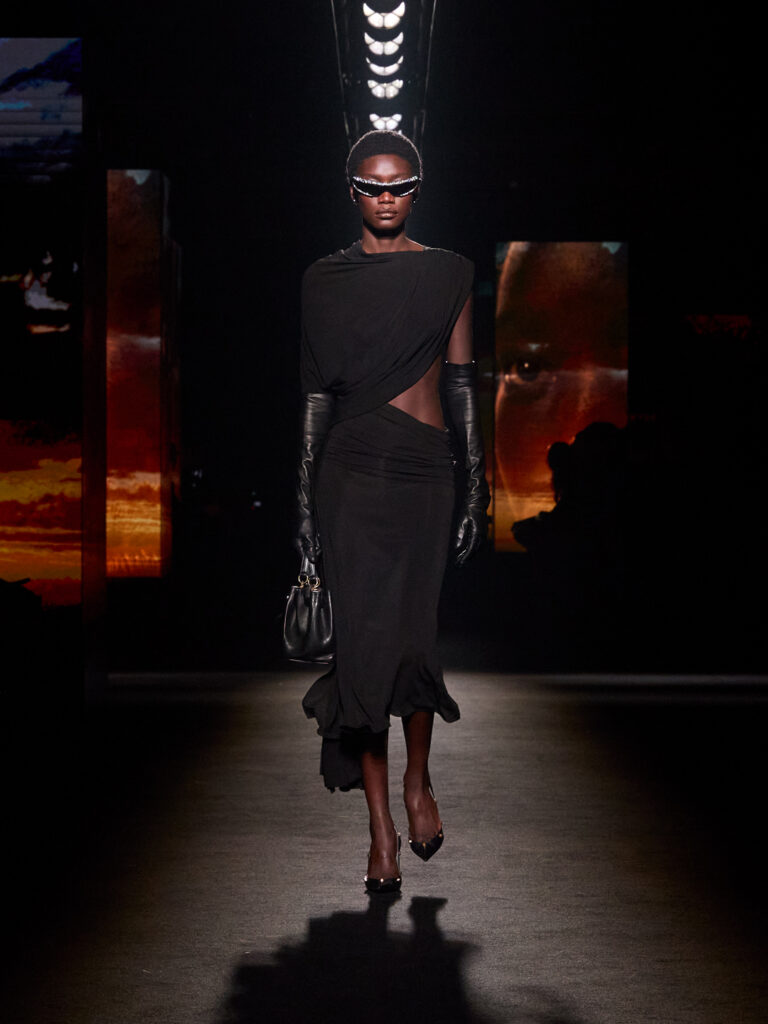
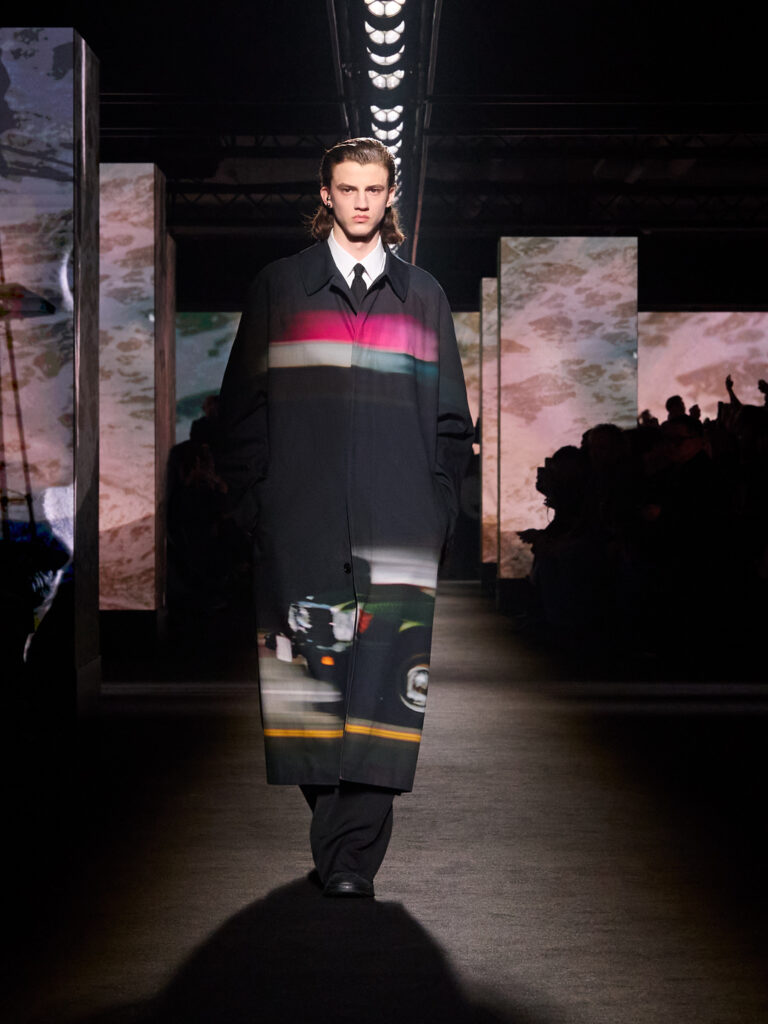
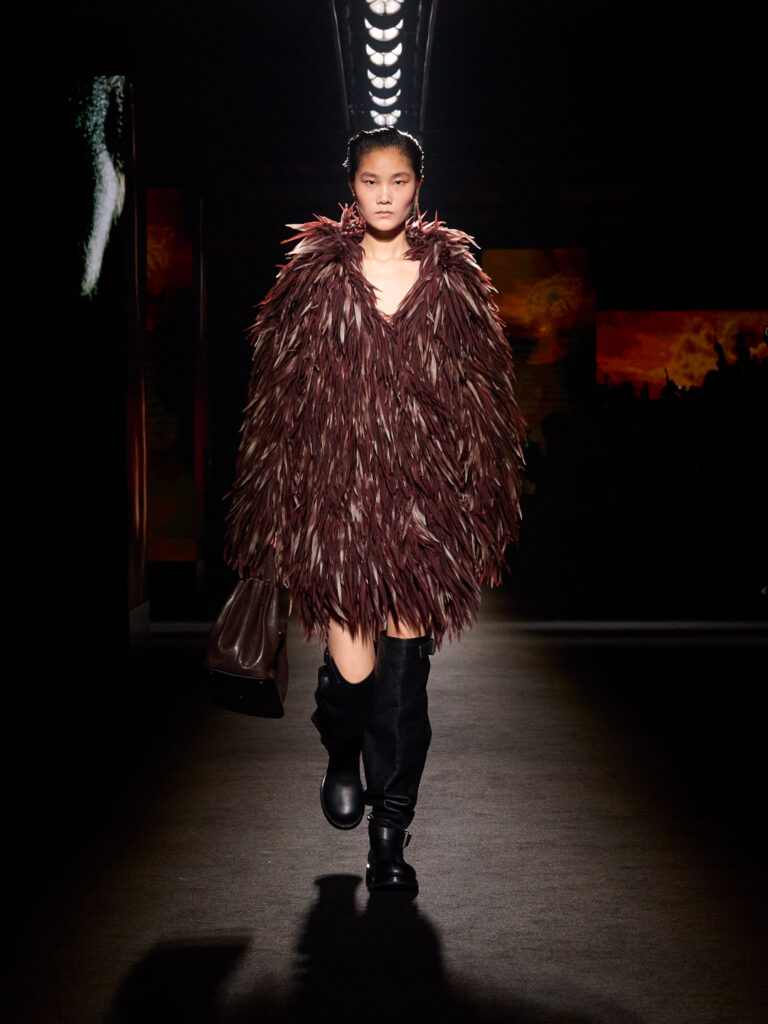
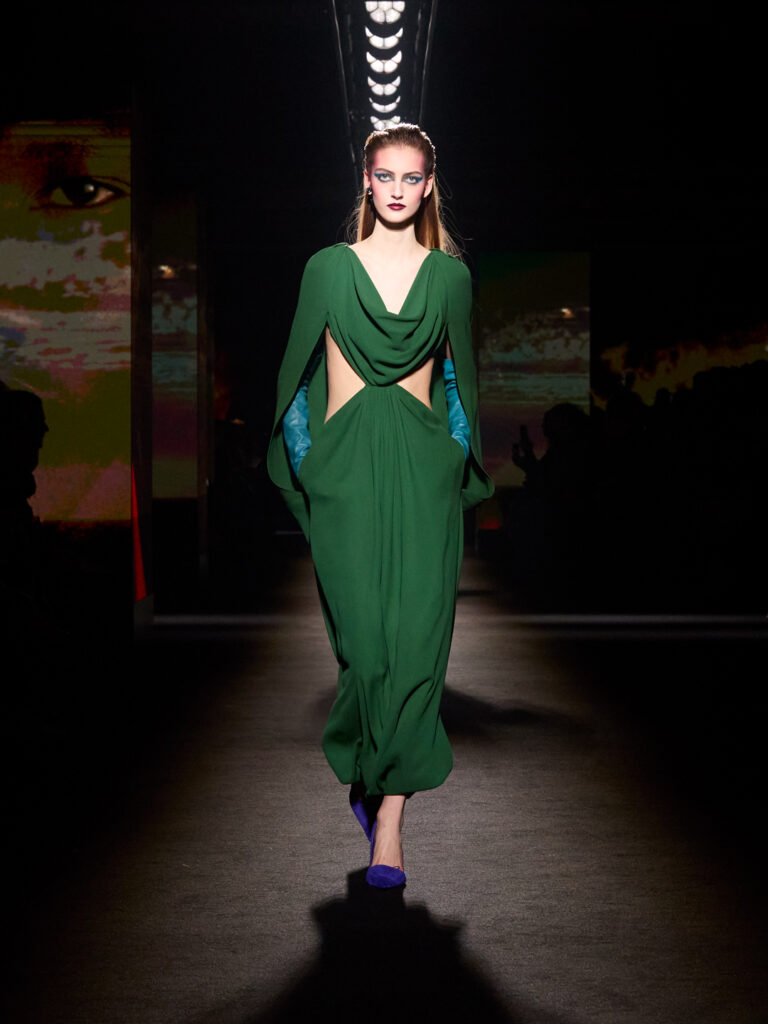
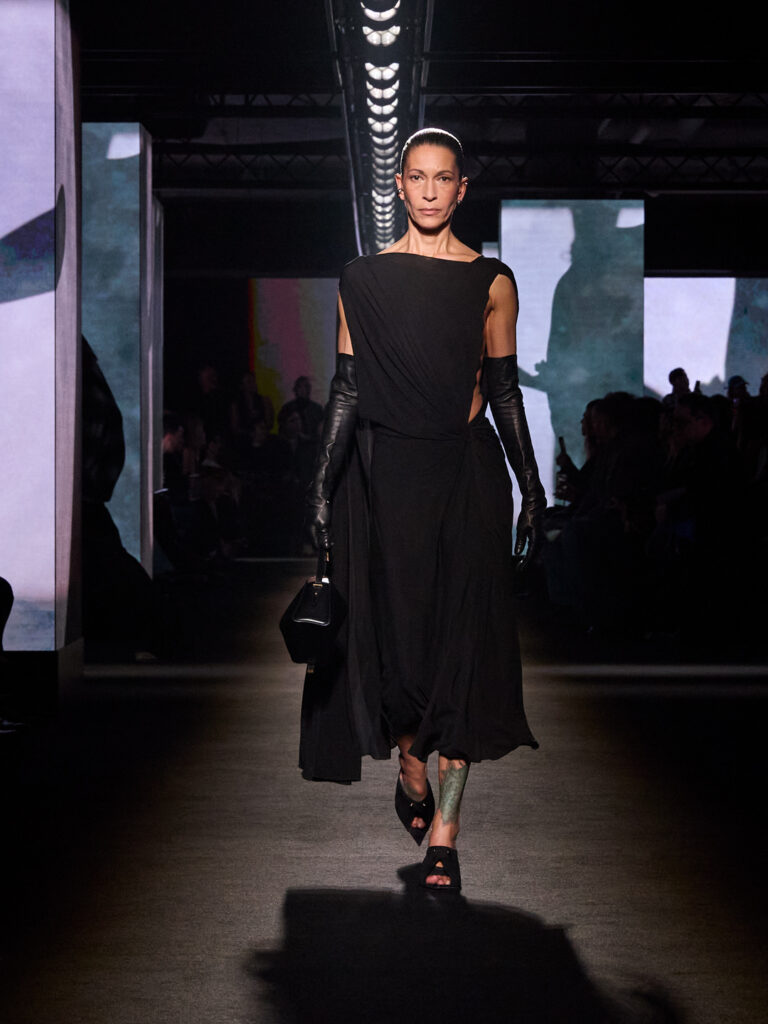
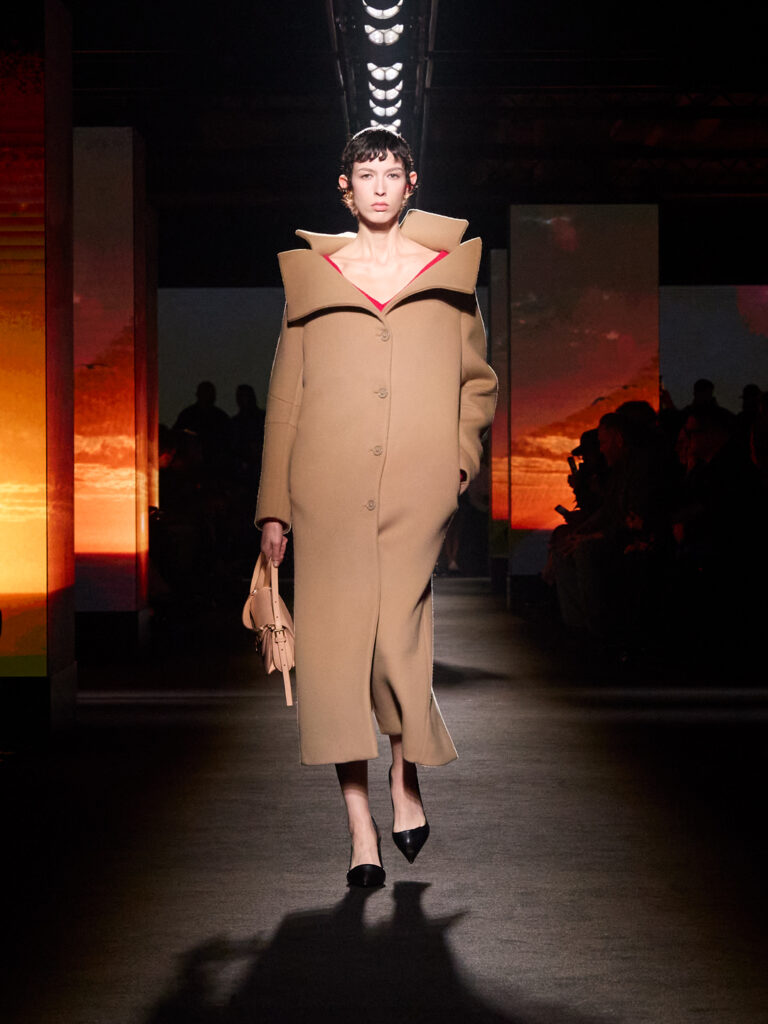
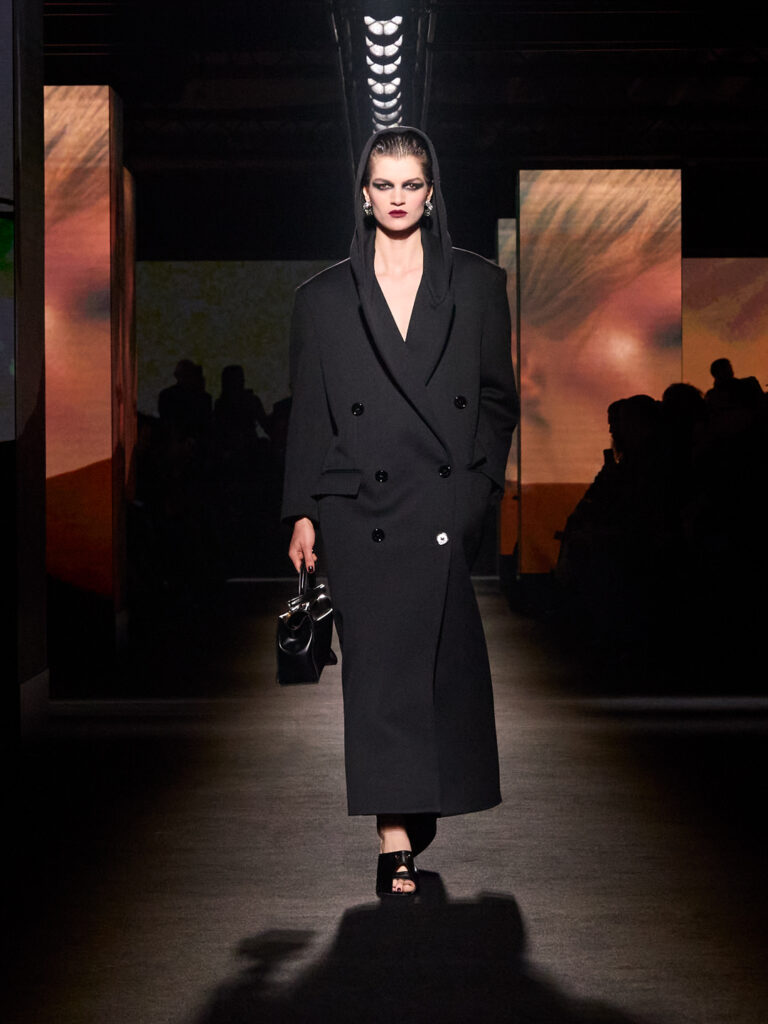
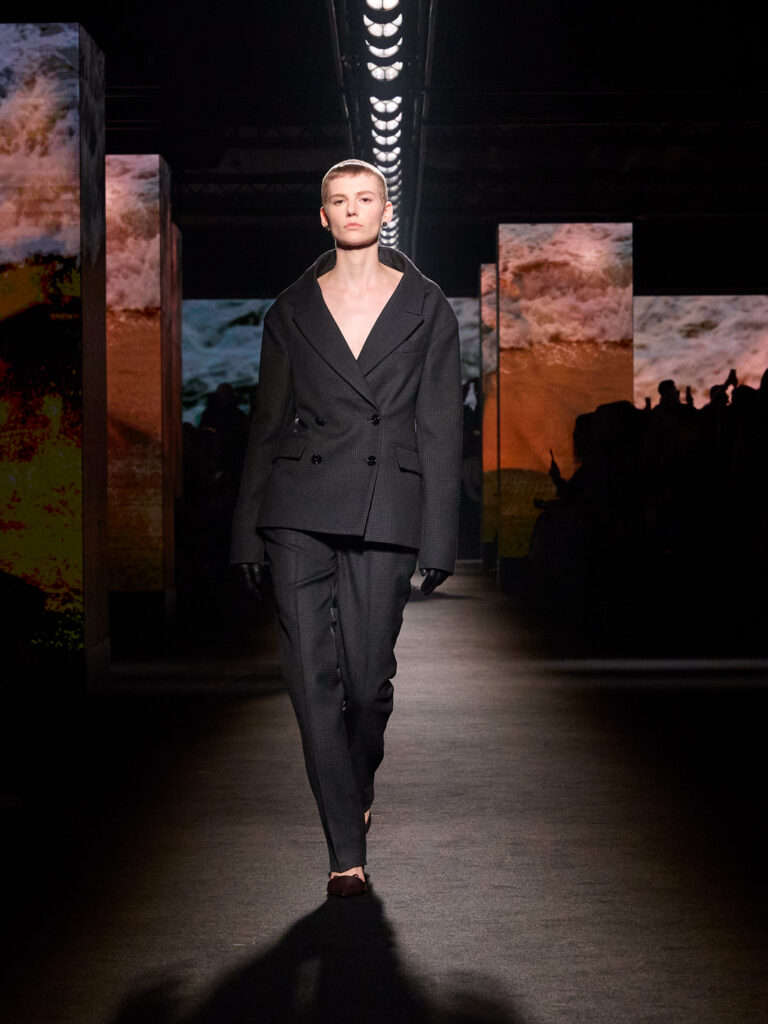
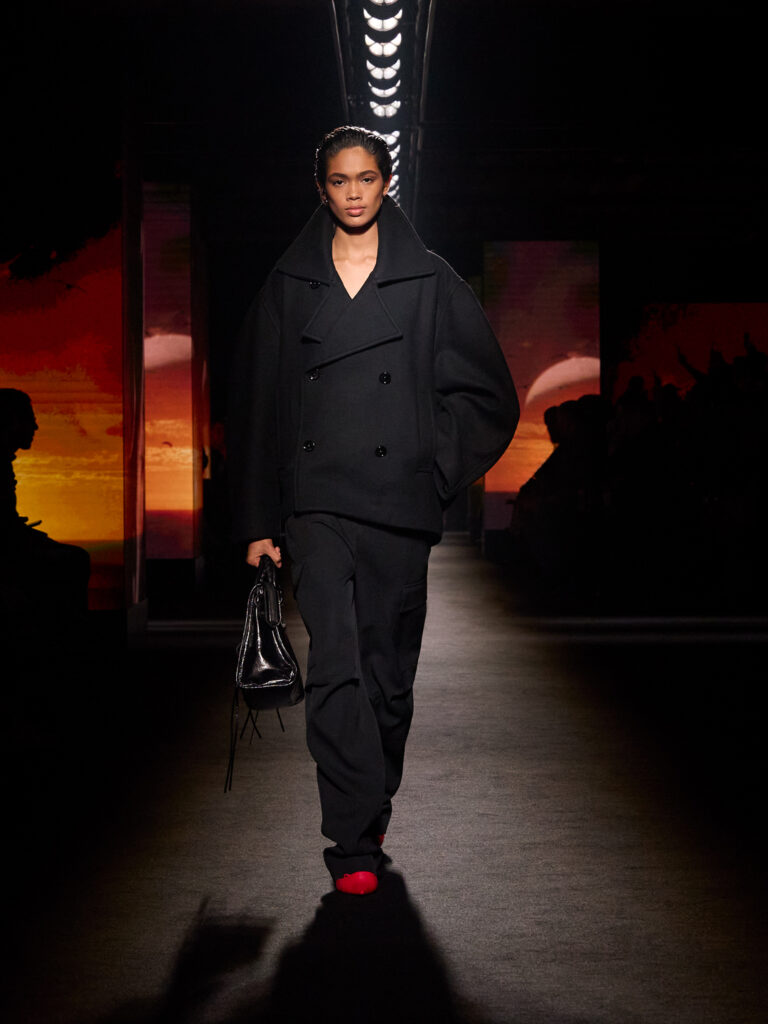
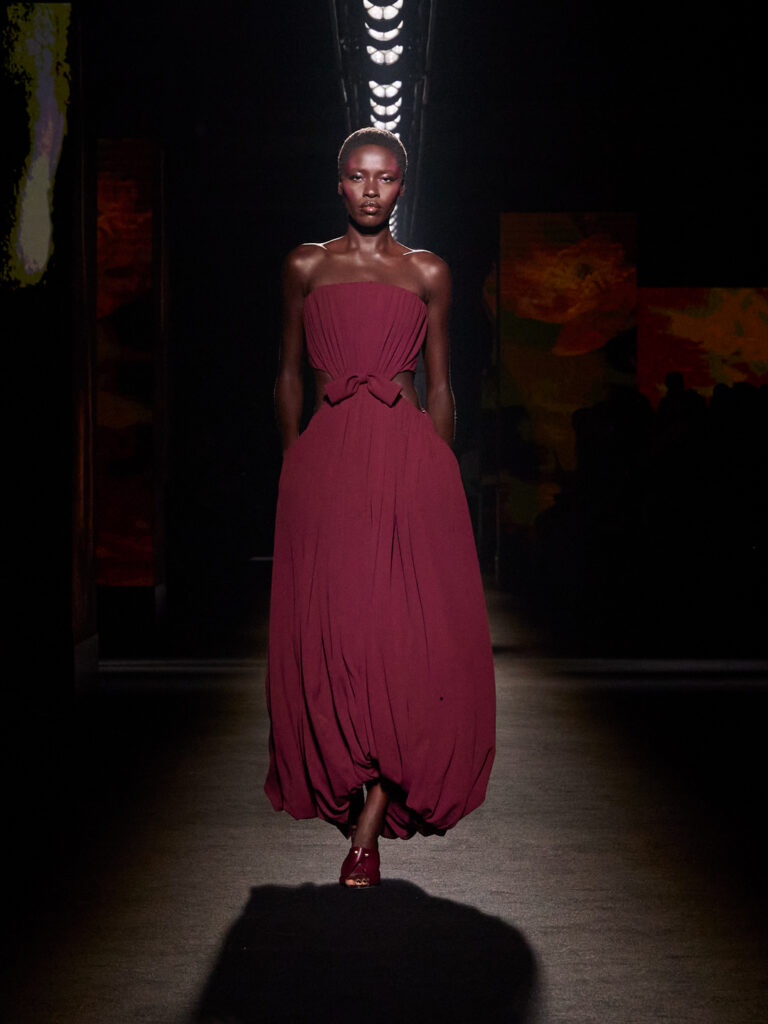
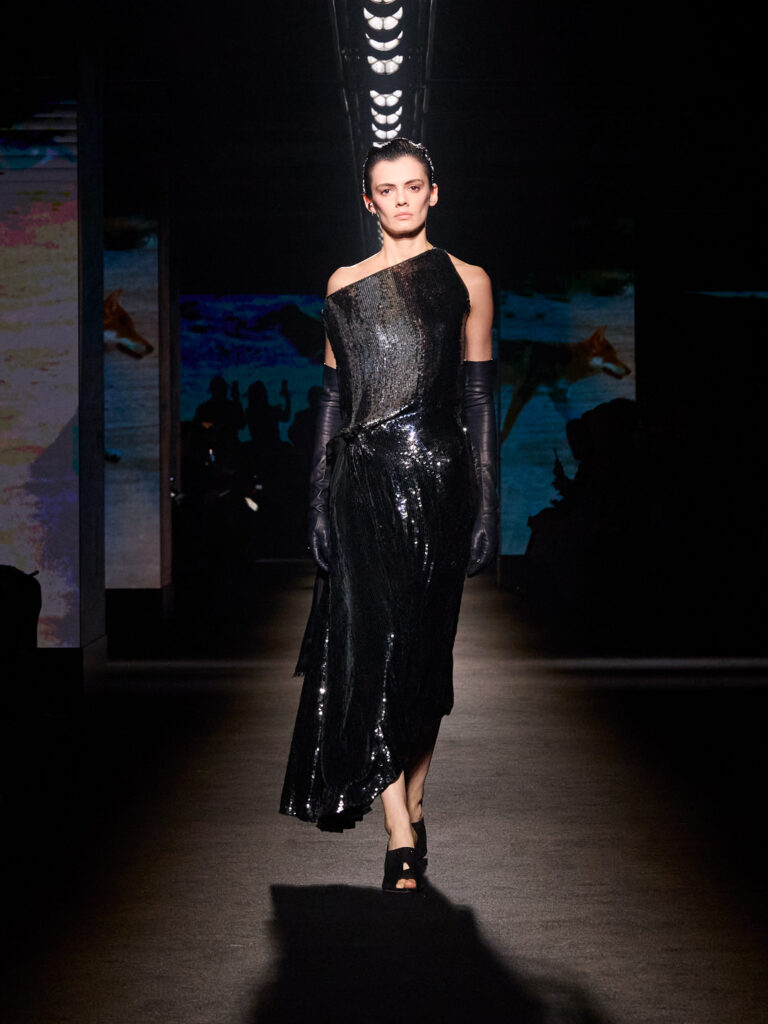
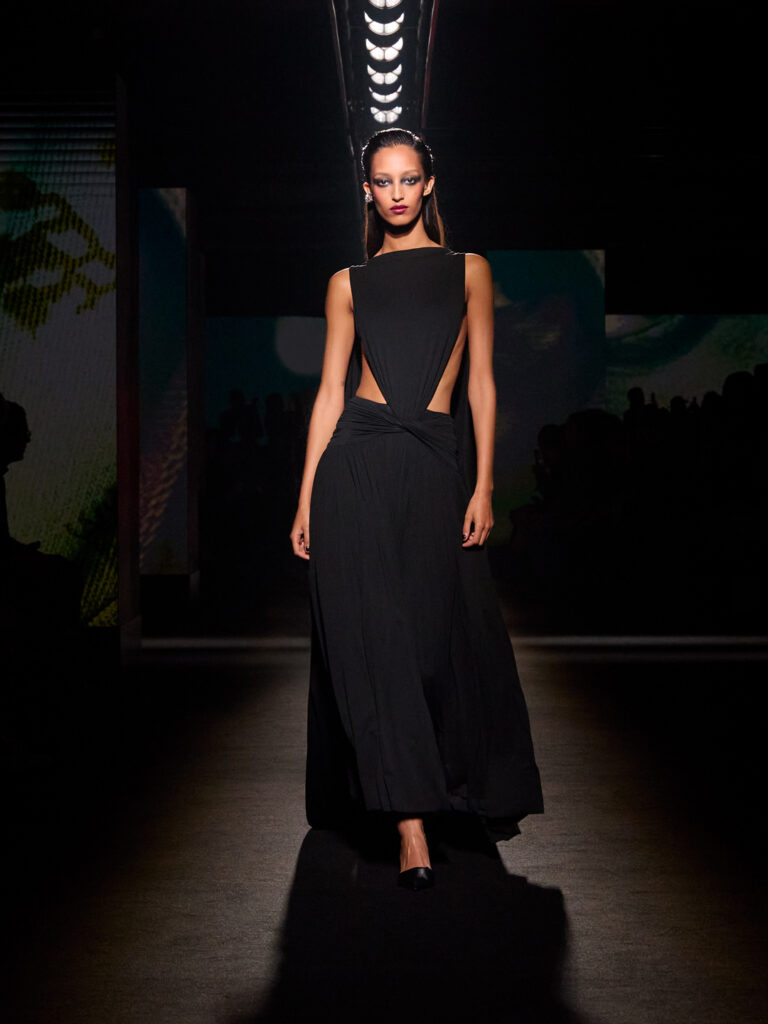
The collection, titled “Clairobscur,” takes its cue from the High Renaissance technique of chiaroscuro, the dramatic use of light and shadow to define volume. But in Mr. Piccioli’s hands, it wasn’t an art history lesson but a manifesto for a new kind of era and luxury, one that places the human form, rather than the logo or the meme, at the center of the universe.
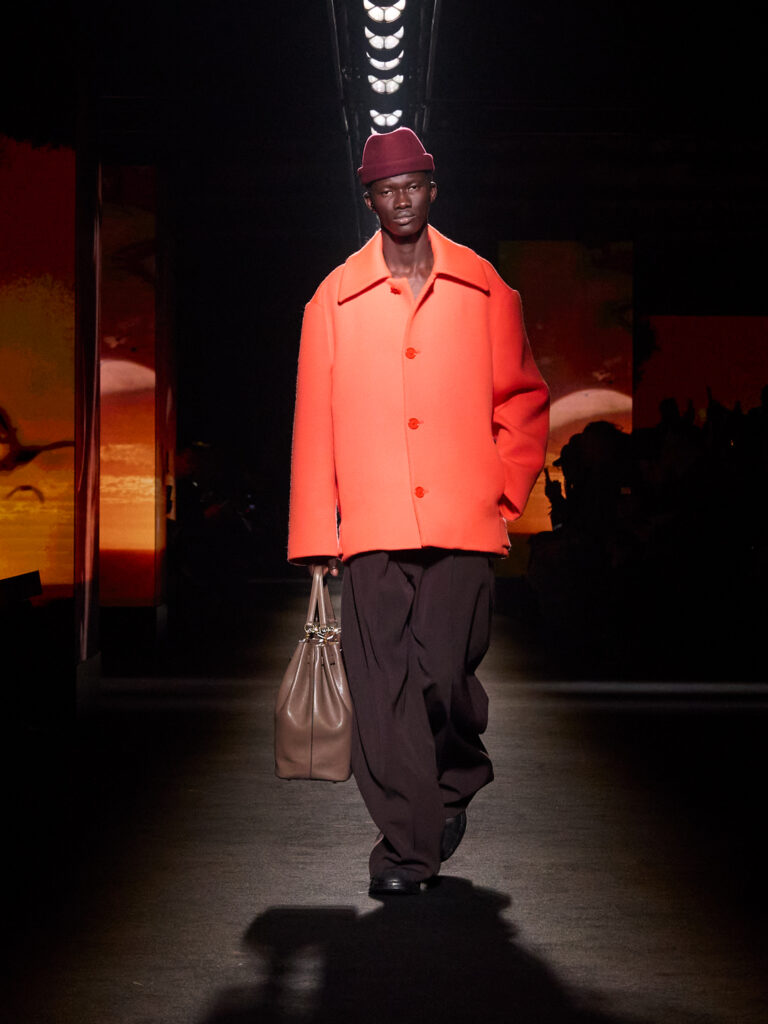
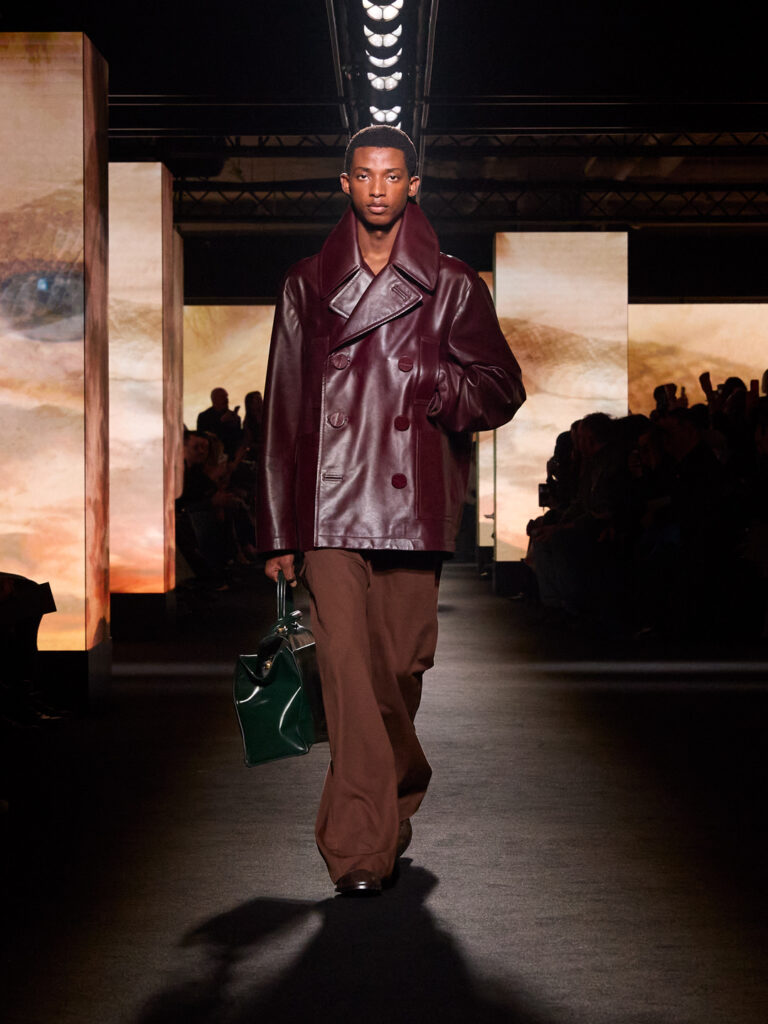
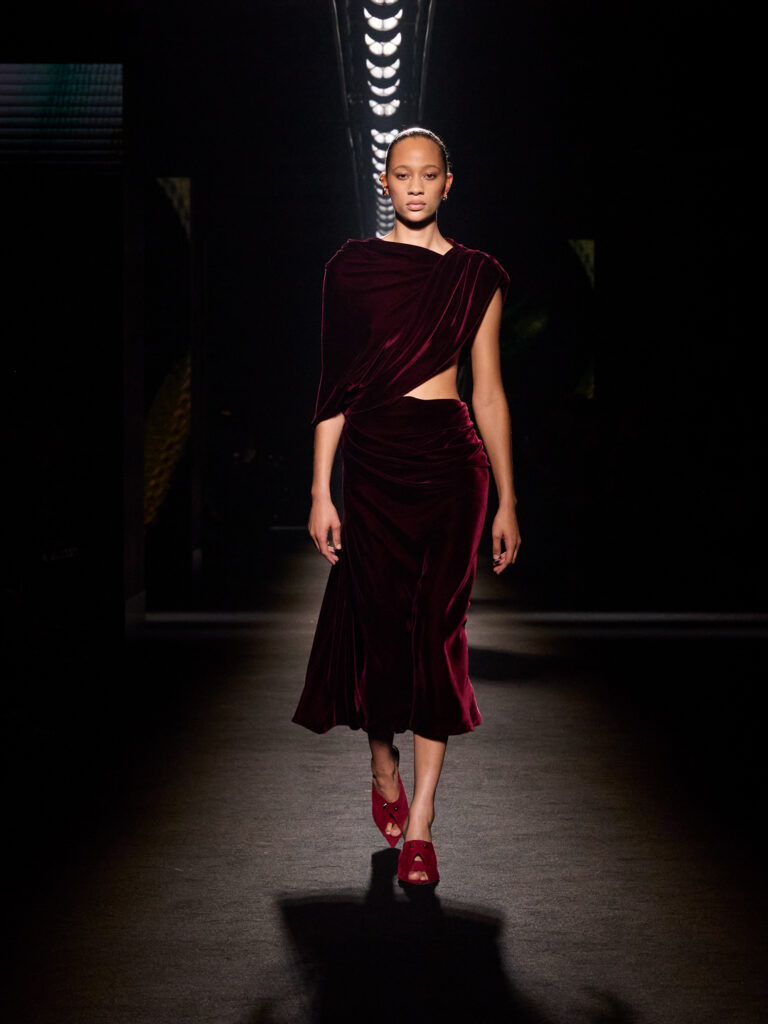
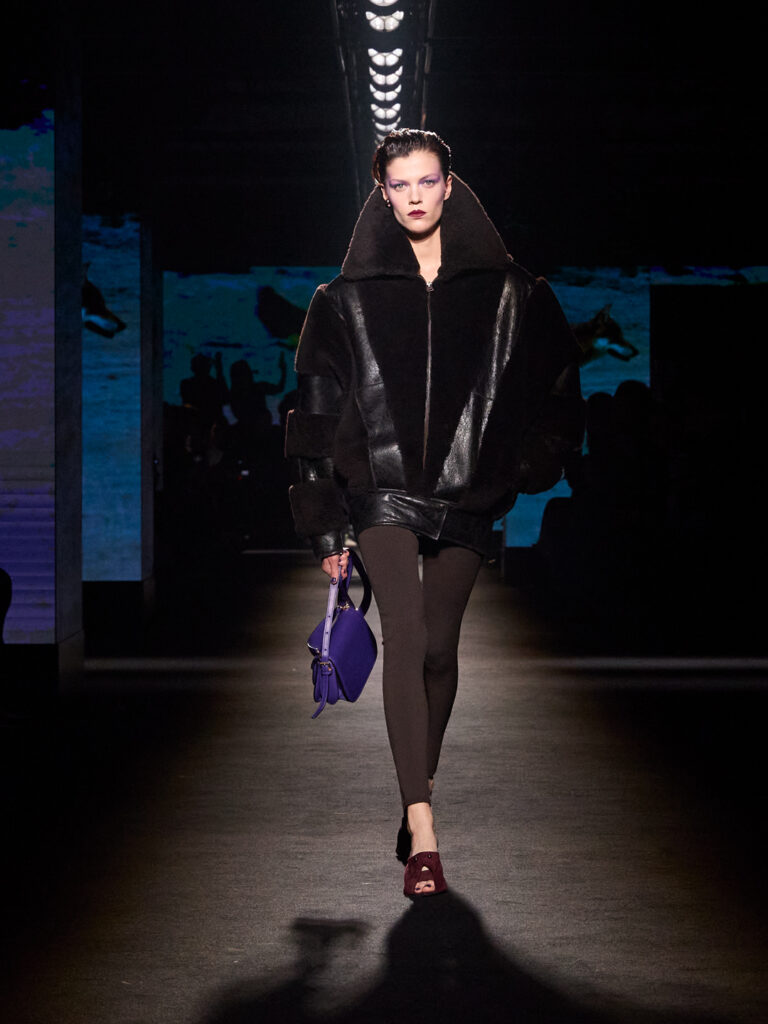
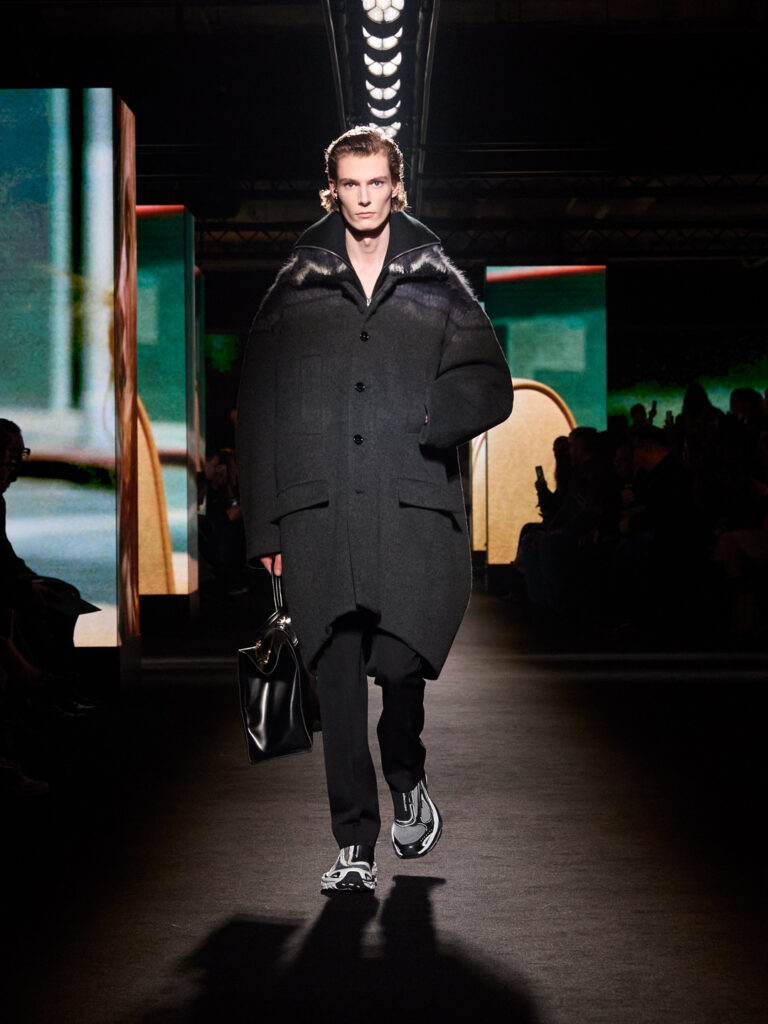
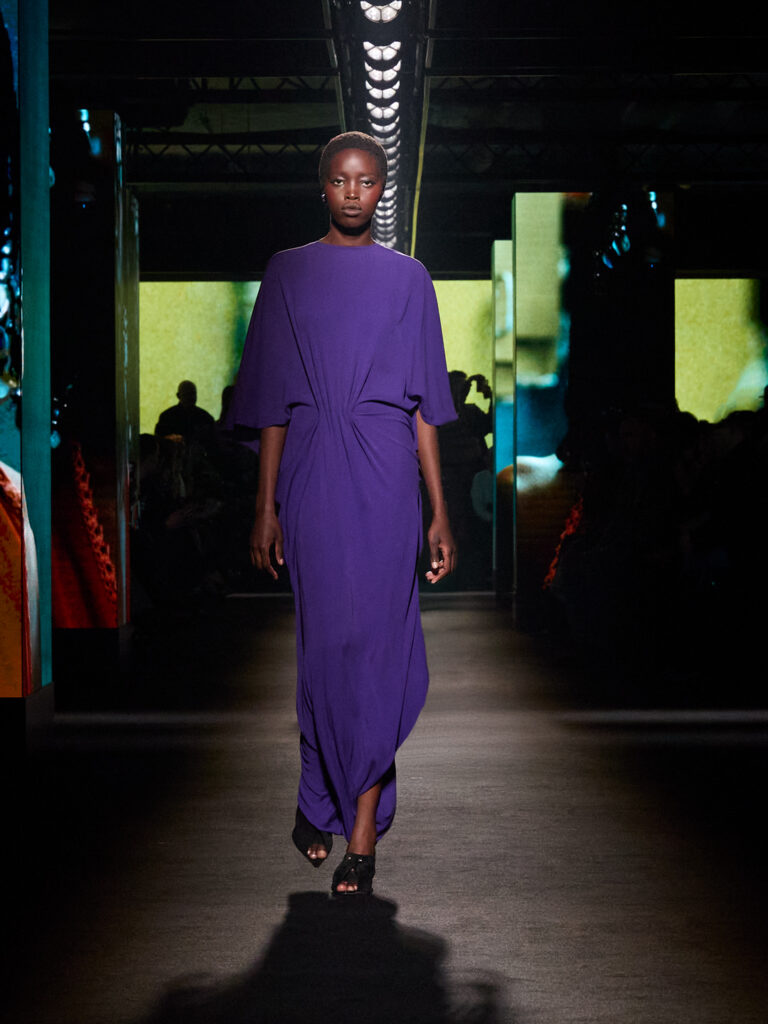
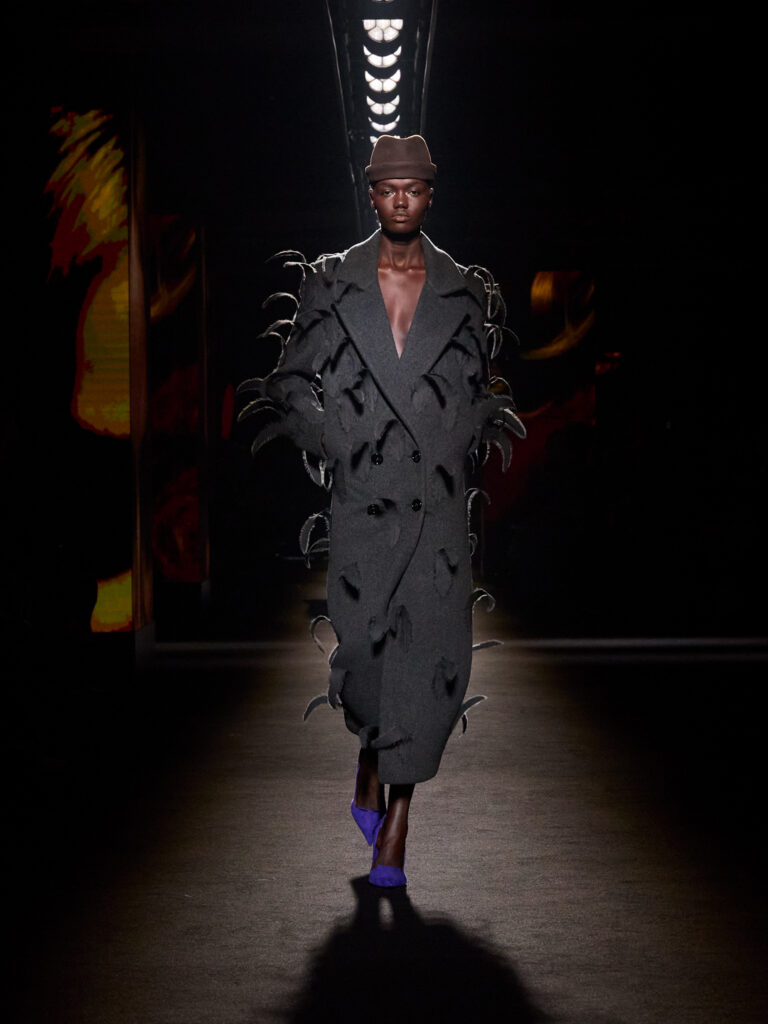
If Cristóbal Balenciaga was the “architect of fashion,” Mr. Piccioli is its humanist. Where the founder used fabric to create rigid, sculptural carapaces that stood away from the body, Mr. Piccioli uses it to frame the individual. Collars, hoods, and décolletages were cut to act as portraits, focusing the eye on the face, the seat of human emotion and identity.
“Metaphorically, darkness and light are explored as defining elements of the human condition,” the show notes read. It is a sentiment that feels remarkably grounded.
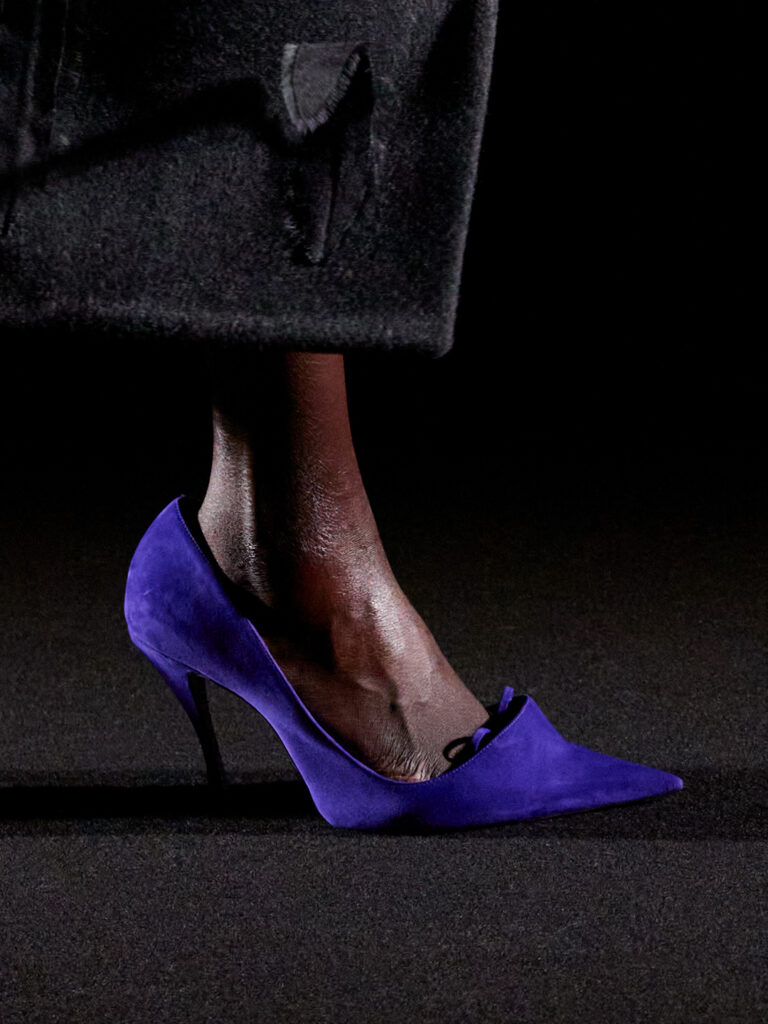
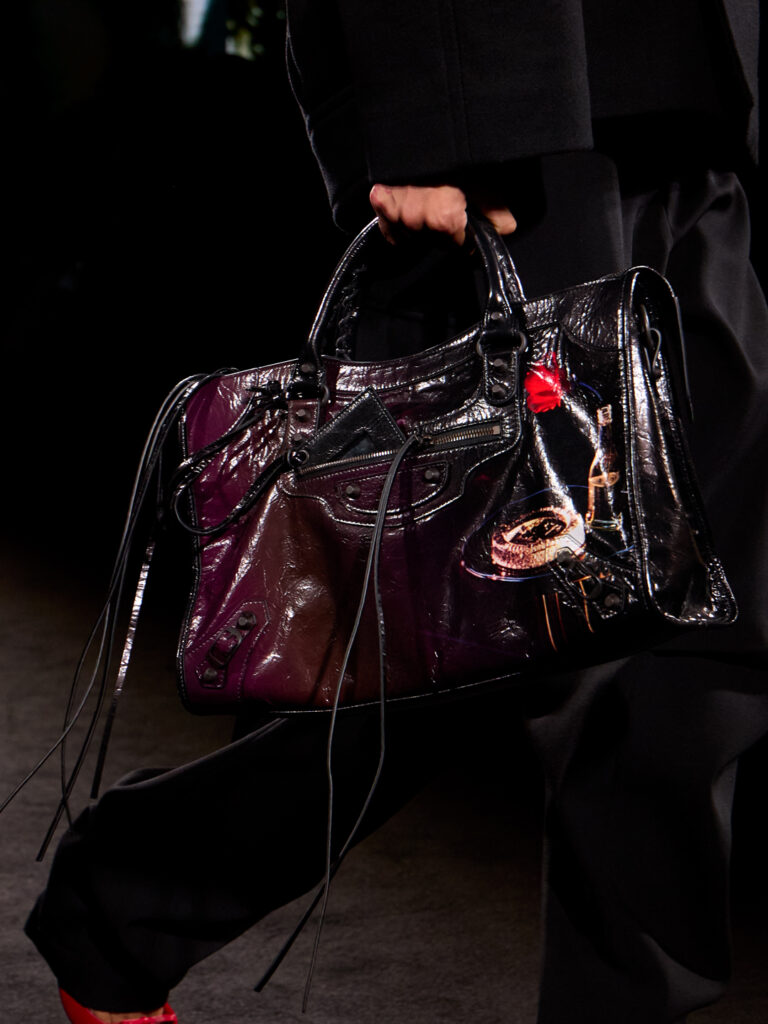
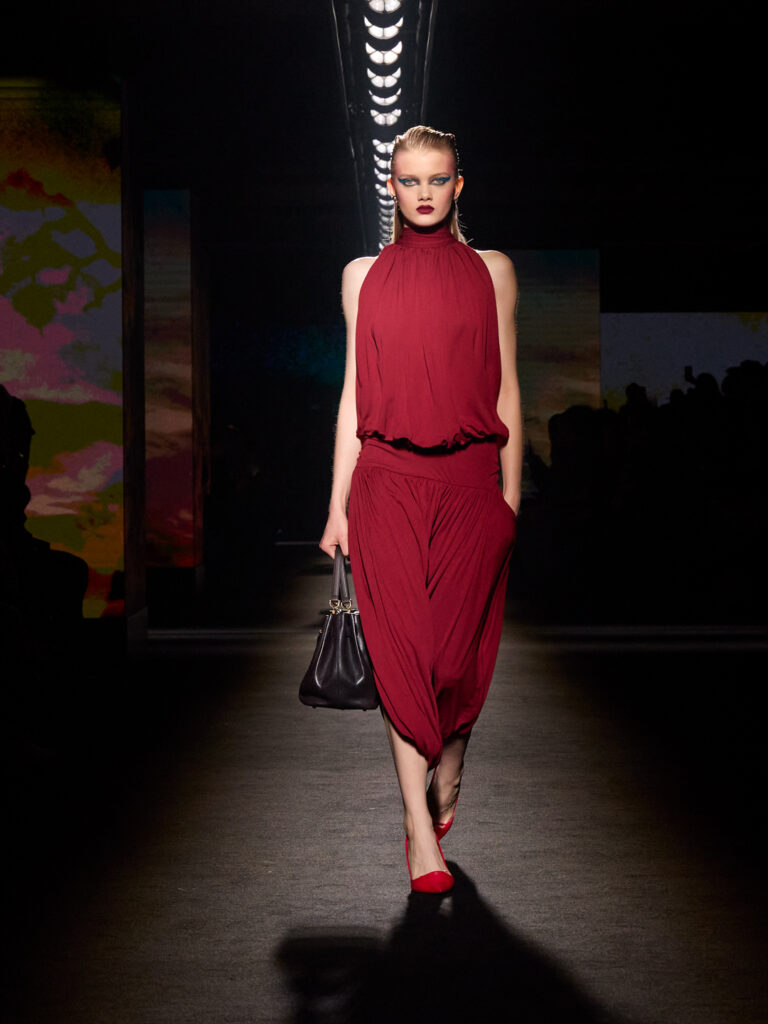
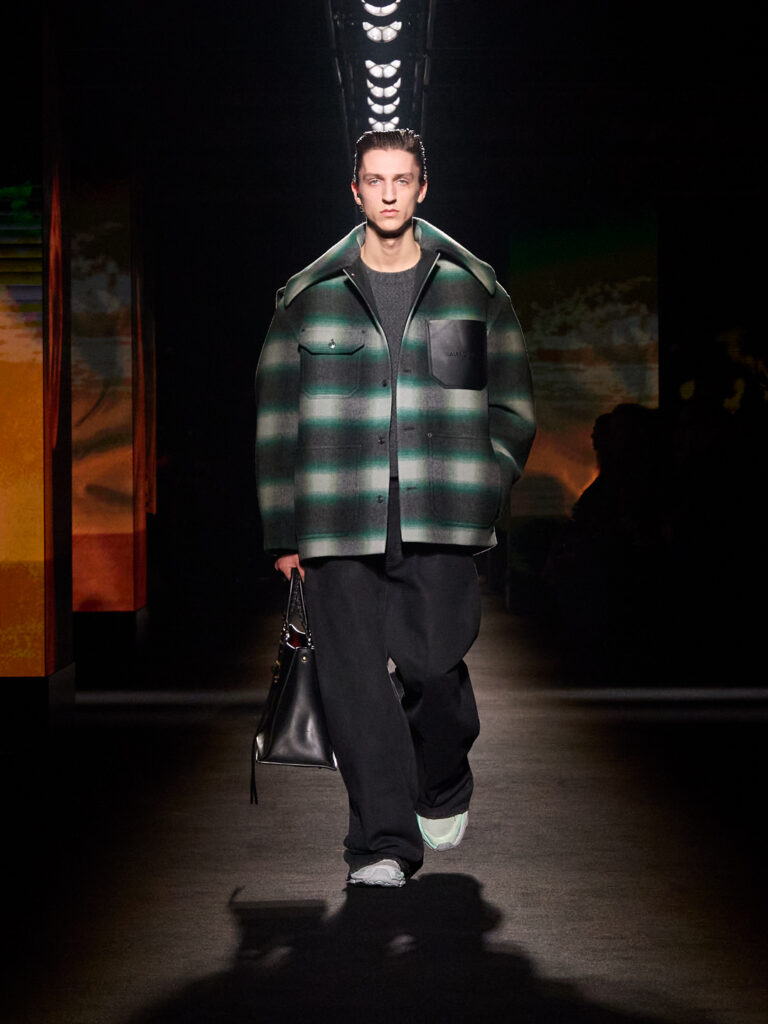
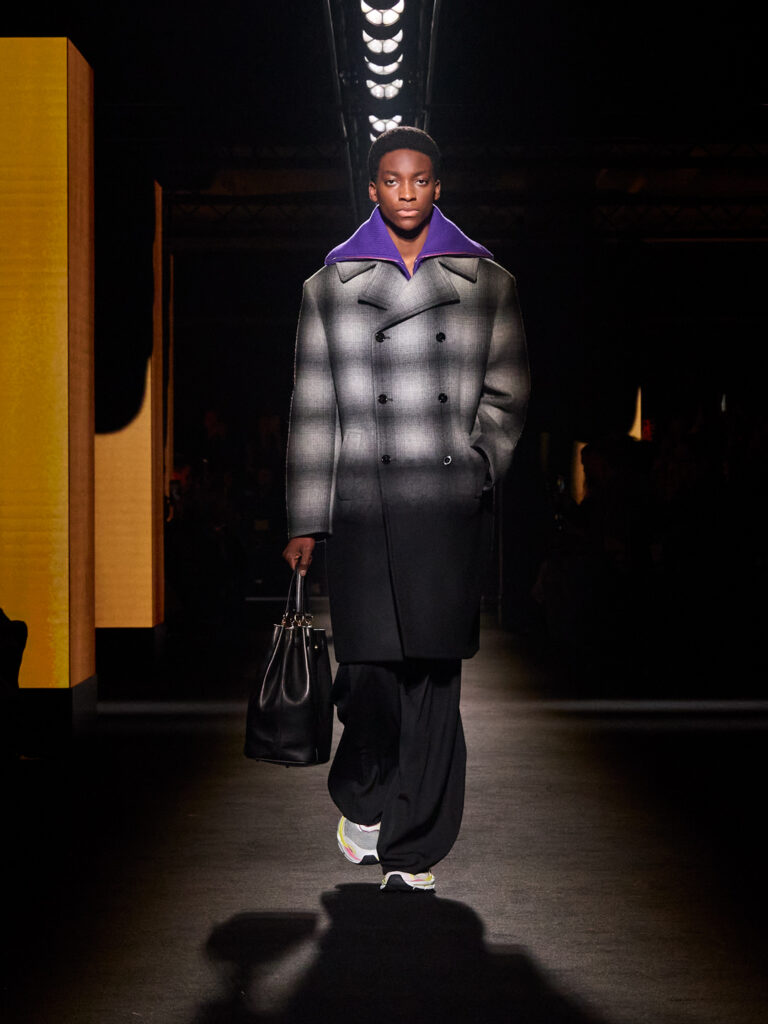
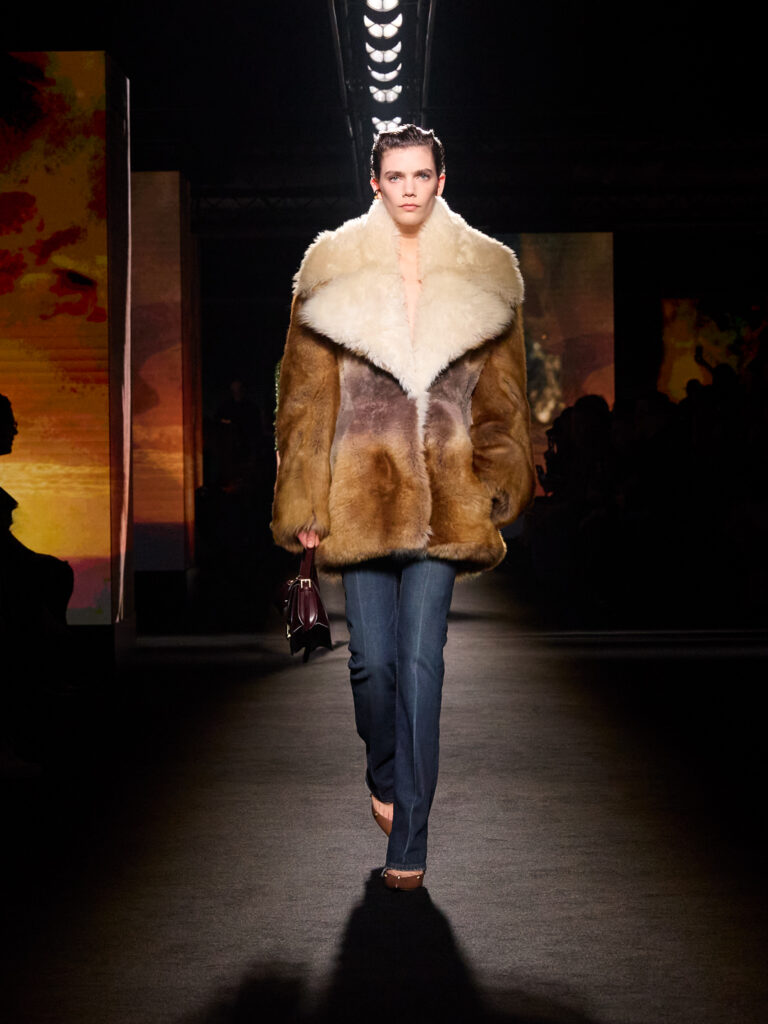
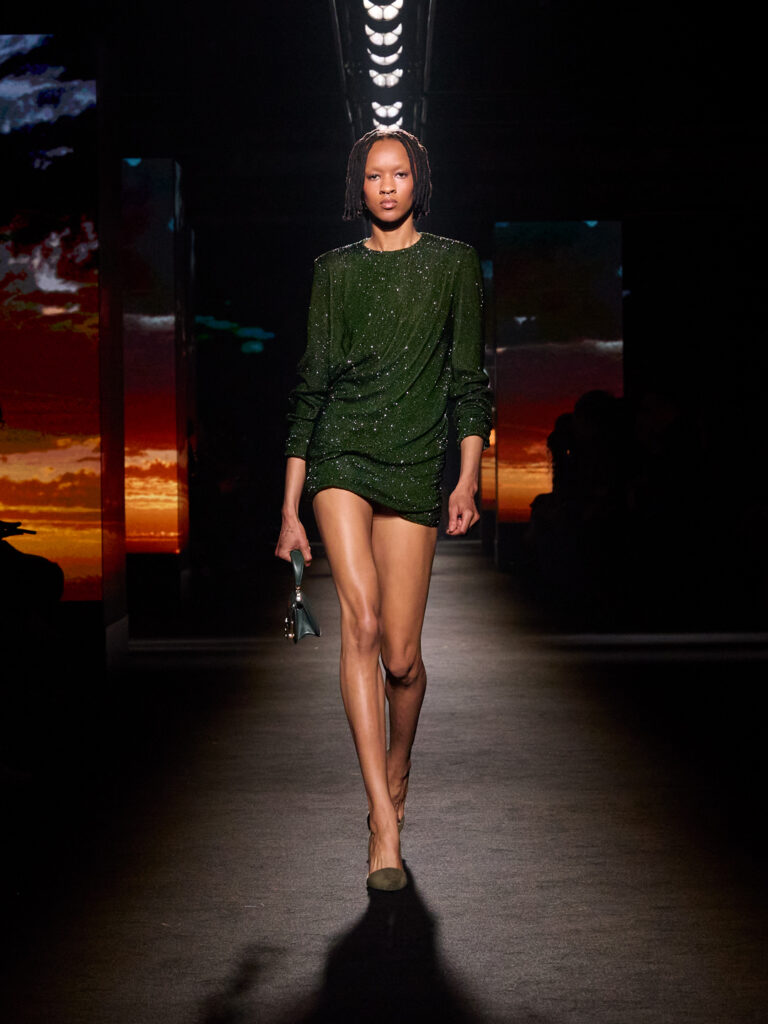
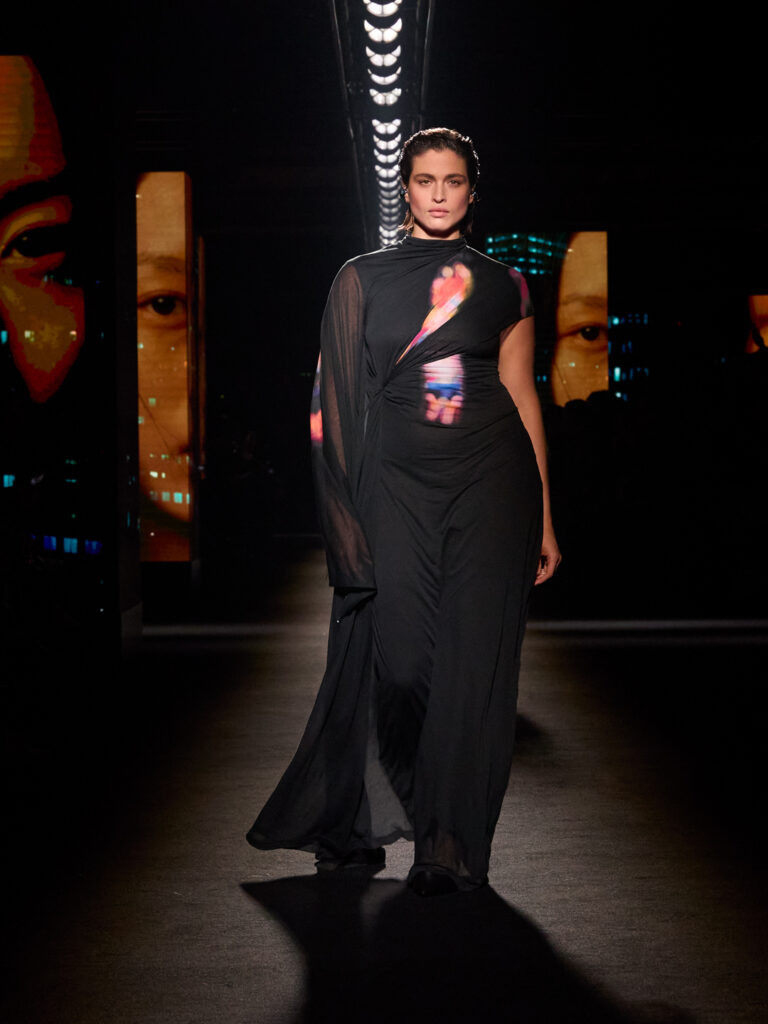
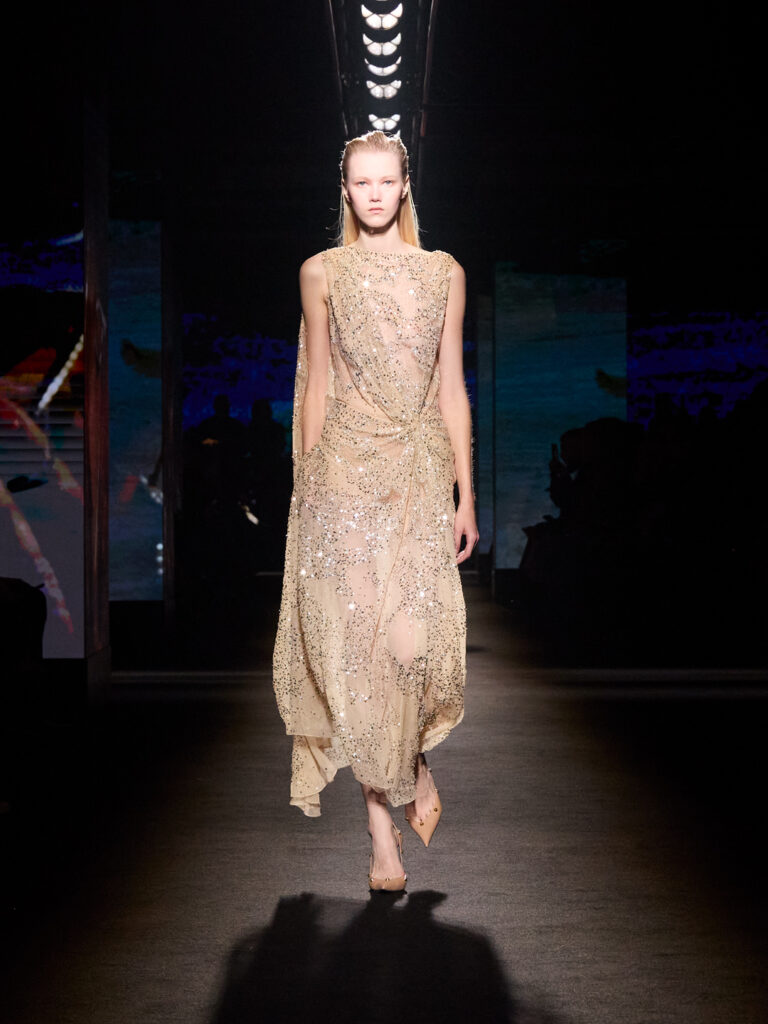
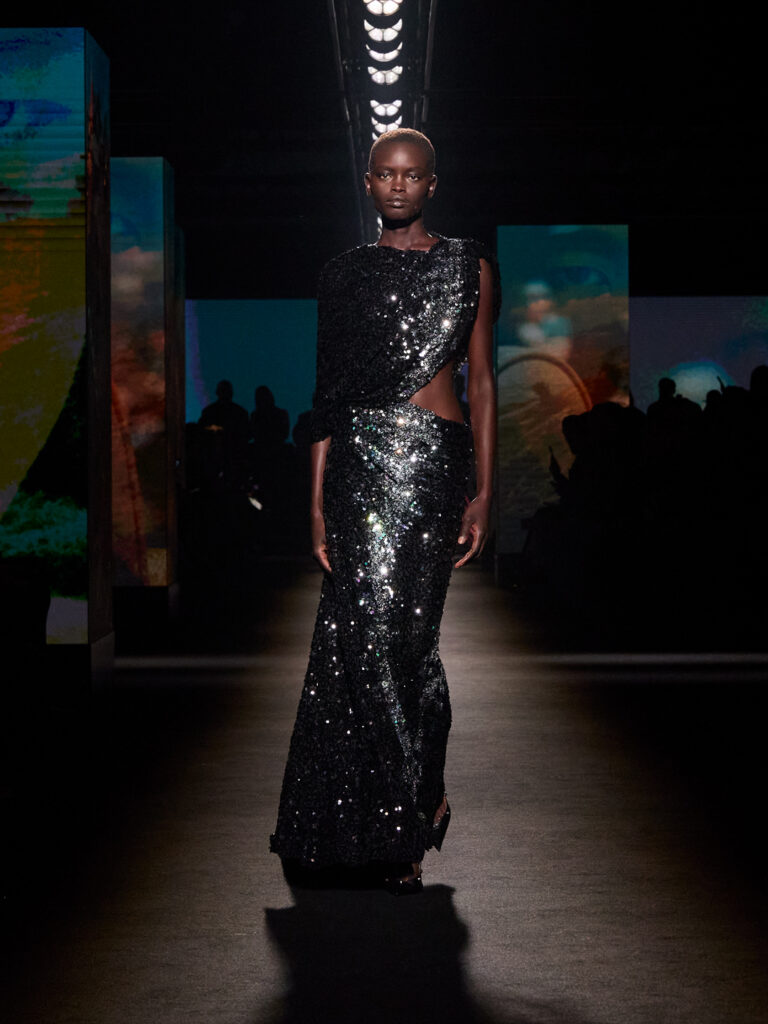
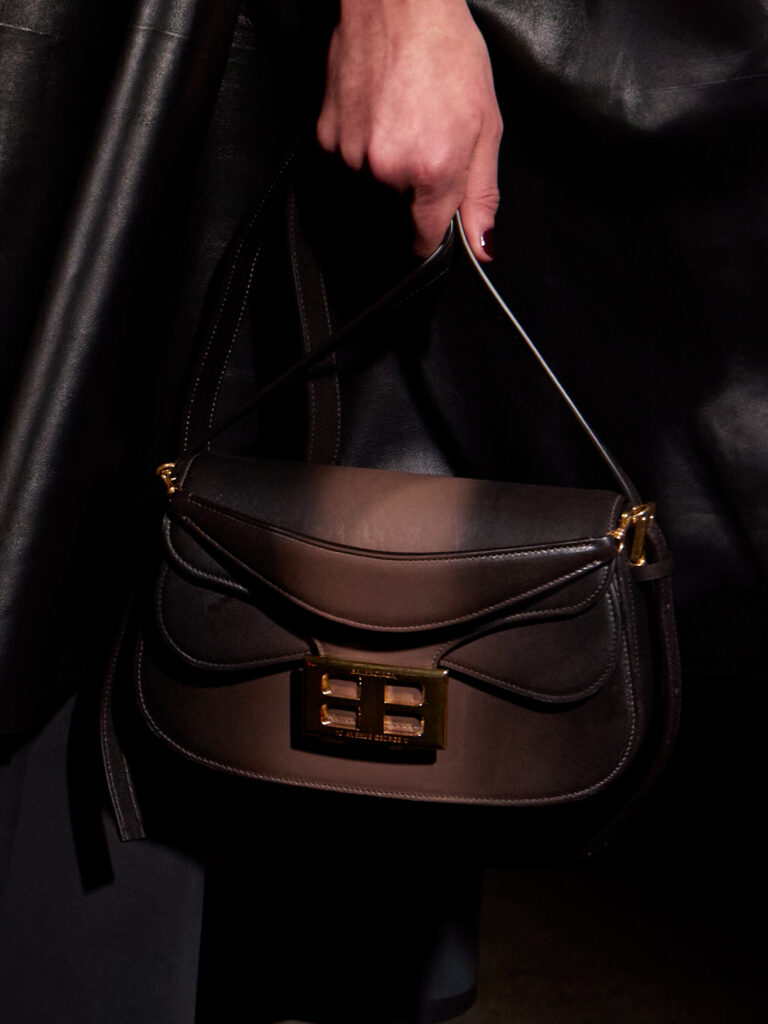
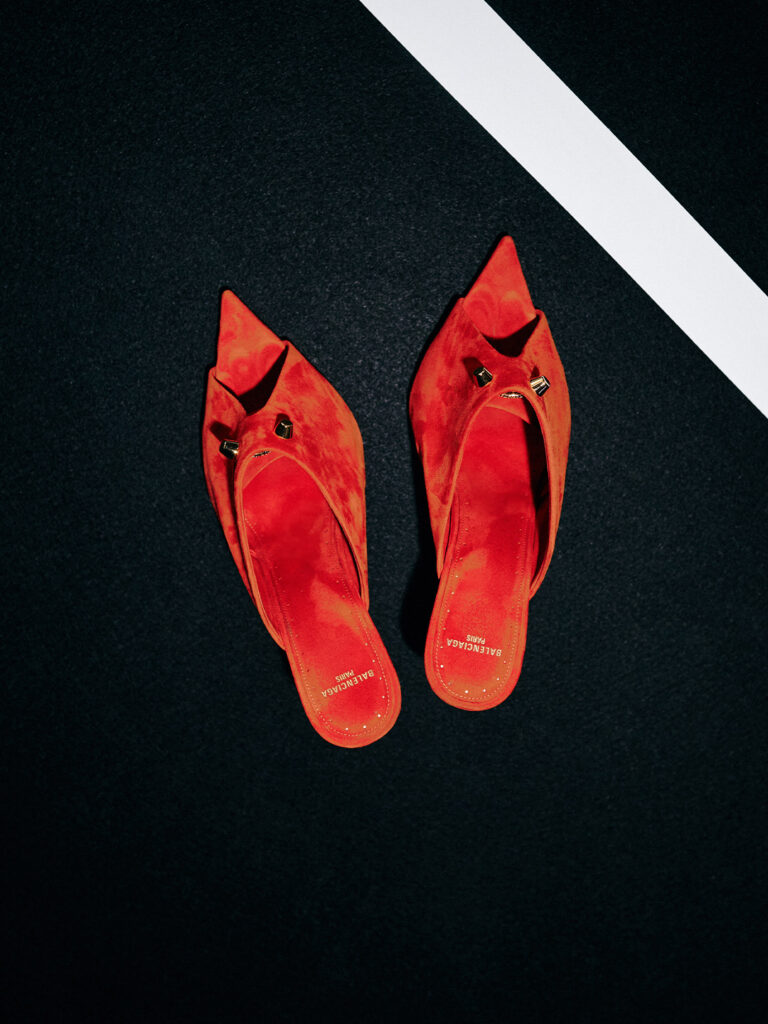
The clothes themselves were a study in what Mr. Piccioli calls “ephemeral eternality.” There were dresses where the effects of light and shadow were frozen in meticulous embroidery, and the new “Midnight City” bag seemed to capture the very essence of a gloaming sky. The collaboration with J.M. Weston, the venerable French shoemaker, resulted in footwear that twisted and folded around the foot, creating a sense of weightless suspension that felt both magical and deeply considered.
The Balenciaga Pivot and The Piccioli Interpretation
The Technique Clair-obscur : Using light to draw out form, color, and shape.
The Structure : The human body as the internal architecture; “cocoon” shapes suspended.
The Accessory : The George Bag and the Midnight City bag; forms created by the space within.
The Footwear : J.M. Weston collaboration; manipulated leather that moves from the foot.
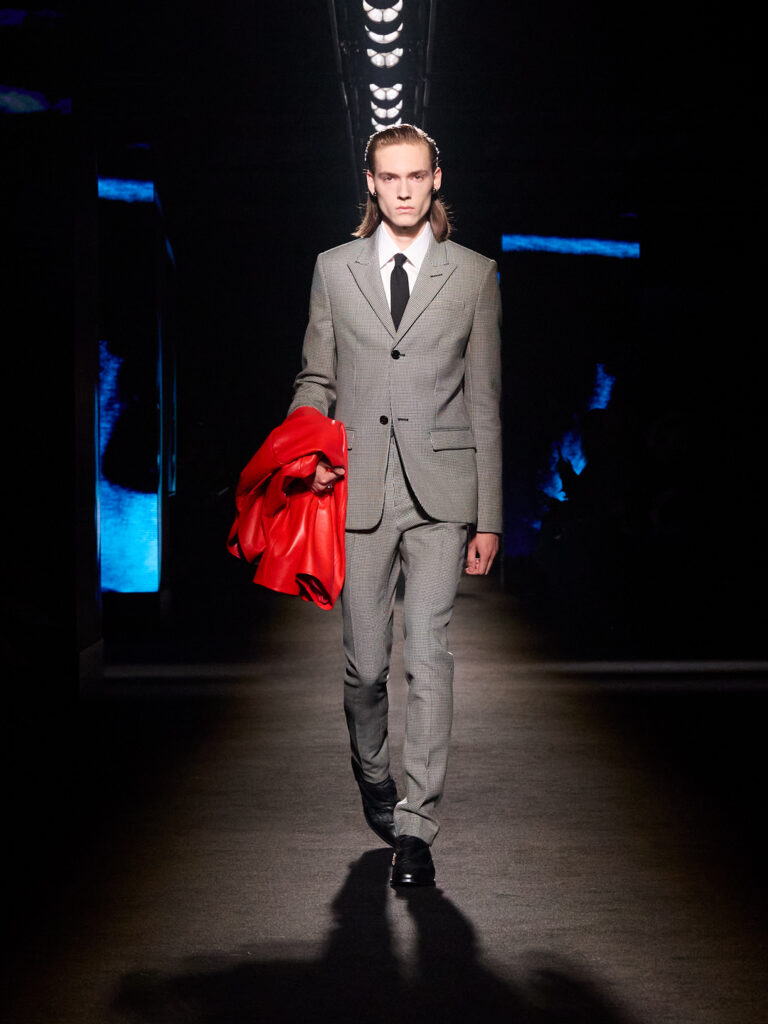
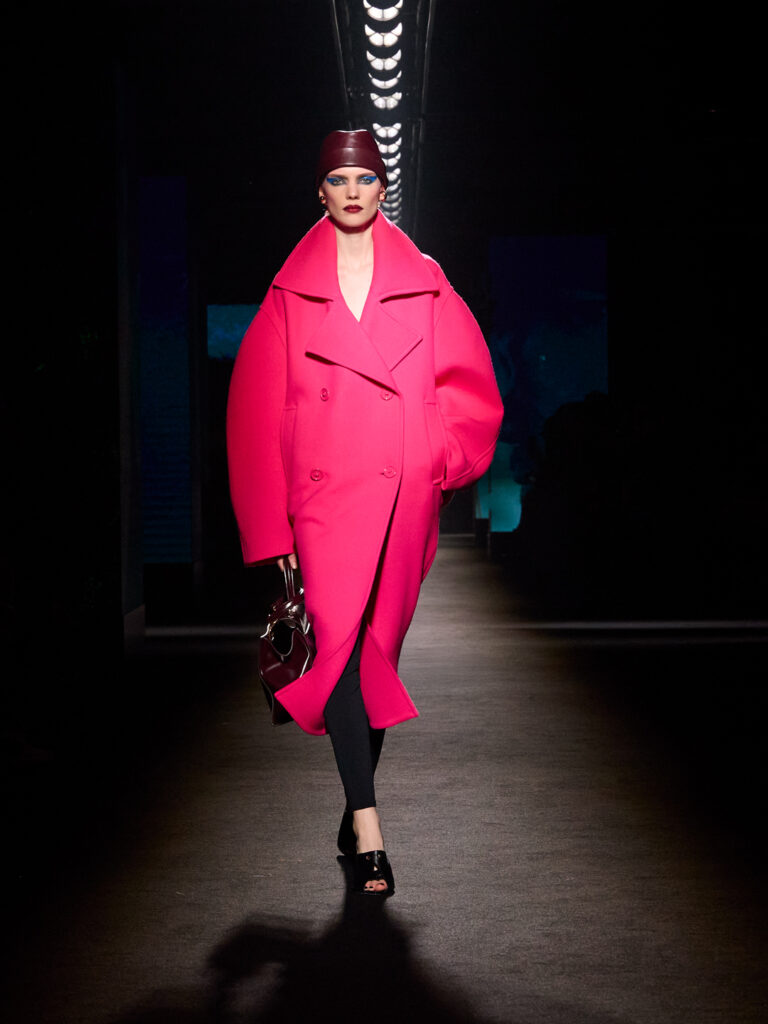
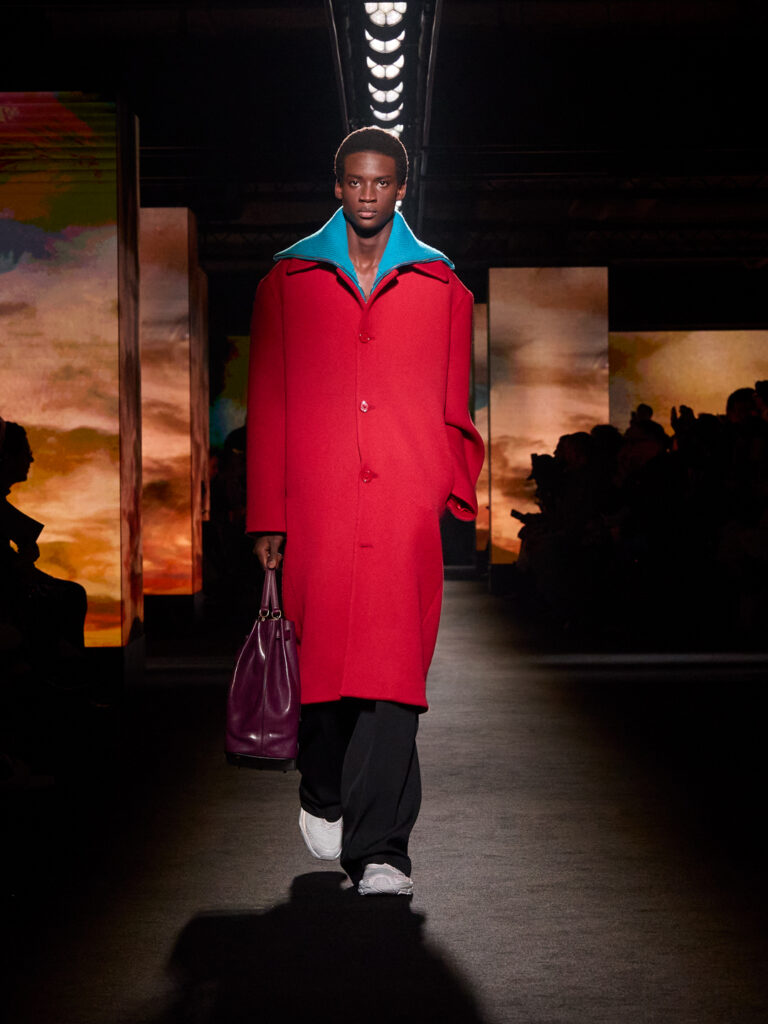
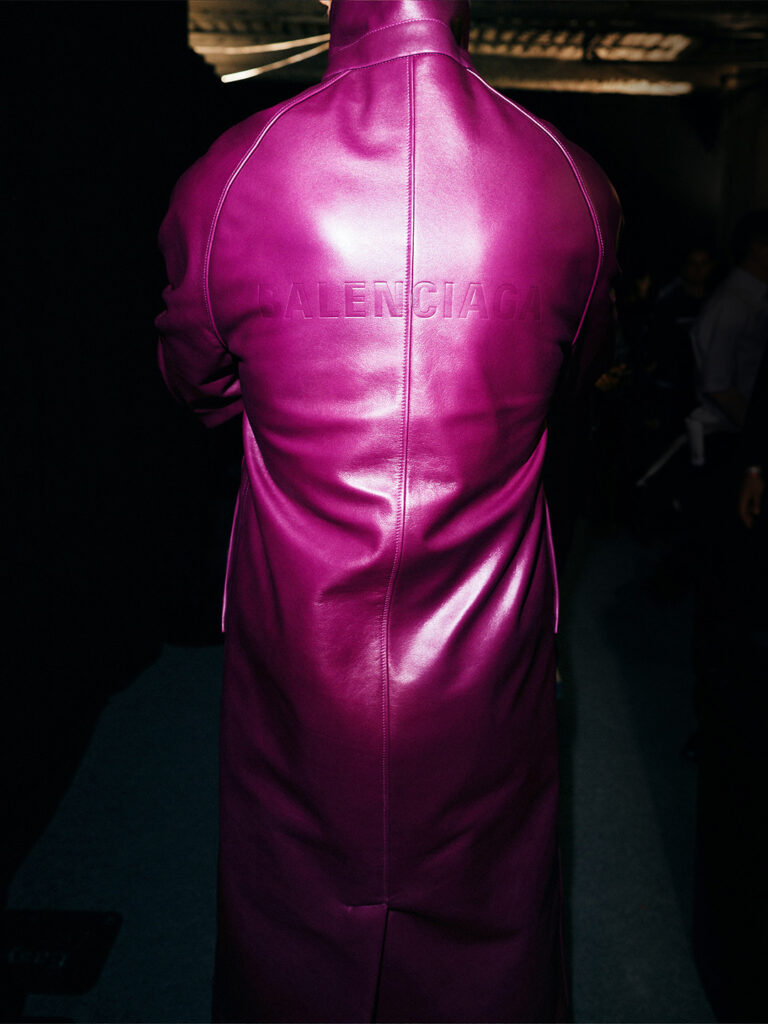
The palette, too, was a departure. While it began in the shadows of dense cashmere and supple black leather, it eventually exploded into what the brand called “phosphorescent intensity.” These were like resonant emotions, hues of red, green, and purple that seemed to radiate from within the fabric itself.
In the calculus of fashion’s current state, this collection represents a significant bet on the “contemporaneous.” It is a wardrobe of the “here and today,” designed for a collective power that celebrates individual force. By bringing together different generations on the runway, Mr. Piccioli created a “fresco of humanity”, where fashion, at its best, is a reflection of who we are, not just what we buy.
For Balenciaga, the transition from Demna’s high-concept irony to Piccioli’s high-renaissance humanism is more than just a change in aesthetic but a change in attitude. It suggests that in an increasingly dark and fragmented world, the role of the designer is no longer just to disrupt but to reveal.
Here, the collection seemed to say, “You can see the light.” And for the first time in a long time at Balenciaga, it felt like we were finally looking at the people, not just the clothes. Grazie, PierPaolo.