Photos Courtesy of Company
Story by Editor-in-Chief Carolina Ogliaro
Pierpaolo Piccioli’s ready-to-wear statement for Balenciaga arrives with air.
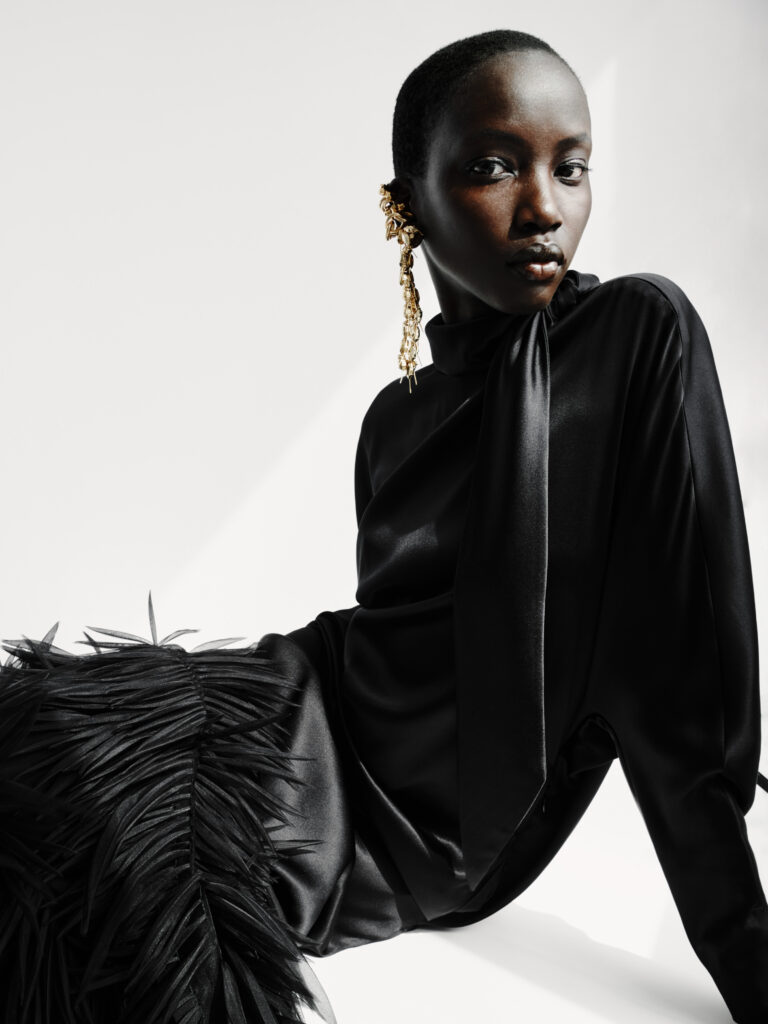
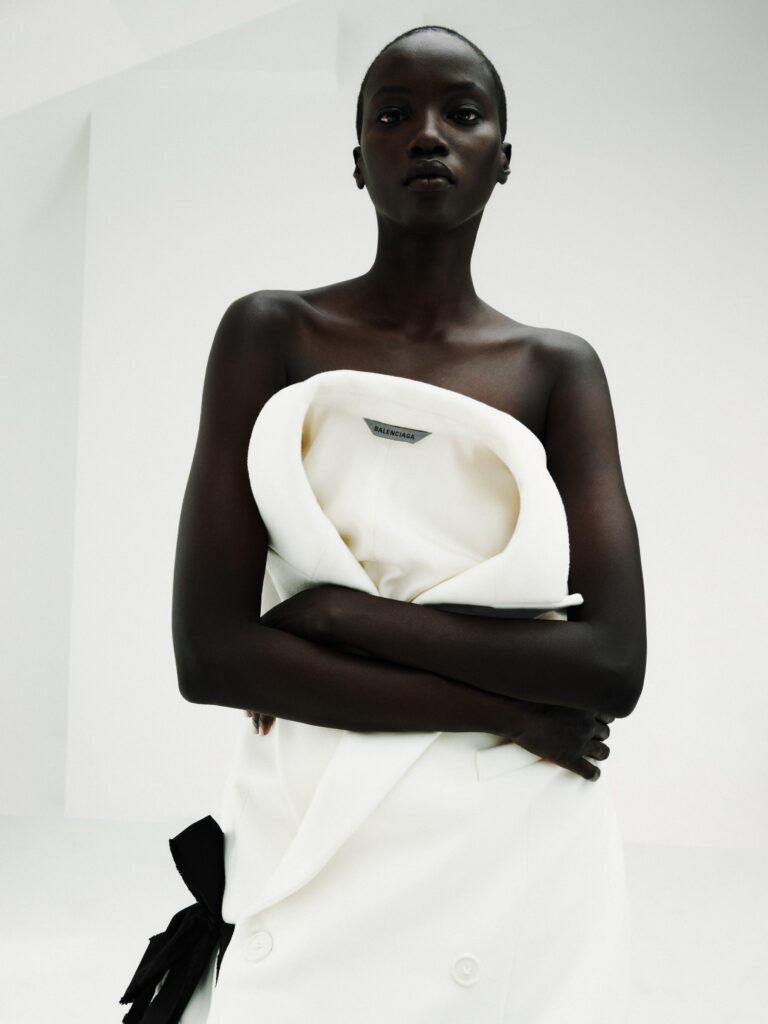
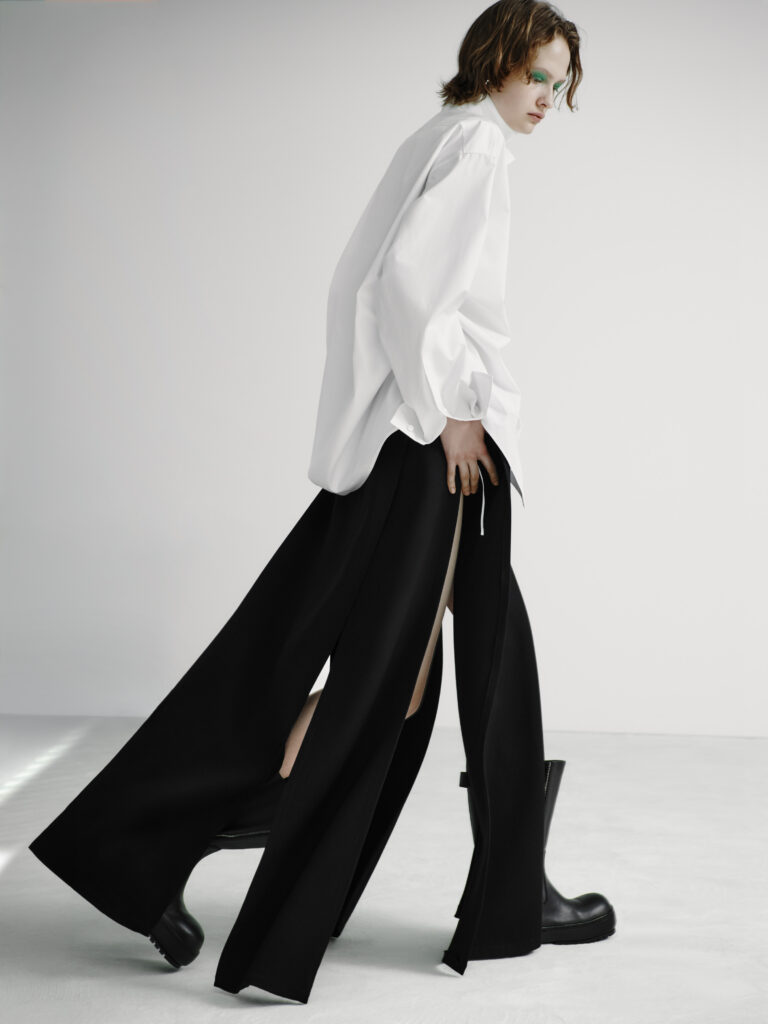
For Spring 2027, Piccioli proposes Unsized, a collection that dismantles many of fashion’s established certainties while returning to one of Cristóbal Balenciaga’s most radical convictions: that clothing should begin with the body, not impose itself upon it. With Spring 2027, Piccioli offers fashion what he has always believed in most: freedom.
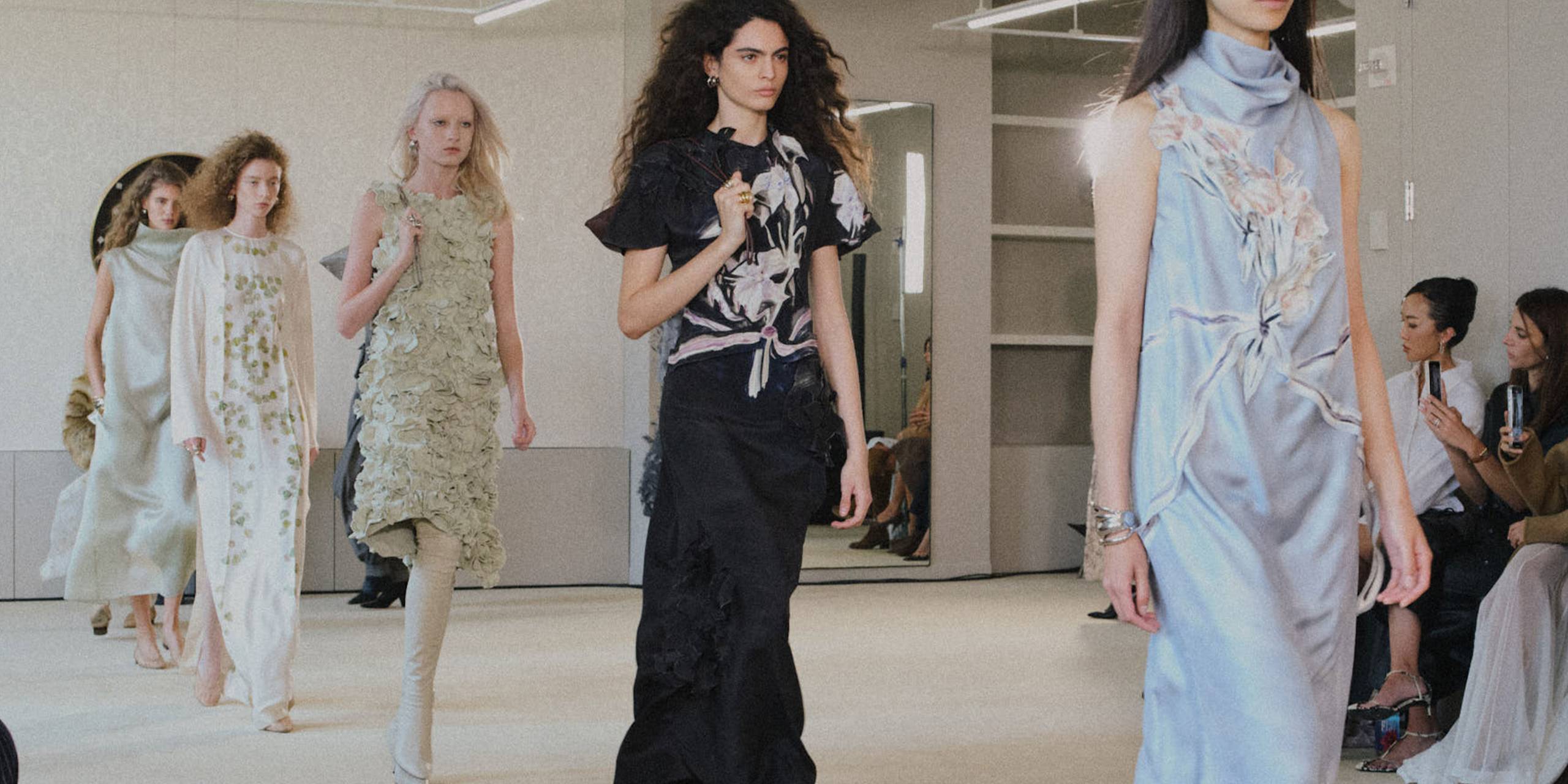
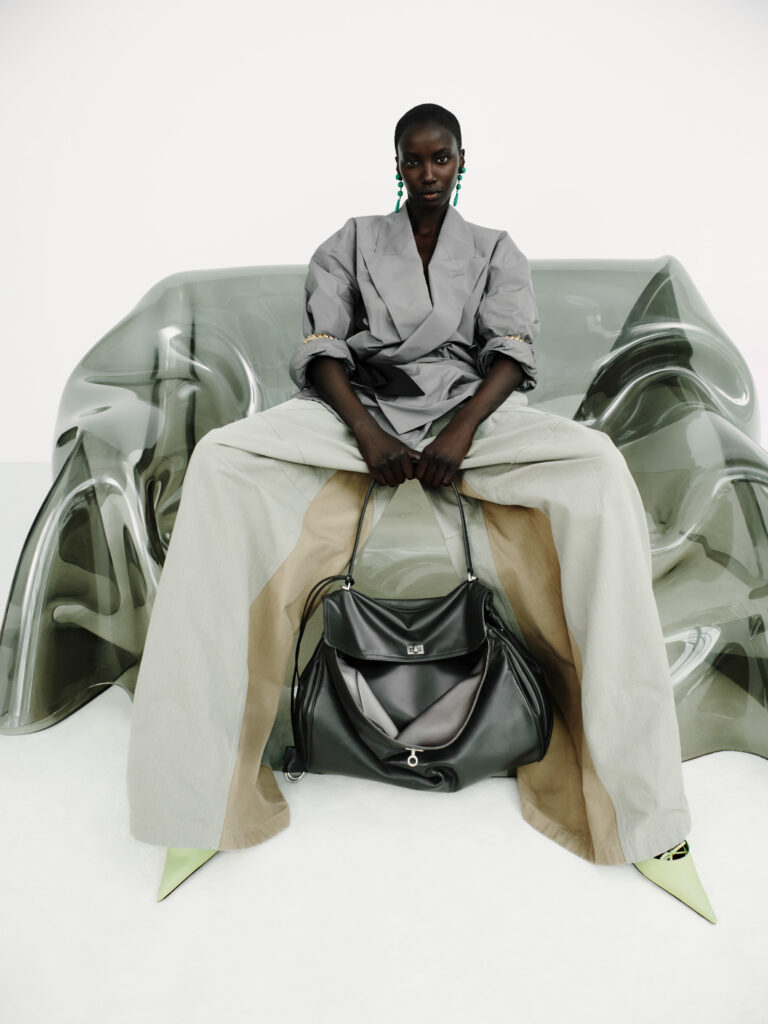
The collection revolves around the notion of the “unsized,” a concept that feels almost philosophical. Garments are neither strictly tailored nor intentionally oversized; instead, they exist in a state of fluid negotiation with the wearer. Ribbons of fabric cinch, release, and adjust. Construction becomes gesture. Couture becomes movement. And it is perhaps the lightest collection Balenciaga has ever produced, both physically and conceptually.
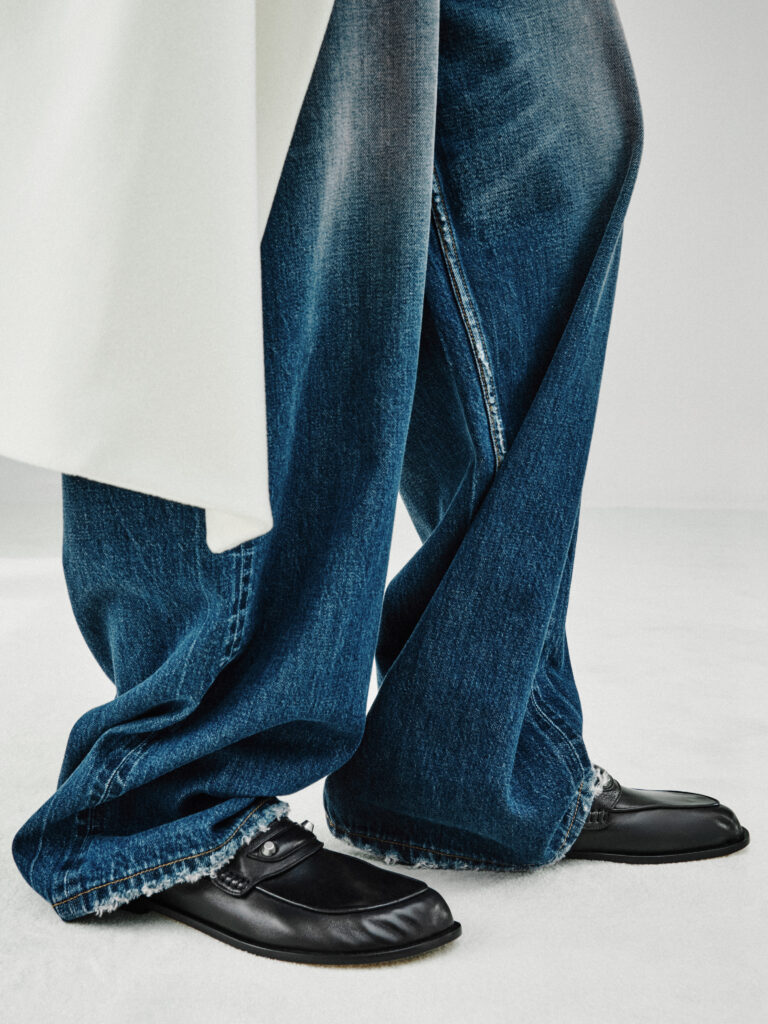
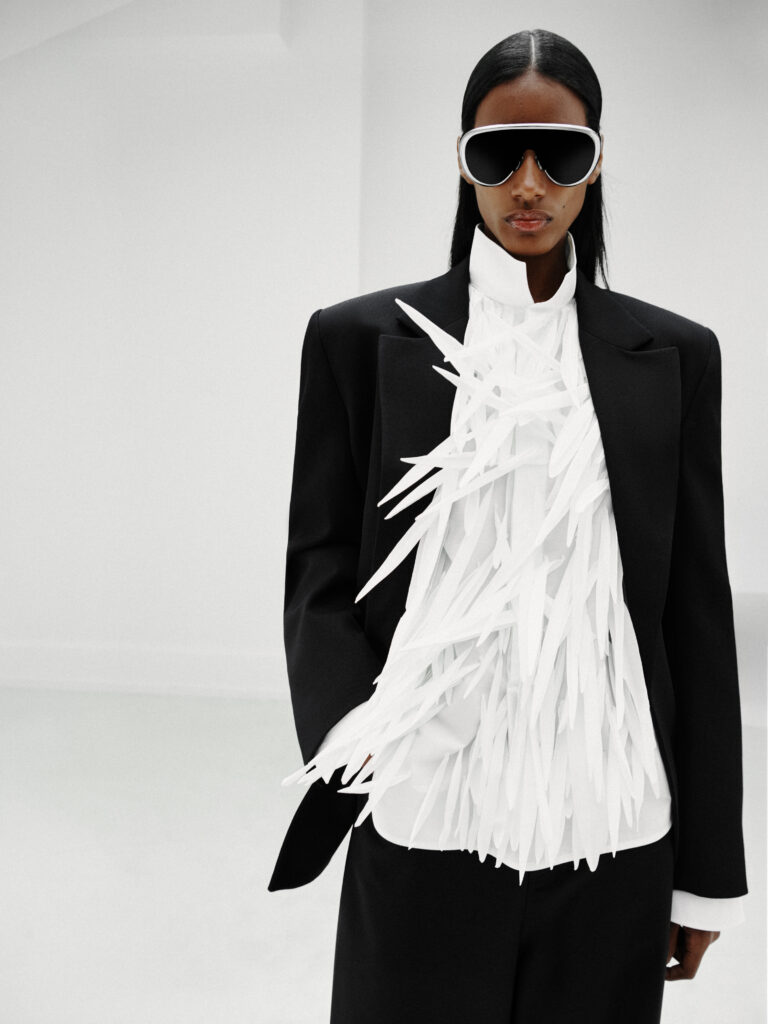
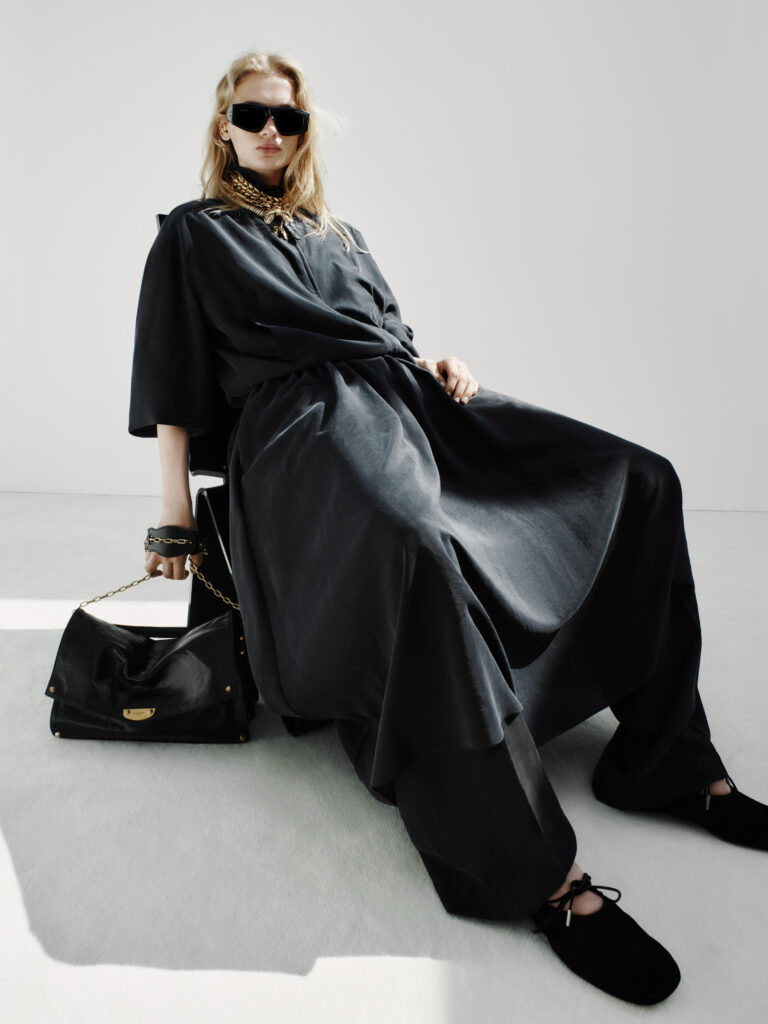
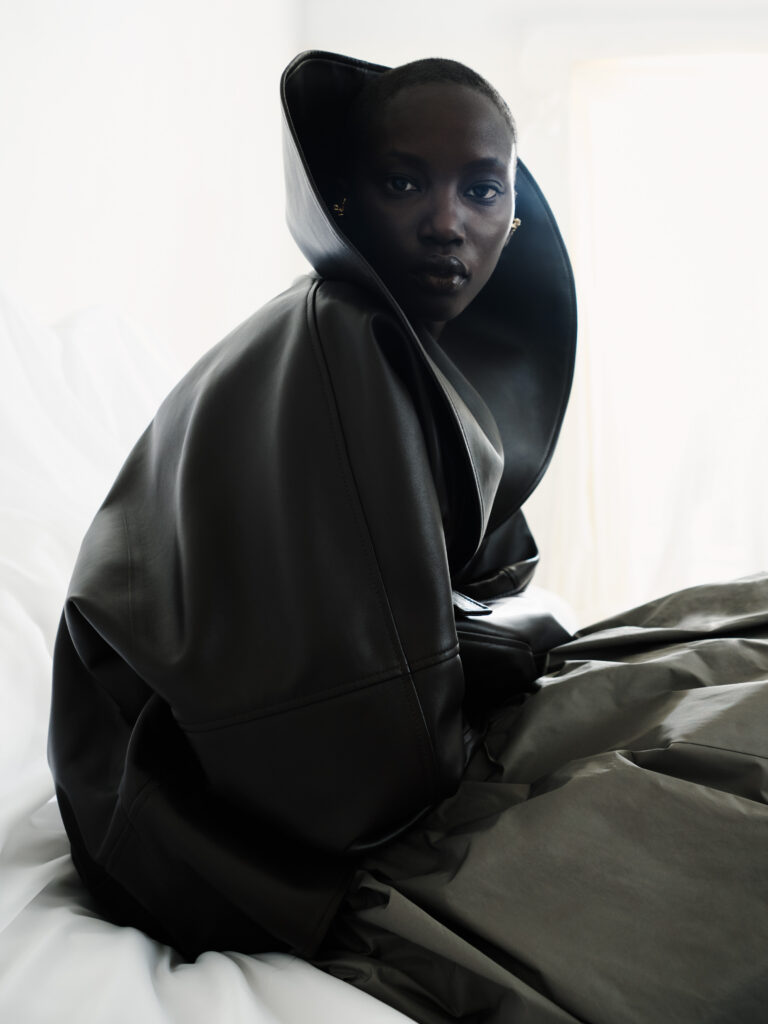
Piccioli strips the silhouette down to its essence, replacing structure with atmosphere. The house’s historic vocabulary, like balloon, cocoon, drape, remains present, but no longer as architectural declarations. Here they breathe. Shapes appear and disappear with motion, responding to the body and not pushing it. The result is clothing that feels alive, constantly shifting between vision and accident.
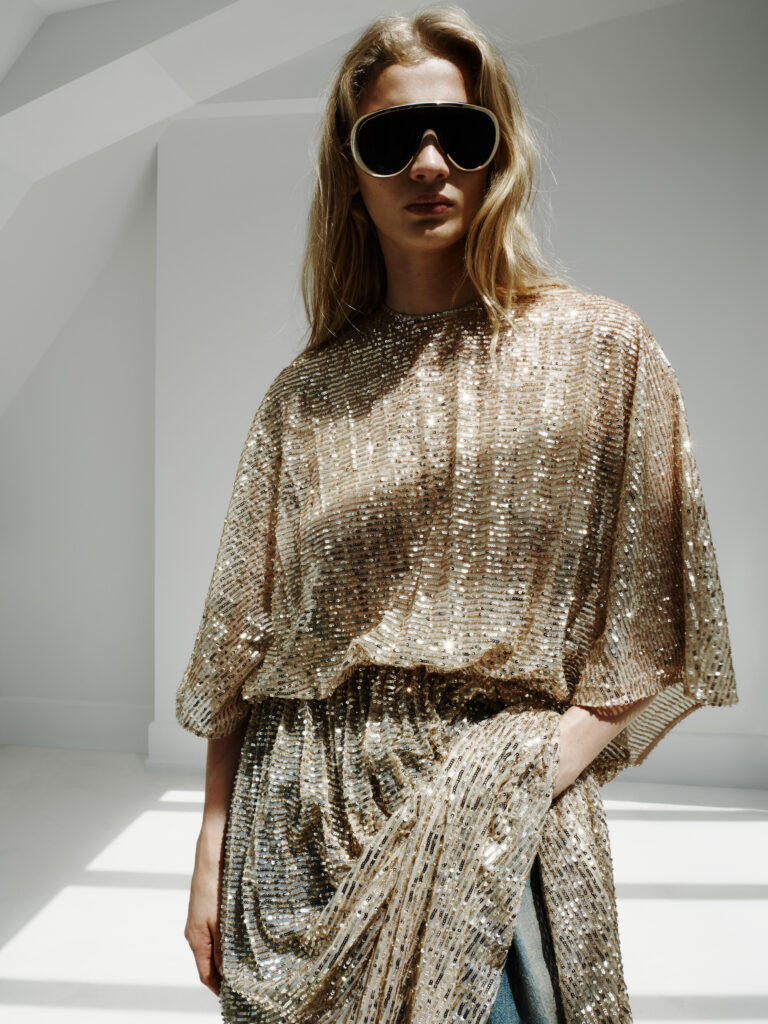
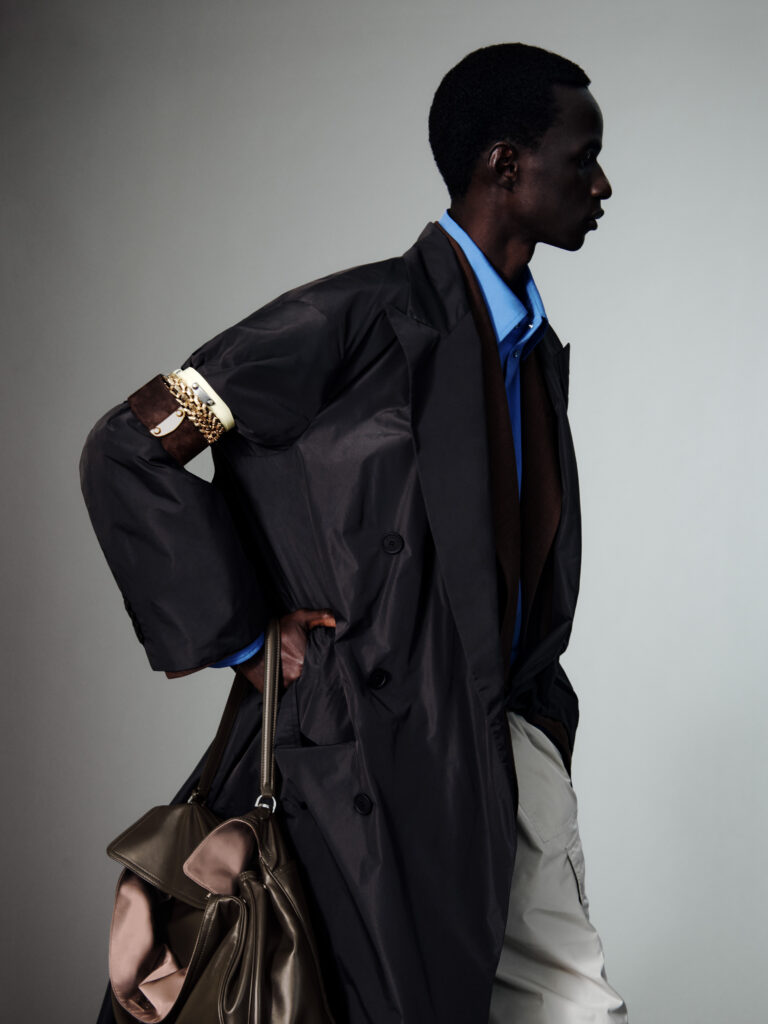
Material innovation remains central to the Balenciaga narrative. A newly developed featherweight techno-taffeta becomes the season’s defining fabric, transforming familiar wardrobe archetypes into something almost immaterial. Double cashmere, kid mohair, poplin and denim are similarly reimagined through a lens of reduction. Entire looks weigh less than a kilogram and yet never feel insubstantial.
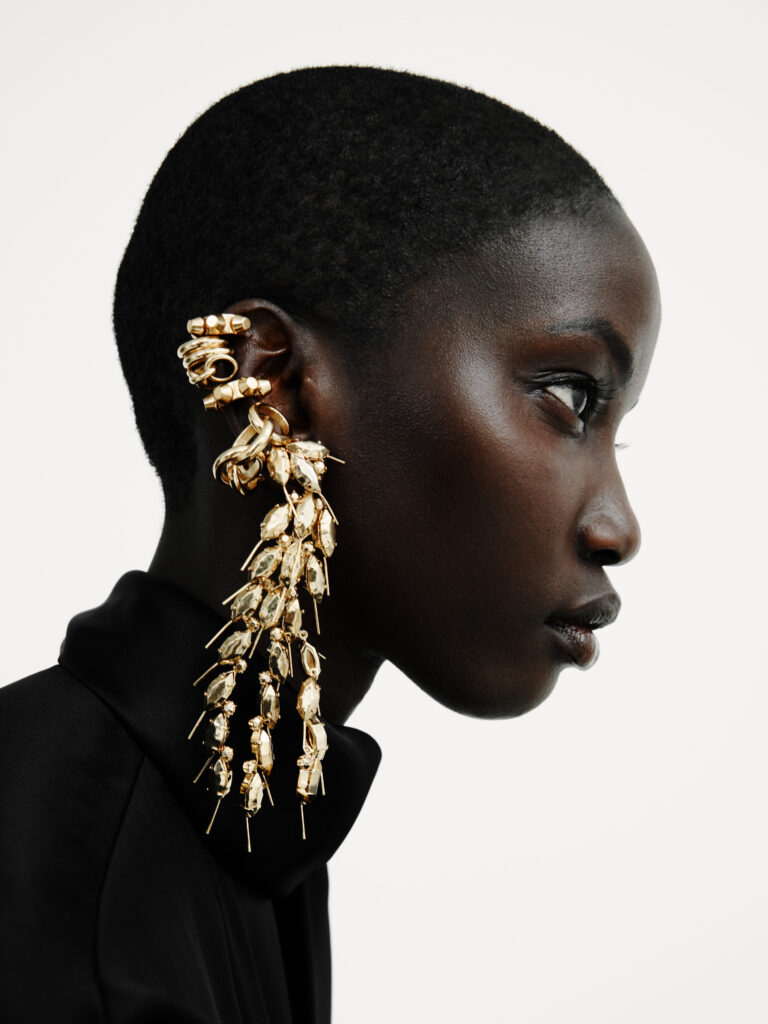
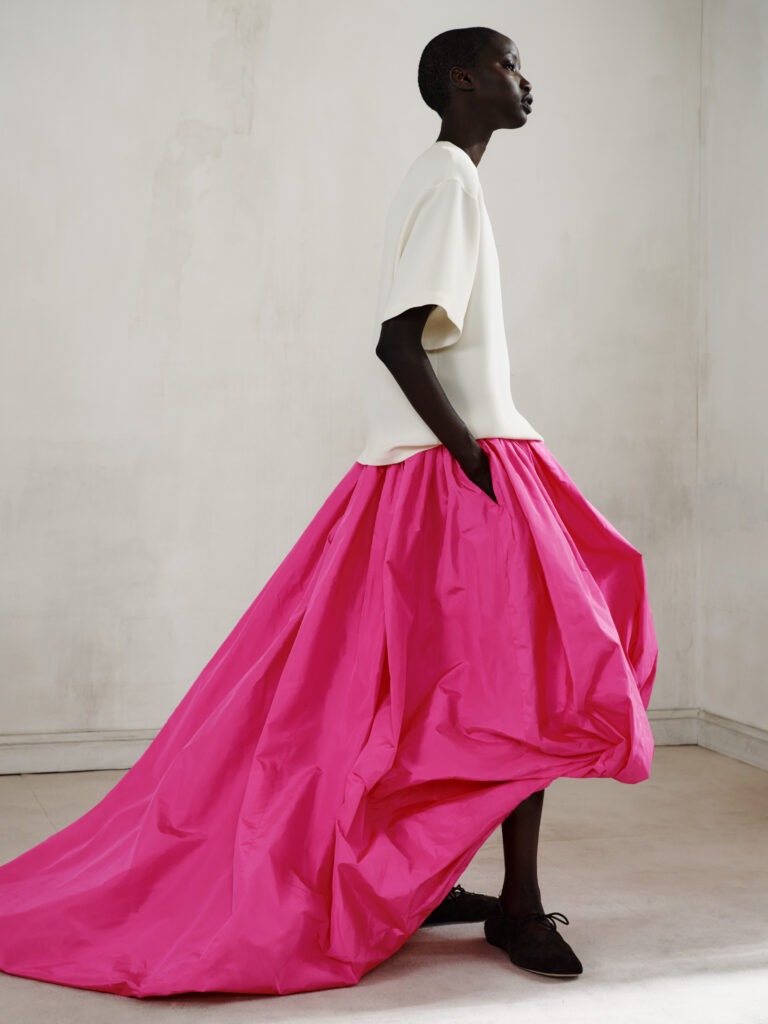
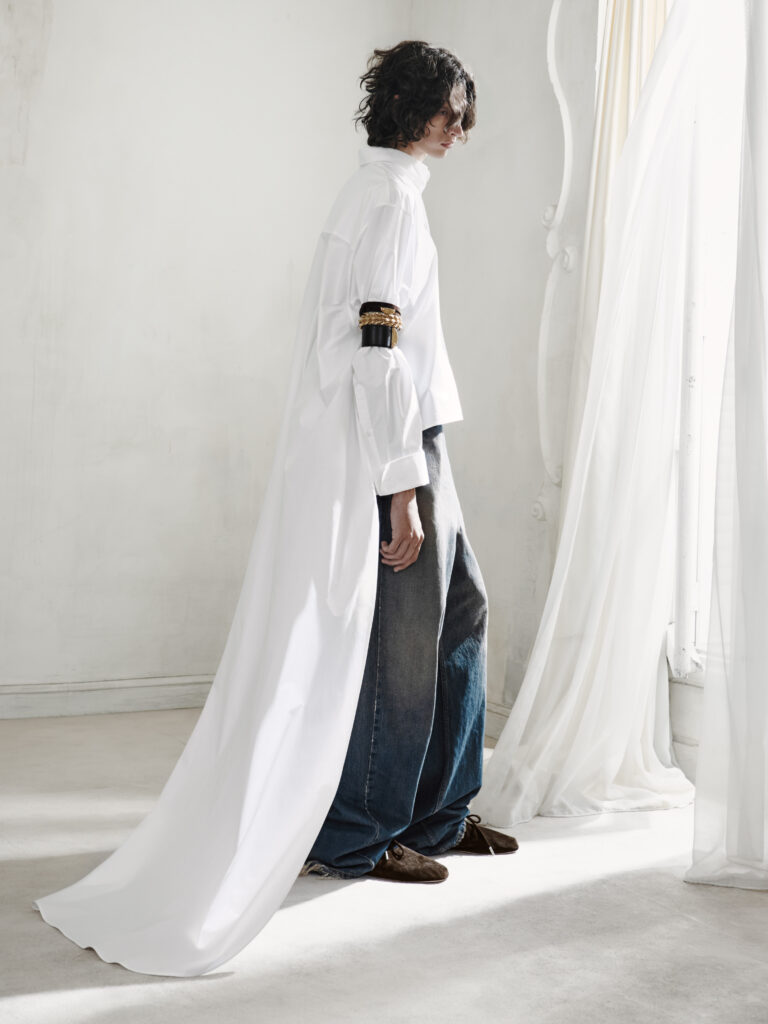
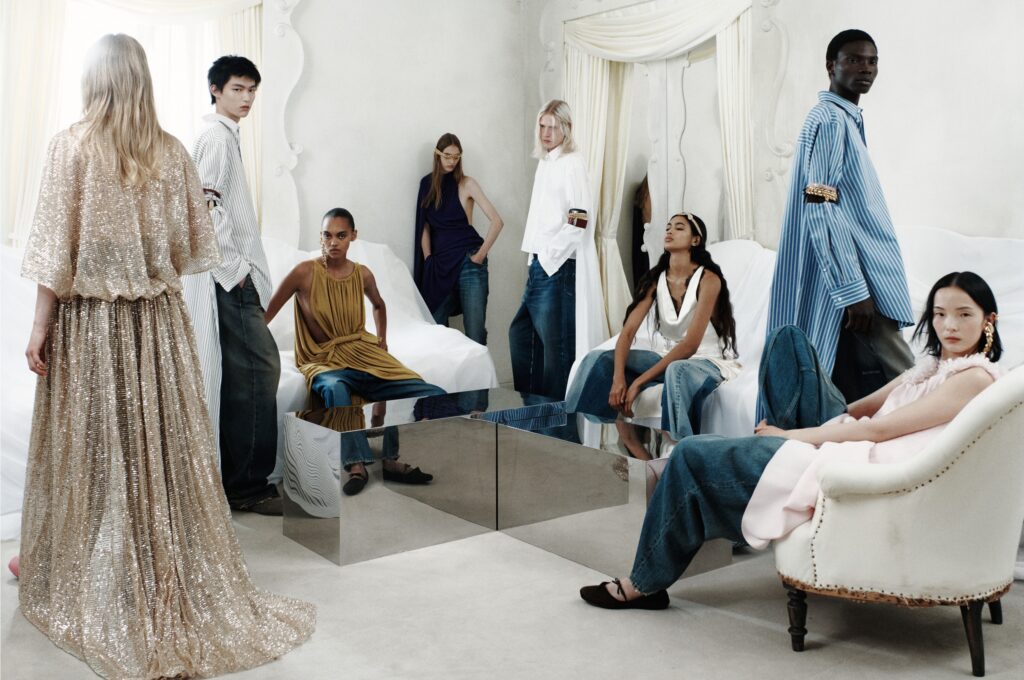
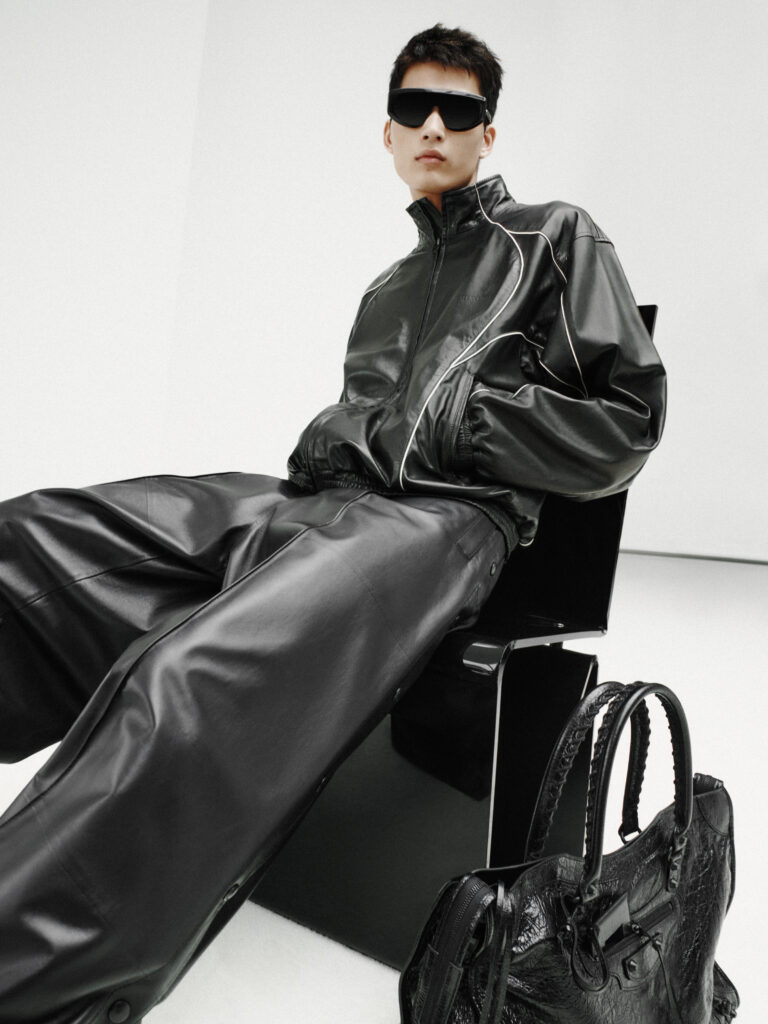
The collection’s real provocation, however, lies in its attitude toward dressing itself. Jeans emerge beneath plissé evening gowns. Technical outerwear interrupts tailoring. Shirts trail behind the body with the grandeur of couture trains, while evening dresses adopt the ease and nonchalance of a favorite T-shirt. Traditional distinctions between formal and informal, day and night, luxury and utility dissolve into something more reflective of contemporary life. Piccioli is not interested in prescribing how people should dress. He is observing how they already do.
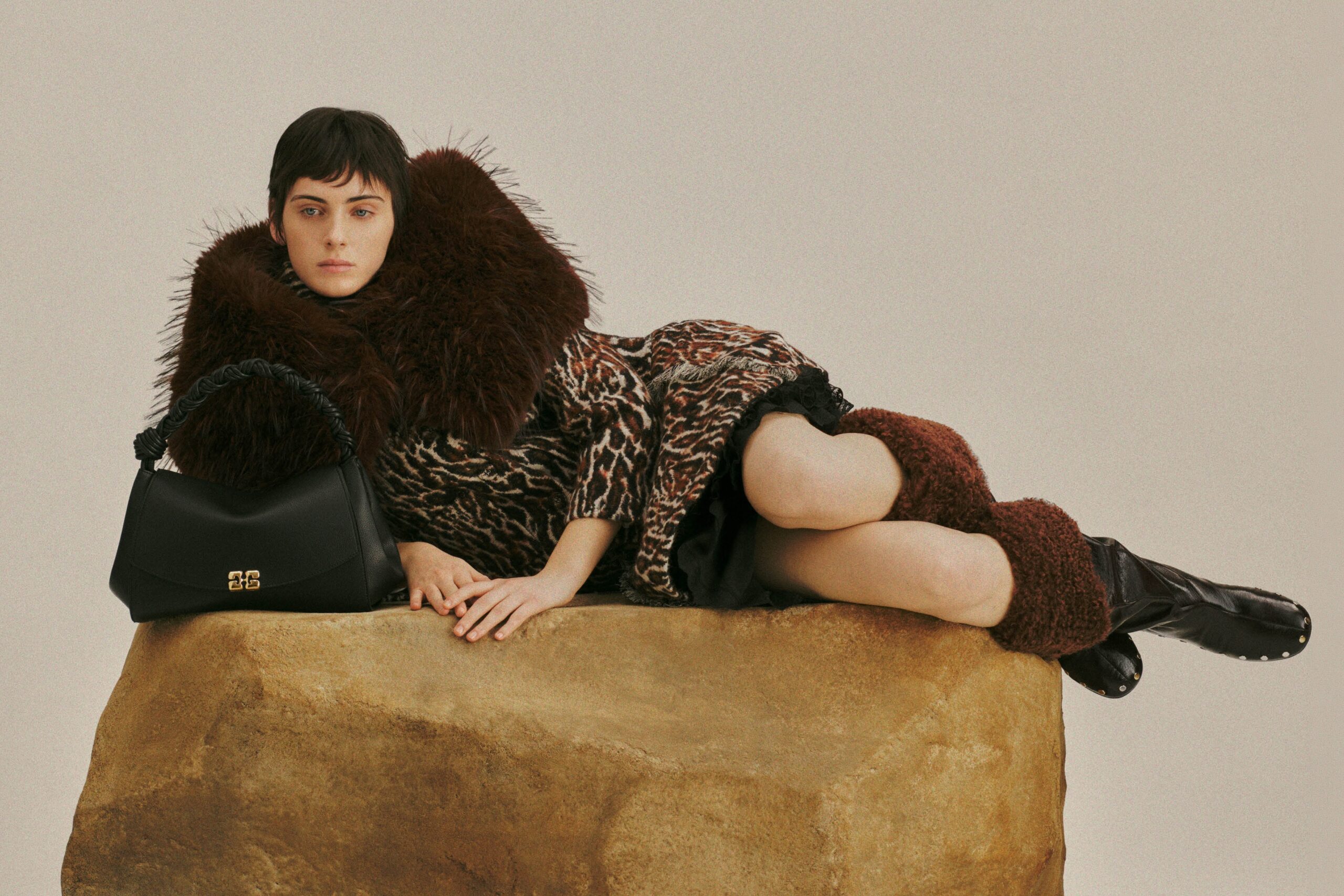
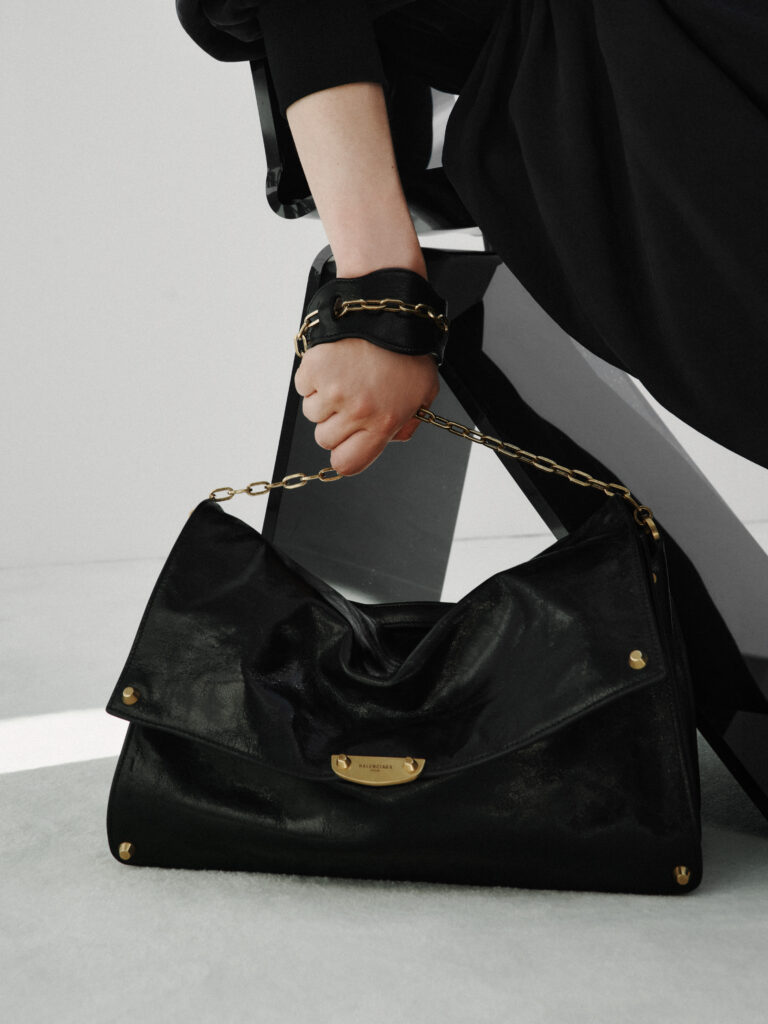
That tension between reality and aspiration extends to the accessories. The Le City returns softer, almost collapsed upon itself, its iconic shape reinterpreted through washed leathers that seem to have lived a life before reaching the runway. The Rodeo follows a similar path, reconstructed in ultralight nappa with nylon interiors that prioritize movement over monumentality. Even footwear appears liberated from rigidity, reduced to its most essential form.
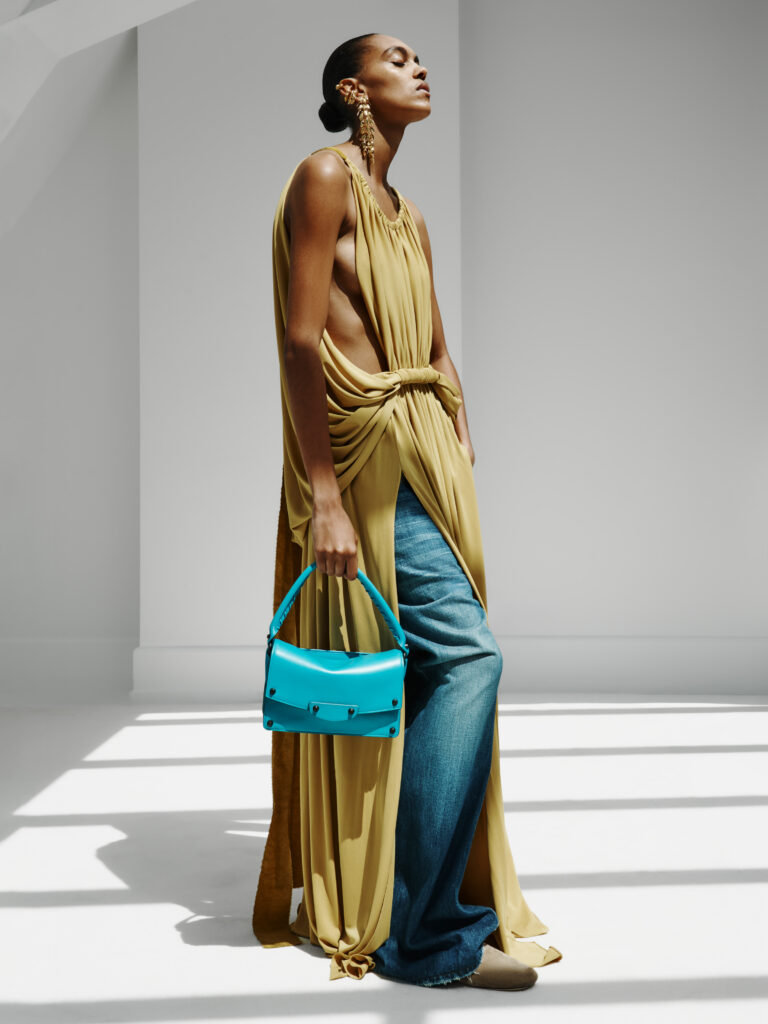
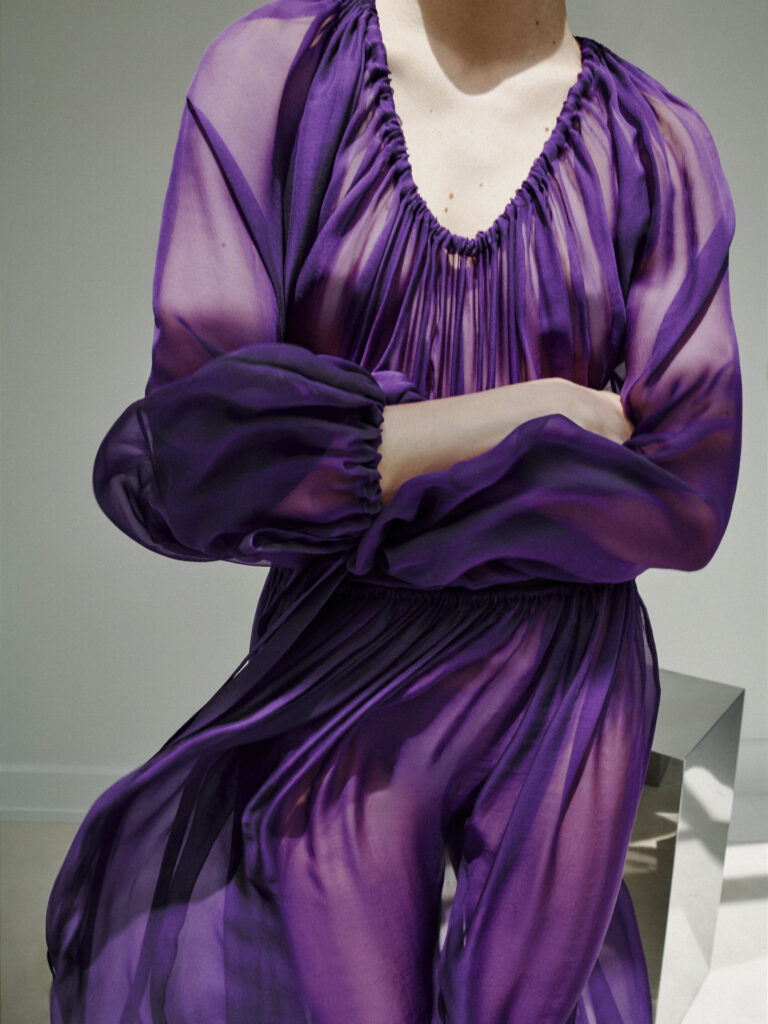
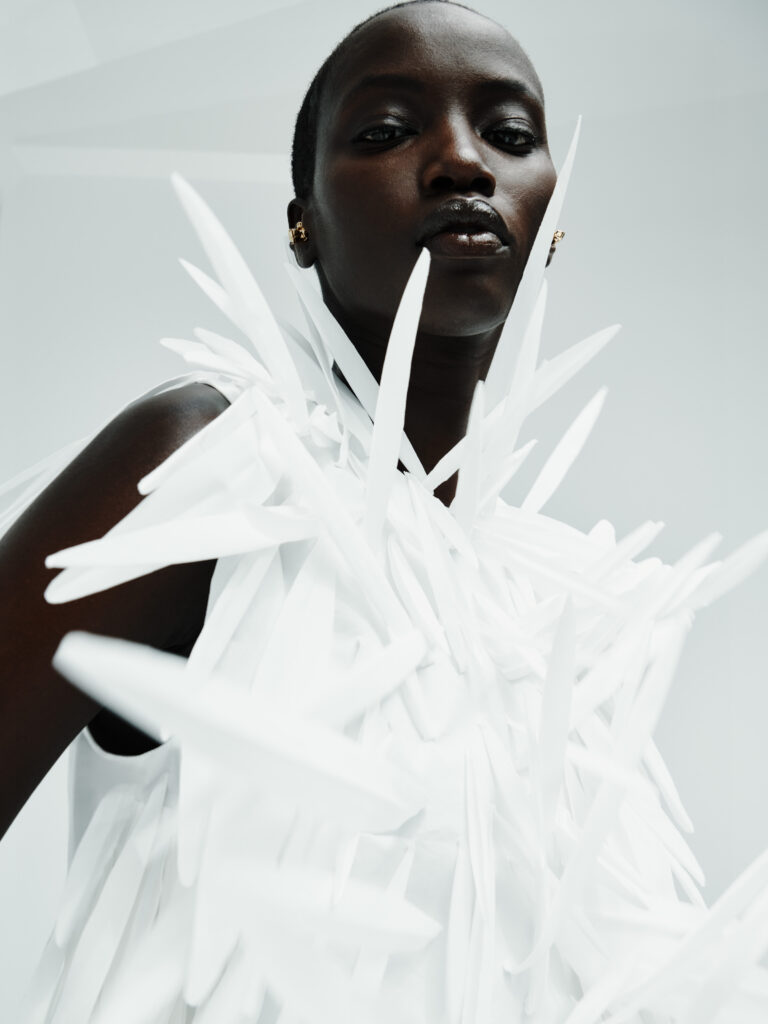
Throughout, there is a sense of dialogue, not only between Piccioli and Cristóbal Balenciaga, but between couture and everyday life. This conversation reaches its clearest expression in Robin Galiegue’s lookbook imagery, photographed at the threshold of the house’s historic headquarters on Avenue George V. Neither entirely inside nor outside, neither salon nor street, the images occupy the same liminal territory as the clothes themselves.
Fashion often associates power with volume, excess, and visibility. Piccioli proposes another possibility. In his vision of Balenciaga, strength is found in lightness. Luxury is measured not by what clothing adds but by what it allows.
Spring 2027 marks neither a rejection of the house’s past nor a nostalgic return to it but a reorientation in perspective: Balenciaga reframes silhouette, moving it away from spectacle and toward experience, where form is no longer displayed but lived through the body itself.
Lightness, it turns out, can be extraordinary.