Walk through most cities today, and you’ll count entire blocks of heads before you spot a single hat that isn’t a baseball cap. Somewhere in the last half-century, the hat lost its place as fashion’s most legible symbol, the one accessory that used to announce before a single word was spoken, exactly who you were and what room you thought you belonged in. A bowler meant one thing. A cloche meant another. A fedora pulled low over one eye meant something no dialogue in a film noir ever needed to say out loud. That vocabulary hasn’t disappeared. It’s simply been sitting, largely unread, in the hands of the very few ateliers still fluent in it.
This autumn, one of the last houses that never stopped speaking that language opens its notebook to the public. From September 23 to December 13, 2026, the Galerie du 19M in Aubervilliers will host Métamorphoses, les chapeaux de Maison Michel, a free, career-spanning exhibition dedicated to the milliner that has shaped headwear for nearly ninety years, on some of fashion’s most memorable runway moments.
The House That Chanel Trusted With Its Head
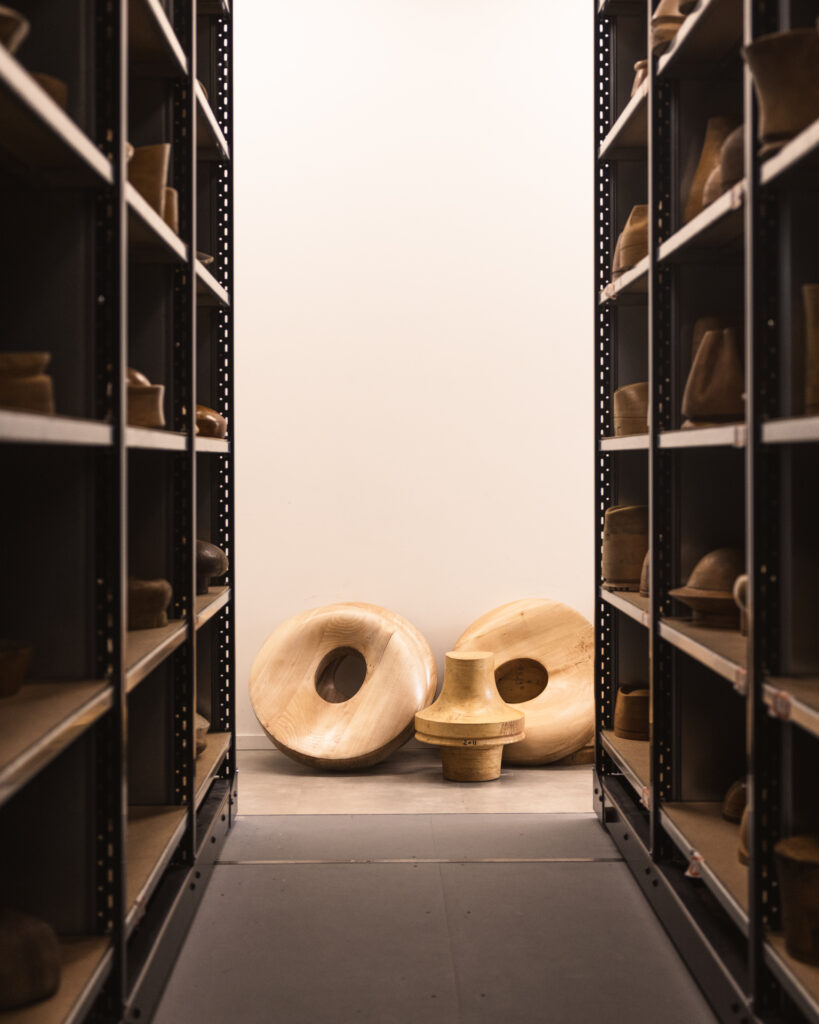
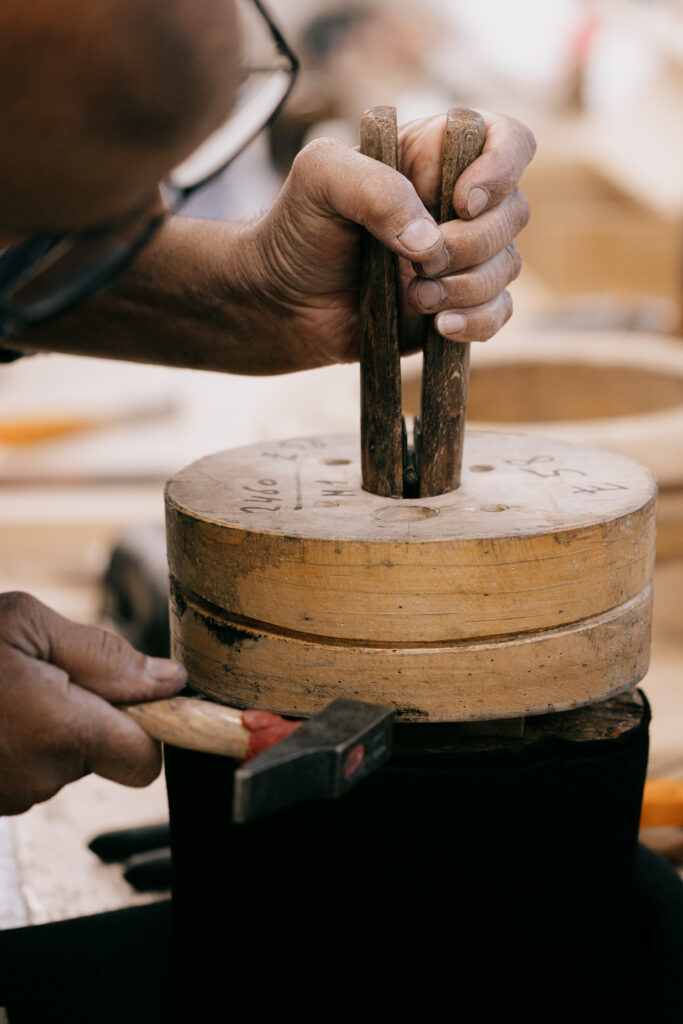
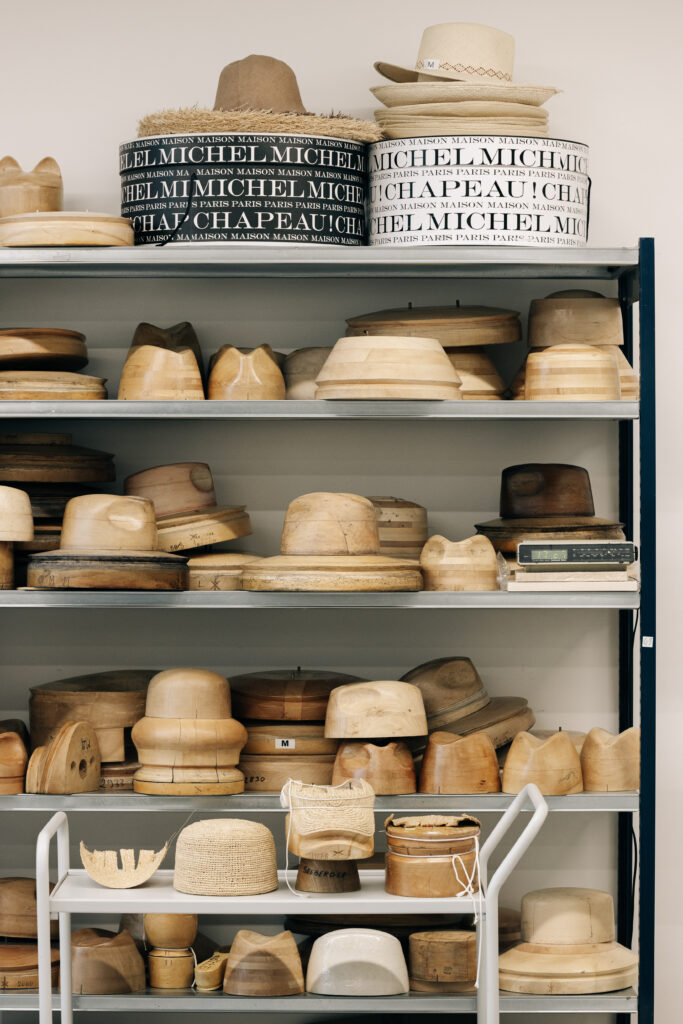
Maison Michel was founded in 1936, folded into Chanel’s constellation of Métiers d’Art ateliers in 1997, and has, since March 2021, been headquartered inside 19M, the extraordinary Rudy Ricciotti-designed building on the Paris-Aubervilliers border, its facade wrapped in threadlike concrete as a literal architectural nod to the hand-work happening inside. The name itself is a small manifesto: 19 for the arrondissement bordering the site, M for mains, mode, métier ( hands, fashion, craft ) three words that Maison Michel has spent nearly nine decades treating as inseparable. It’s here, alongside embroiderers Lesage and Montex, shoemaker Massaro and goldsmith Goossens, that the house has established its own formier workshop, the specialists who carve the wooden hat blocks every silhouette is built around, ensuring that a discipline most of the industry has let lapse remains, in this one building, fully intact.
From a Block of Wood to a Second Skull
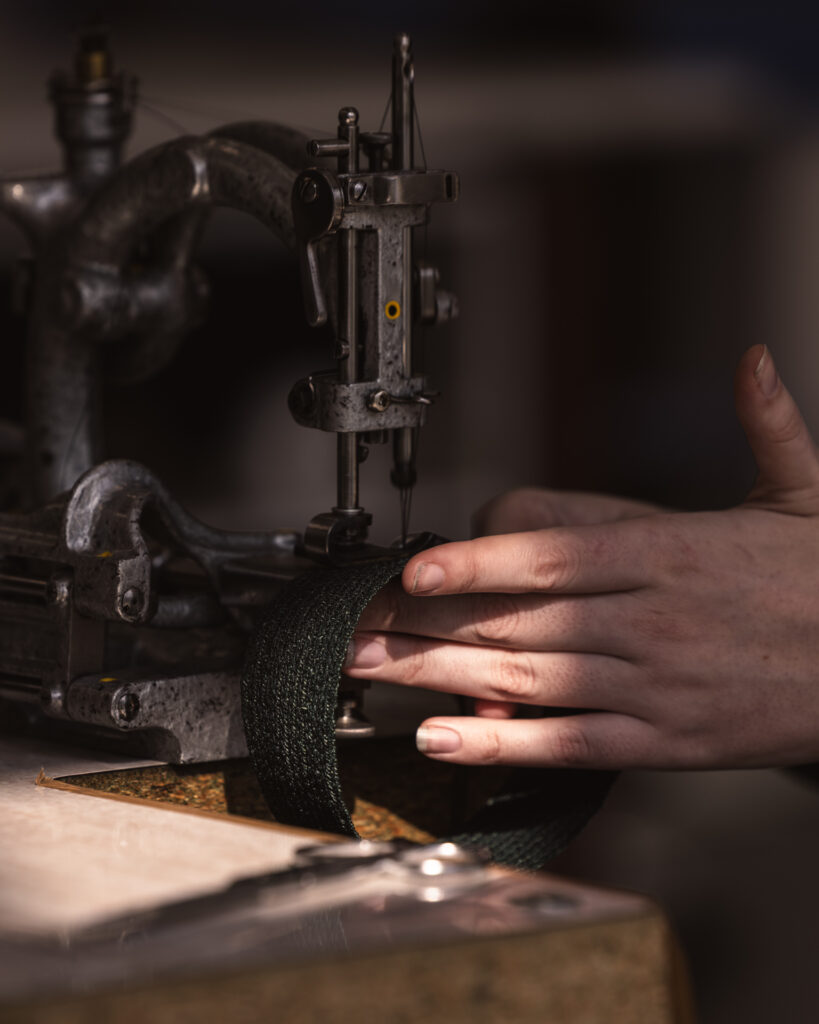
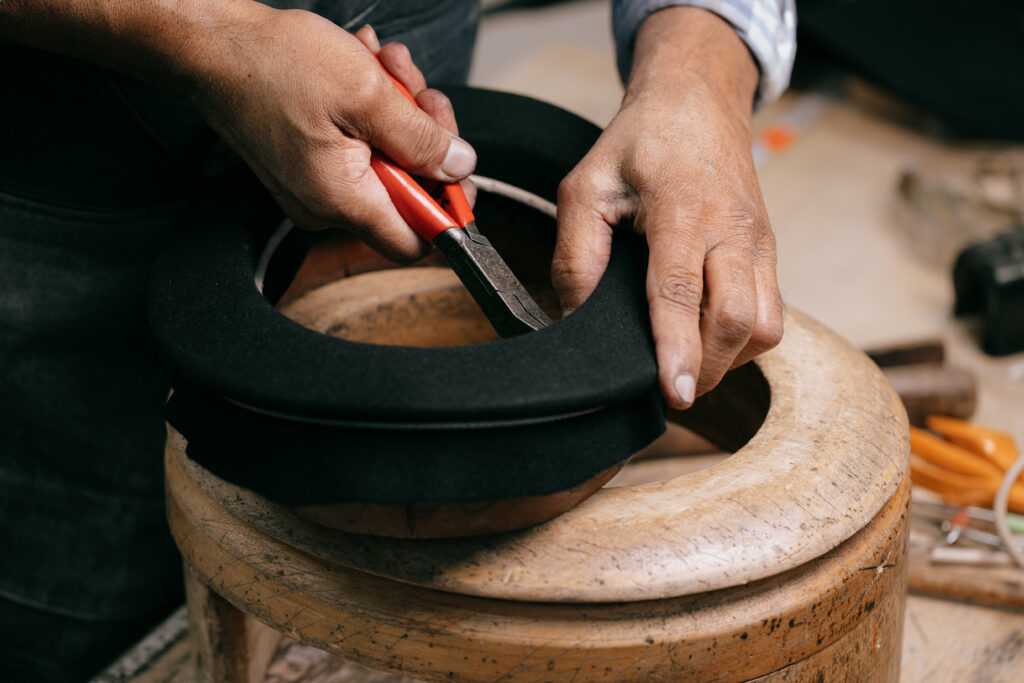
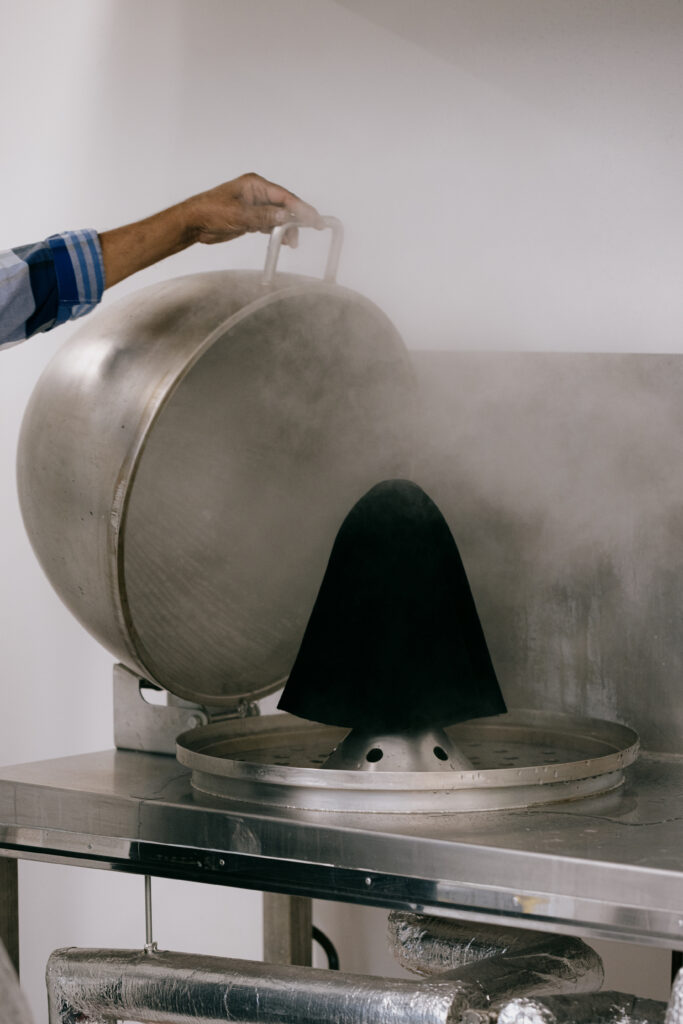
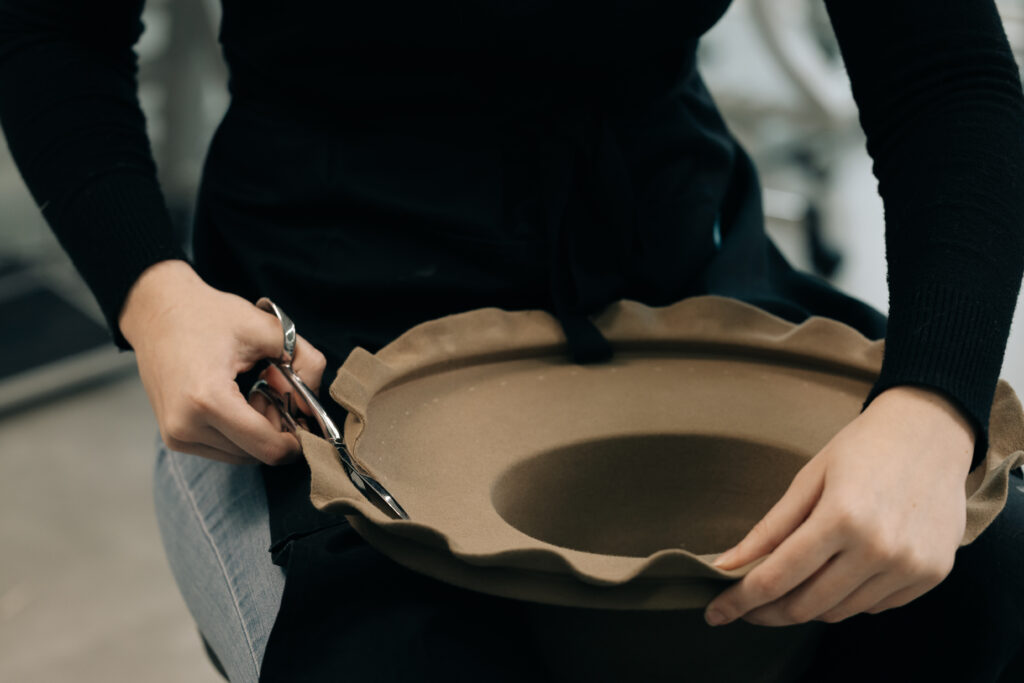
Métamorphoses pushes on the transformation the exhibition insists on making visible. The show traces the full, almost alchemical journey from raw material to finished silhouette: lime wood carved into the blocks that give every hat its skeleton, felt steamed and stretched over that skeleton like a second skull, ribbon and veiling arriving only at the very end to give a severe shape its final, human warmth. Visitors move through the specific vocabulary of the people who make this possible: the formiers who carve the blocks, the chapeliers who shape the felt, the straw-sewers whose stitching can take a lifetime to master, the modistes who assemble the final piece, a cast of specialists most fashion coverage never bothers to name, here given the show’s actual narrative center.
The objects themselves range from berets and boaters to capelines and fedoras, including pieces that once walked runways for some of fashion’s most significant houses, shown alongside newly commissioned work made in collaboration with a generation of younger designers, Maison Michel’s own soft insistence that a nearly century-old craft is not a closed archive, but an active, ongoing conversation.
Why the Hat Still Wins in Cinema
The exhibition’s sharpest curatorial instinct may be its decision to look at the hat through film rather than fashion alone. Cinema has never lost the plot on headwear the way ready-to-wear did; a hat on screen still functions as pure visual shorthand, doing narrative work no line of dialogue could match. Tilt the brim, and a character becomes dangerous. Remove it, and they become vulnerable. Long after the rest of an outfit fades from memory, audiences remember the hat. By placing millinery in dialogue with the moving image, Métamorphoses makes an argument fashion exhibitions rarely bother to make explicitly: that the hat’s real power was never about ornament at all but was always about identity, worn at a tilt.
Craft, Made Legible
True to 19M’s founding mission, making France’s métiers d’art genuinely accessible, the exhibition is free and open to all, with hands-on workshops threaded through its run, inviting visitors of every age to actually handle the tools and materials behind the objects on display. It’s a meaningful choice and a slightly pointed one: at a moment when “craftsmanship” has become one of luxury’s most overused marketing words, Maison Michel is making the comparatively rare gesture of letting the public touch the thing itself.
Métamorphoses doesn’t ask visitors to mourn the hat’s disappearance from daily life. It asks something more interesting: to notice how much meaning an object can still carry once you understand exactly what went into making it. Walk out of the Galerie du 19M this winter, and it’s hard to imagine looking at a bare head on a Paris street the same way again.