Photos Courtesy of Company
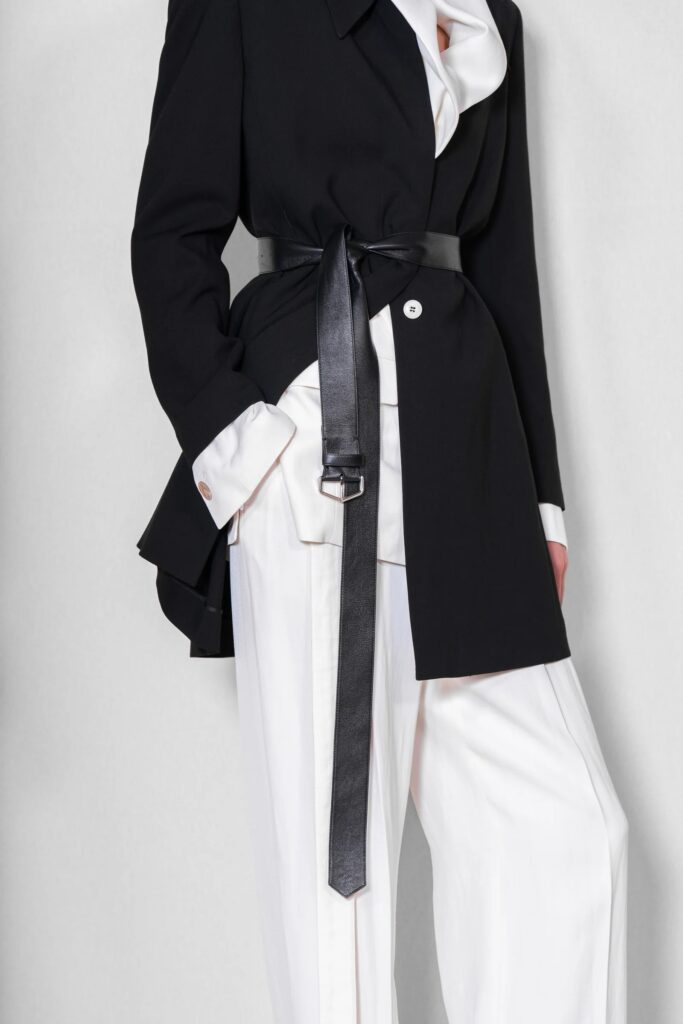
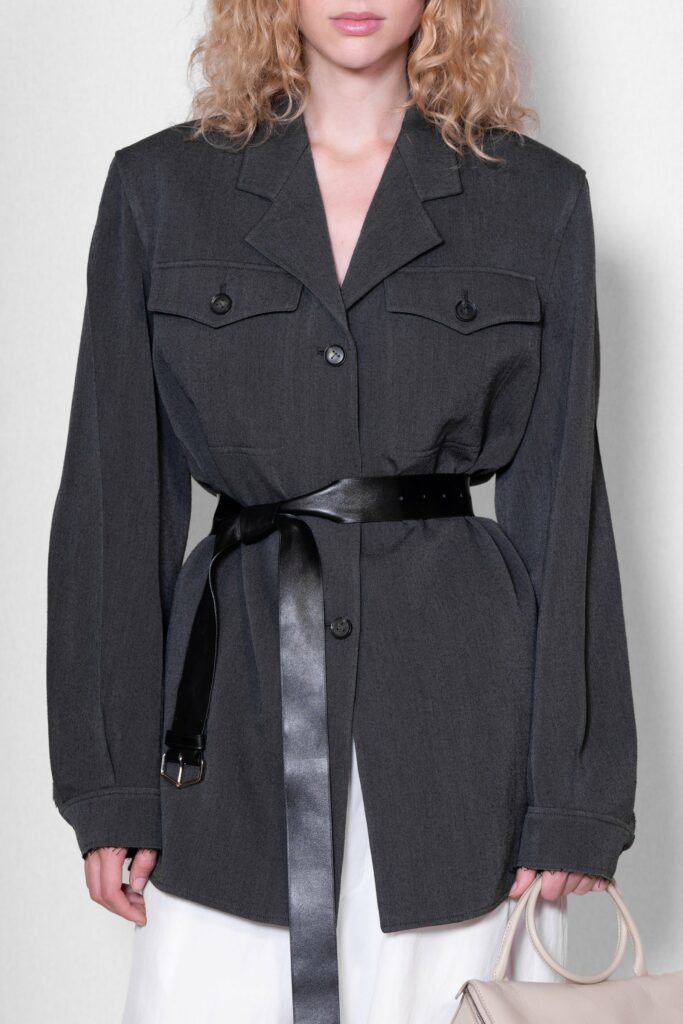
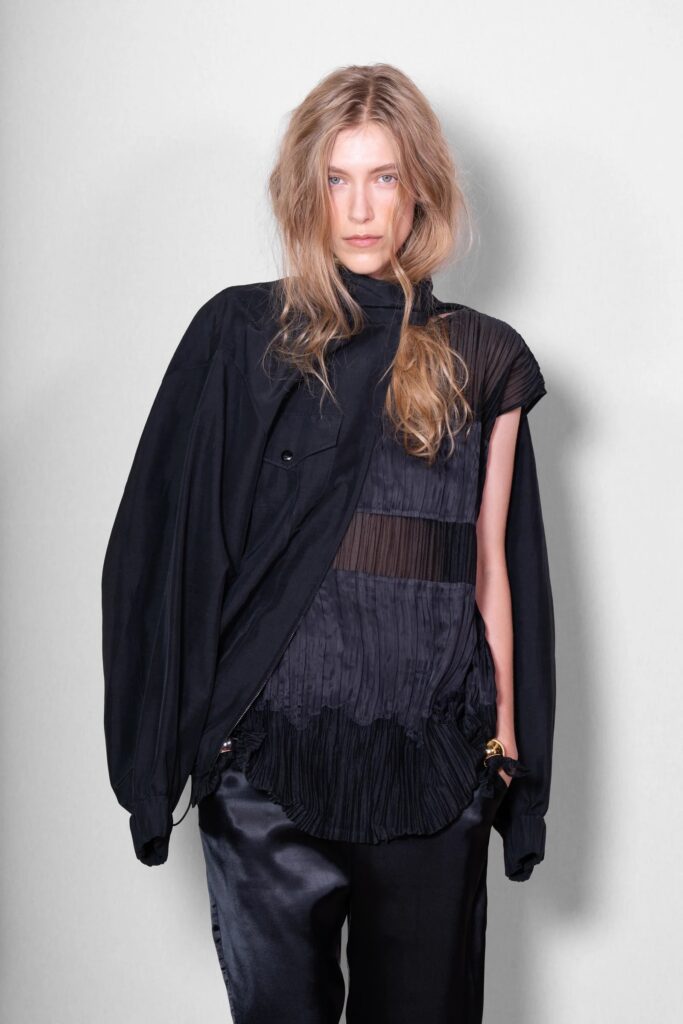
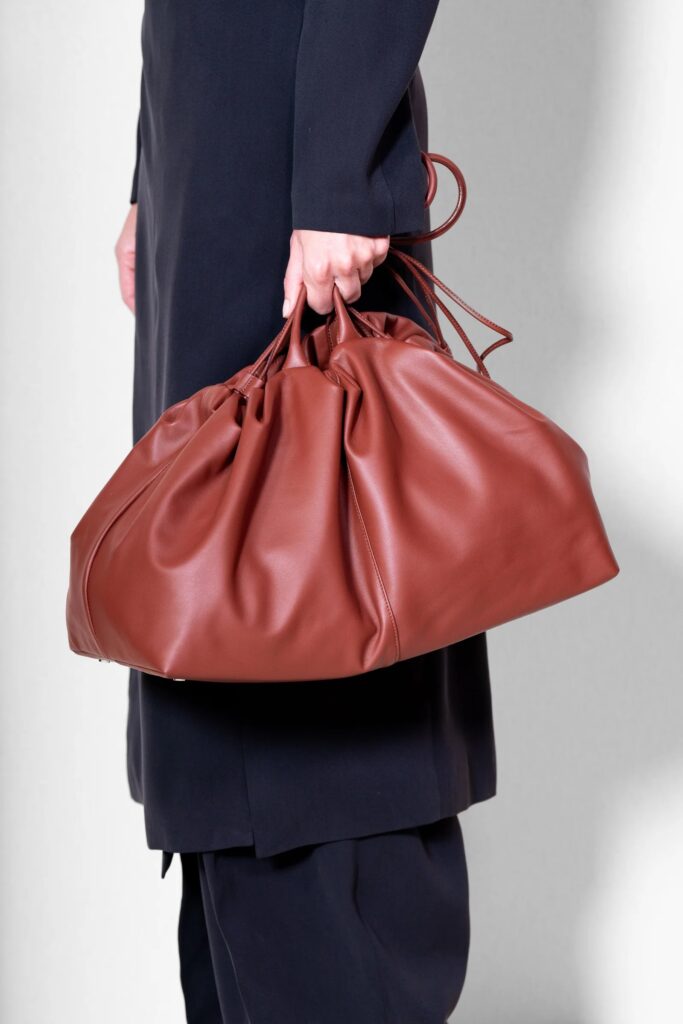
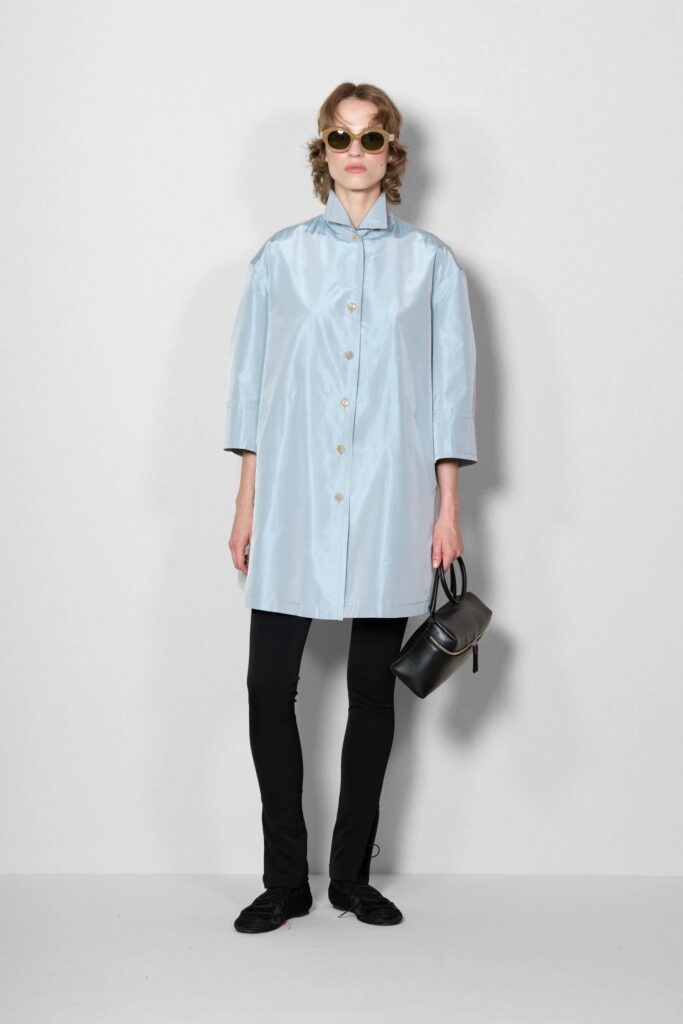
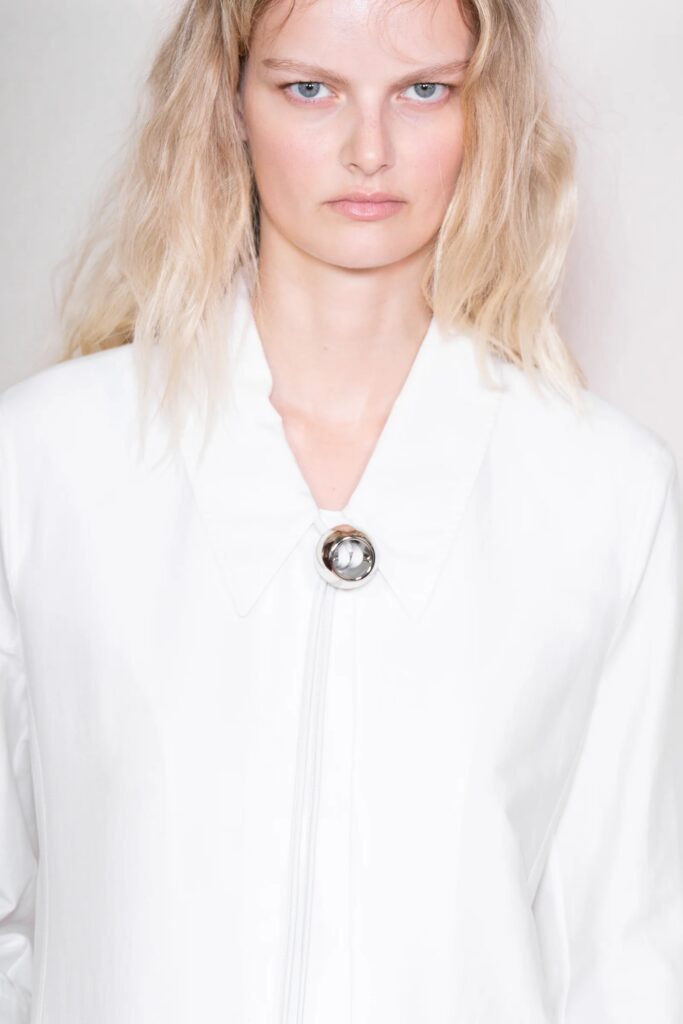
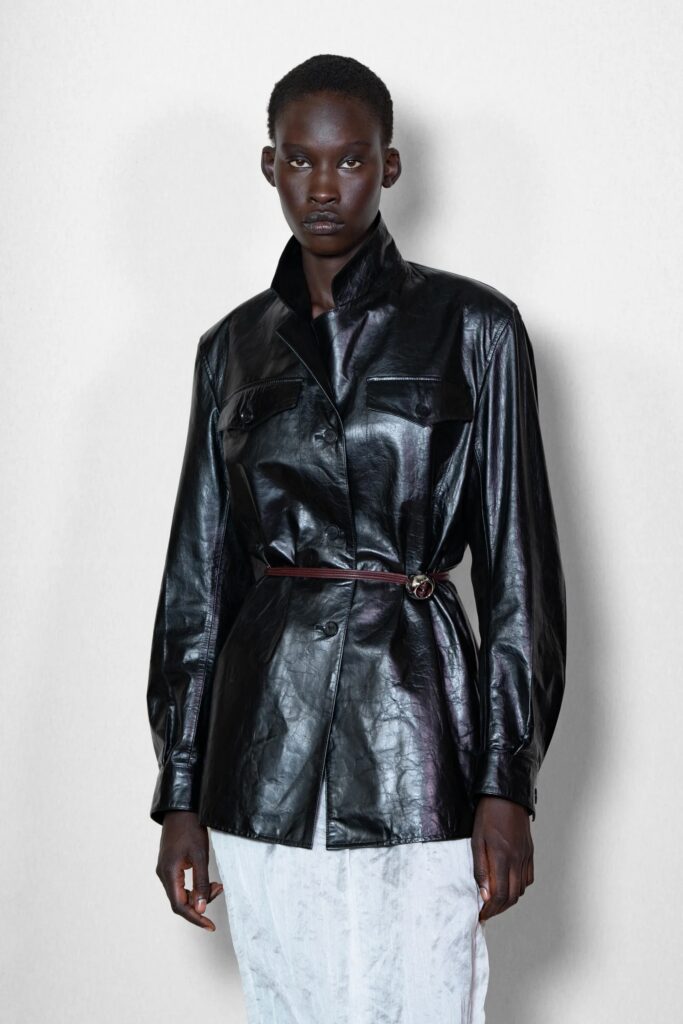
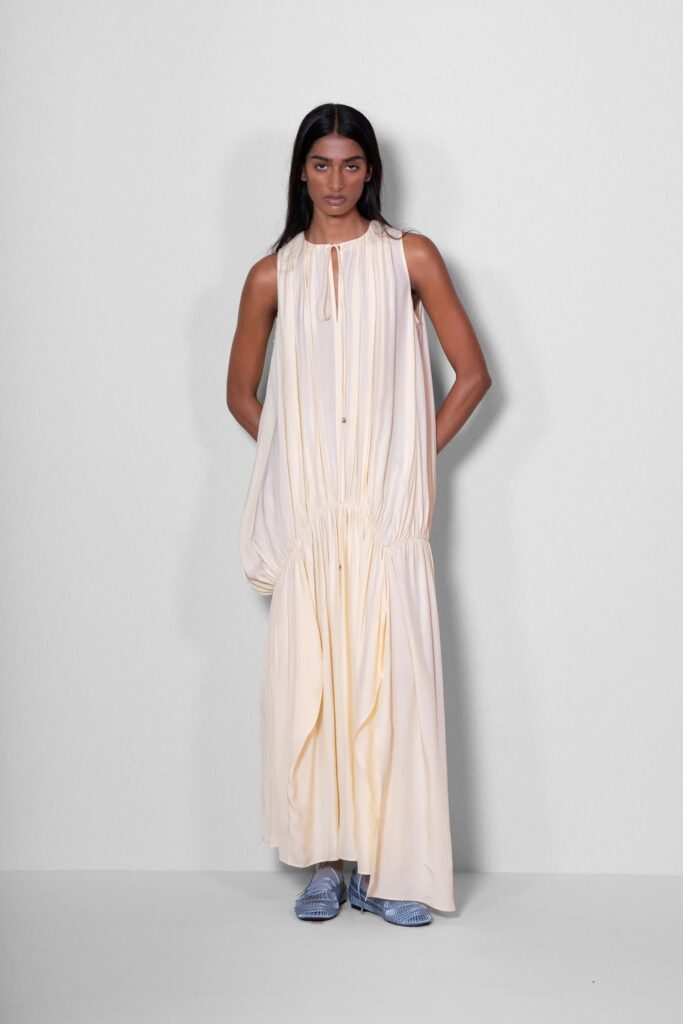
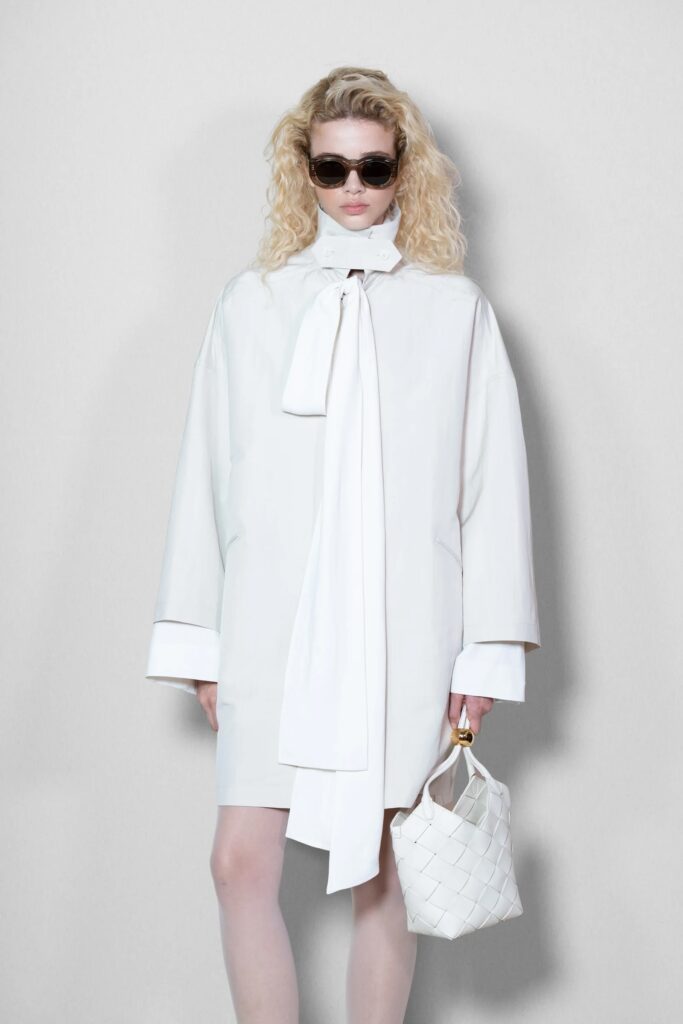
TIME’s Spring/Summer 2027 collection takes fashion’s most overlooked gesture, the second look, and lets color, fabric and silhouette settle into a single surface.
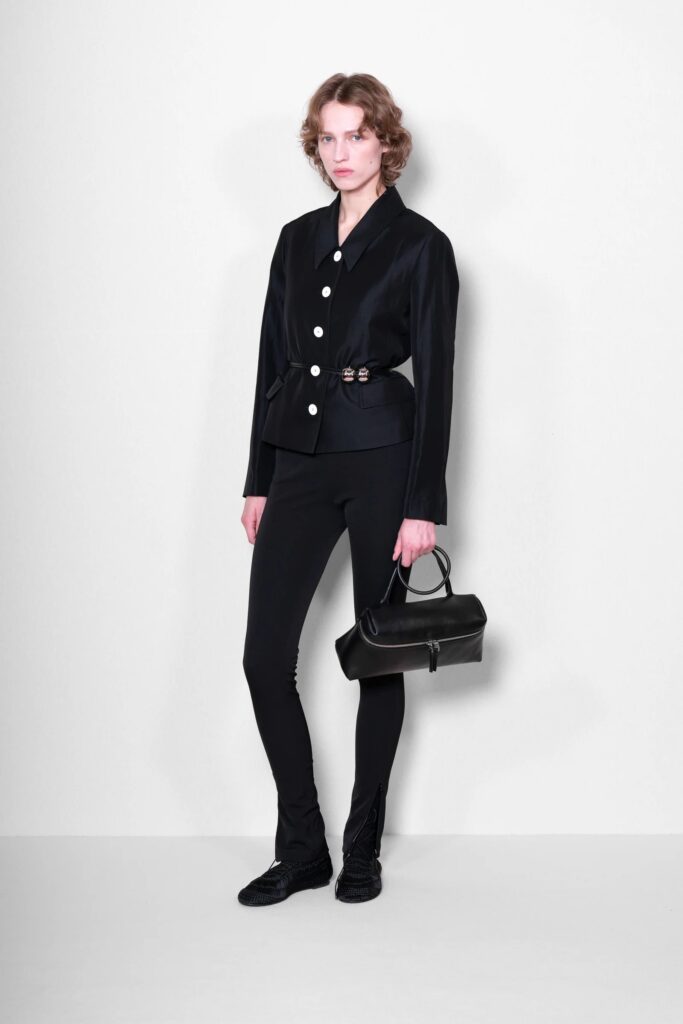
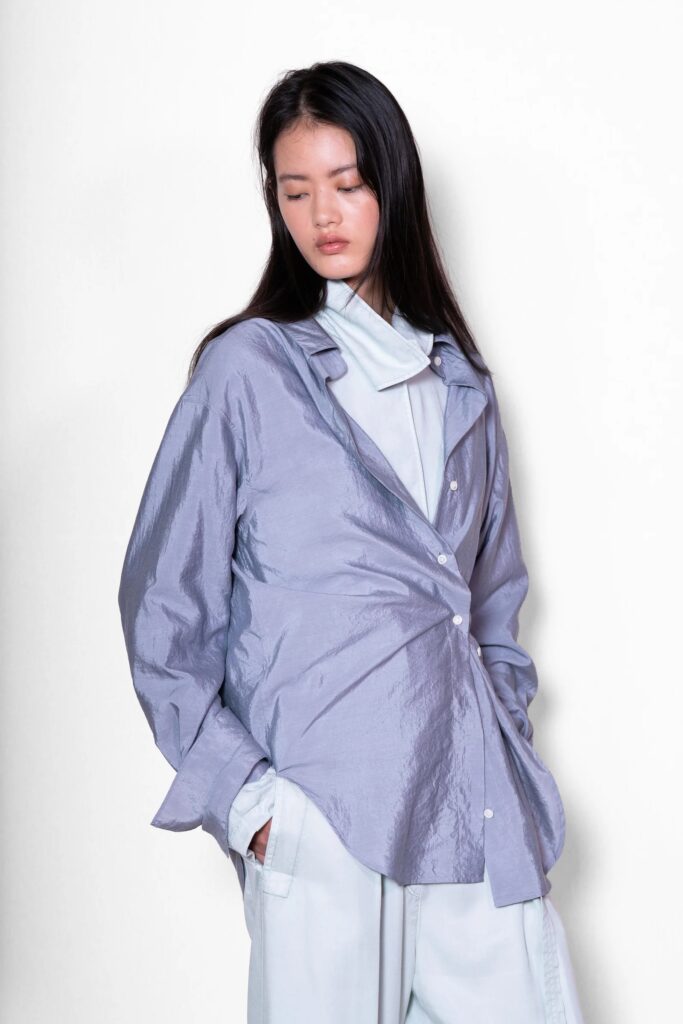
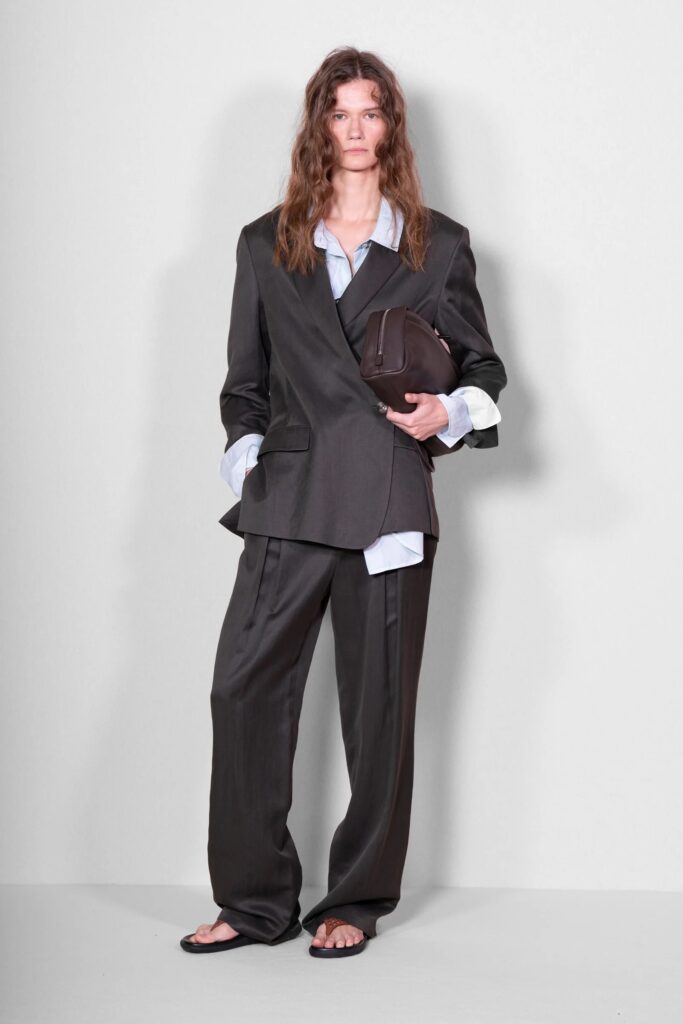
Fashion’s reflex is to add: another print, another volume, another drop before the last one has cooled. TIME begins Spring/Summer 2027 with a quieter premise. Creating something new, the brand argues, does not always start with addition. Sometimes it starts with a second look at what is already there, and a small shift in how the pieces relate. In an era of relentless creation and consumption, the collection, titled The First Layer — Into One, is interested in the moment an image takes form rather than the finished frame.
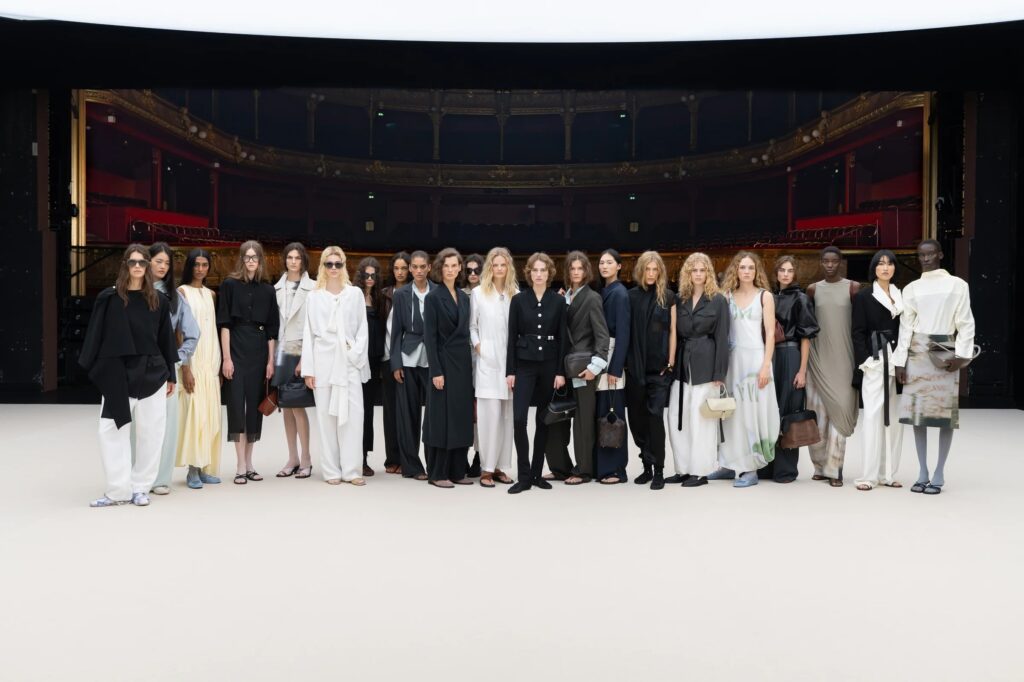
The setting continues that thought. On October 5, during the final days of Paris Fashion Week, TIME presented at the Théâtre du Châtelet, a theater that has hosted generations of art and culture since the 19th century. The brand built another stage inside it: an “Inner Stage” beneath a tilted frame of light, a layer added to a building already made of them. TIME has a habit of choosing rooms with history. It made its Paris debut in February 2024 at the Palais de Tokyo, and its Fall/Winter 2026 show took place at the Bibliothèque nationale de France.
The house itself is a quiet giant. TIME was founded in 1993, alongside a generation of Korean women entering the workforce, and built its name on elegant, purposeful suits and officewear. Owned by Handsome, it has been described as South Korea’s best-selling women’s fashion brand. Its global collection is directed by Jung In Choi, who joined Handsome as a TIME designer in 2006, became head designer in 2021, and took the creative director role in 2022. She describes the house’s identity as “Evolving Classic.” In 2025 came a pop-up at La Samaritaine in Paris and the opening of TIME Seoul, the brand’s first stand-alone flagship.
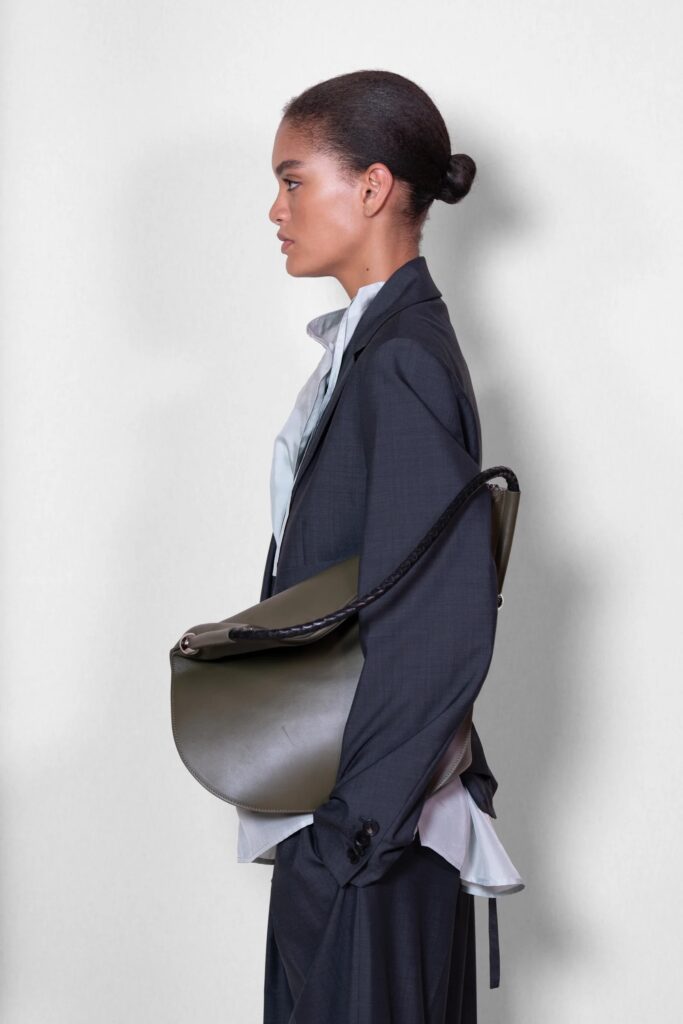
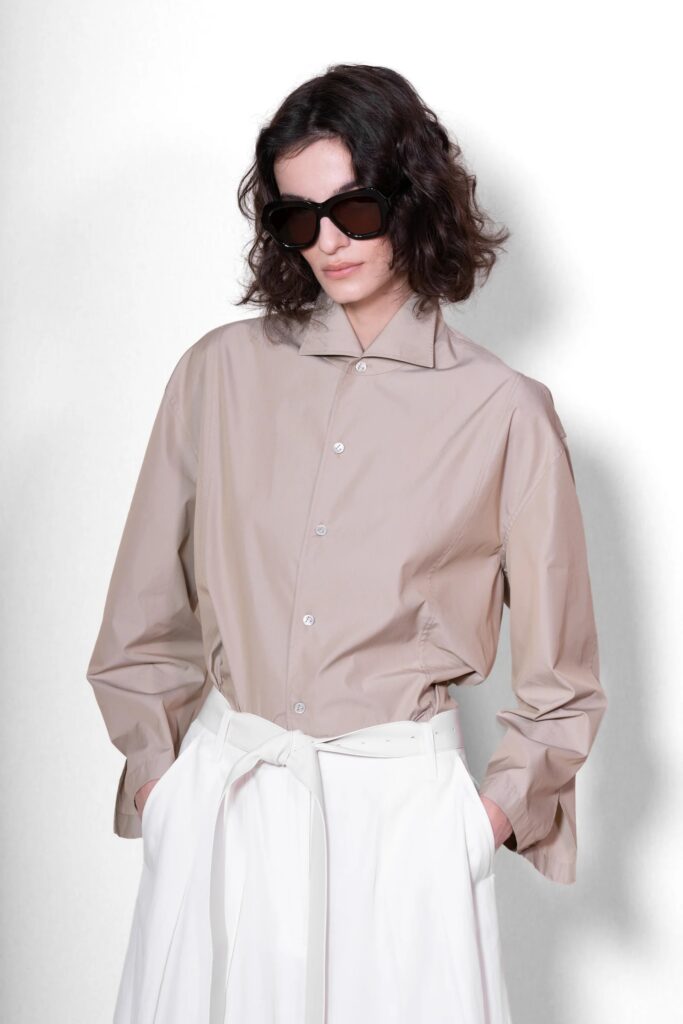
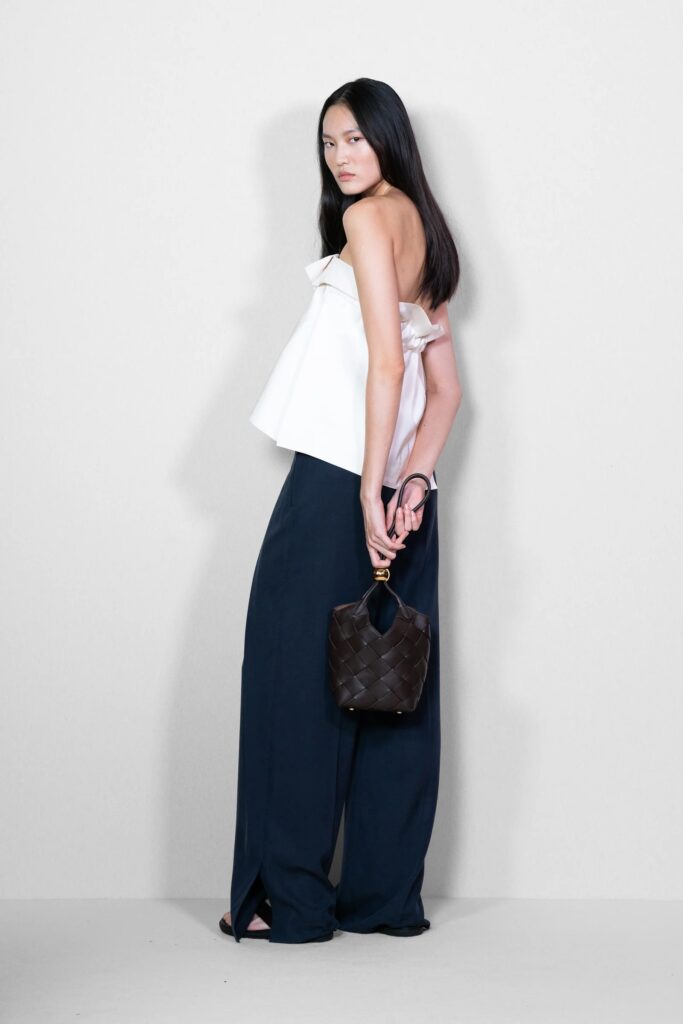
This season’s collaborator is the painter Moka Lee, and the match is apt. Born in 1996, Lee builds portraits from images of strangers she finds on social media, a practice that the CNN profile of her ties to Instagram’s infinite scroll. She applies pigment one color at a time in near-translucent layers, which gives her canvases a laminate-like surface, and she was named to Artsy’s Vanguard list for 2025. For a generation raised on the feed, her work slows the scroll down until a face has depth. TIME says her way of layering, reconstructing and gathering elements into a single image mirrors its own exploration of the inner world of women.
The collection’s color works in a similar way, through time and chance. Cold dyeing lets pigments settle naturally into the fabric, producing subtle variations in tone and a sense of human warmth. Silk catches the light, and irregular pleats hold the traces of movement. In the brand’s words, color holds time, material holds sensation, and chance takes form. A generation weary of everything being filtered into sameness may find a pleat that remembers a body more persuasive than any campaign.
The rest of the brief is edit. Forms are meant to read as distinct and structures restrained, with materials keeping what the brand calls their raw, tactile honesty. Paris Fashion Week is not short of spectacle, and TIME’s pitch is the opposite instinct: refine, distill, move closer to the essential. “Nothing more needs to be added,” the brand says, which is a bold sentence to build a season around.
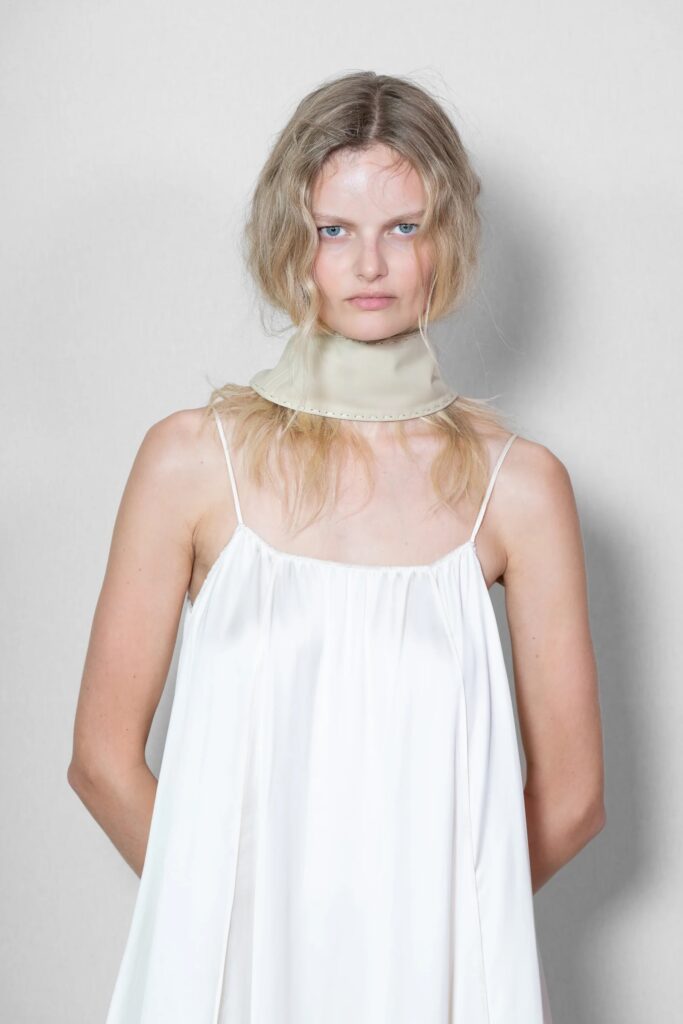
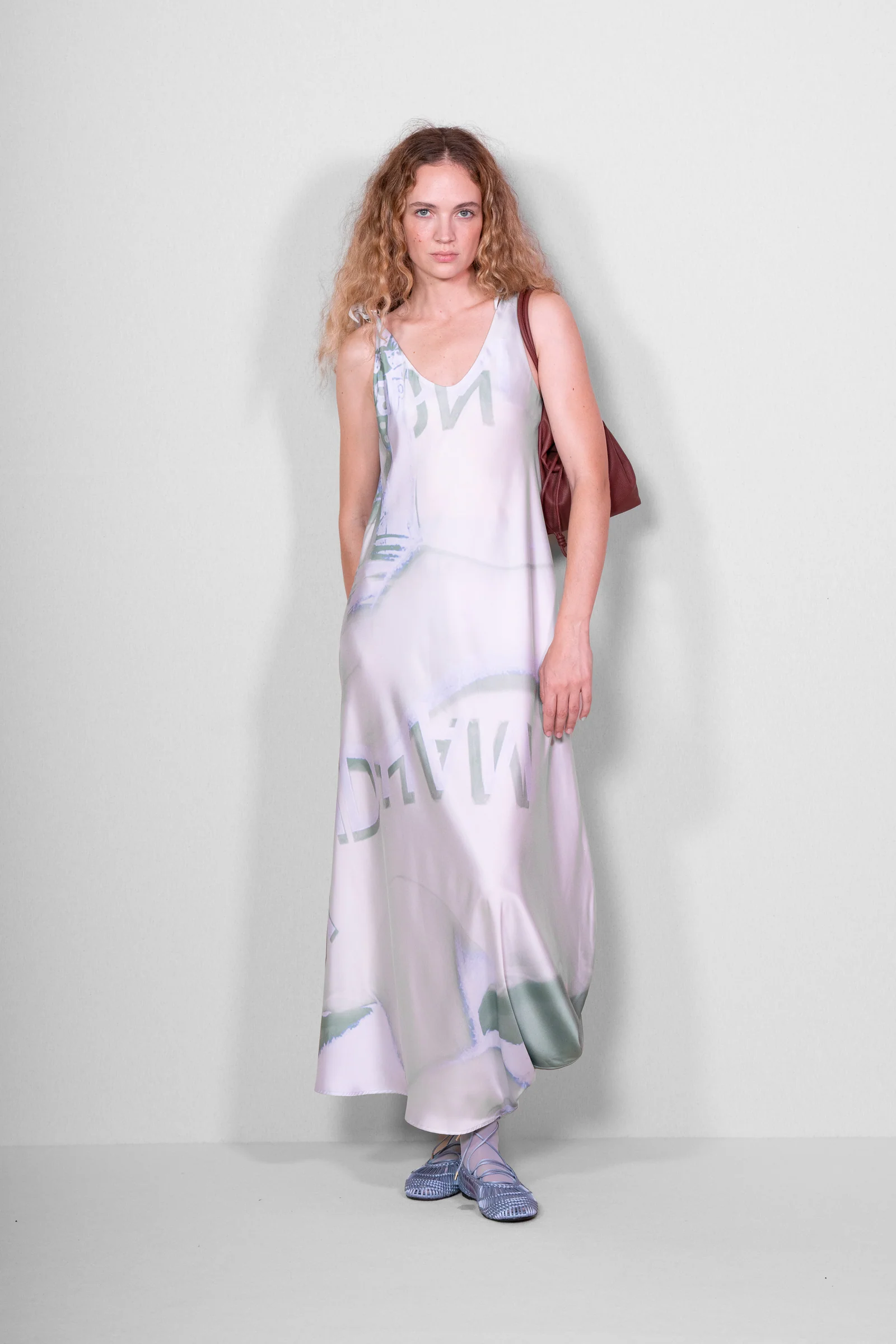
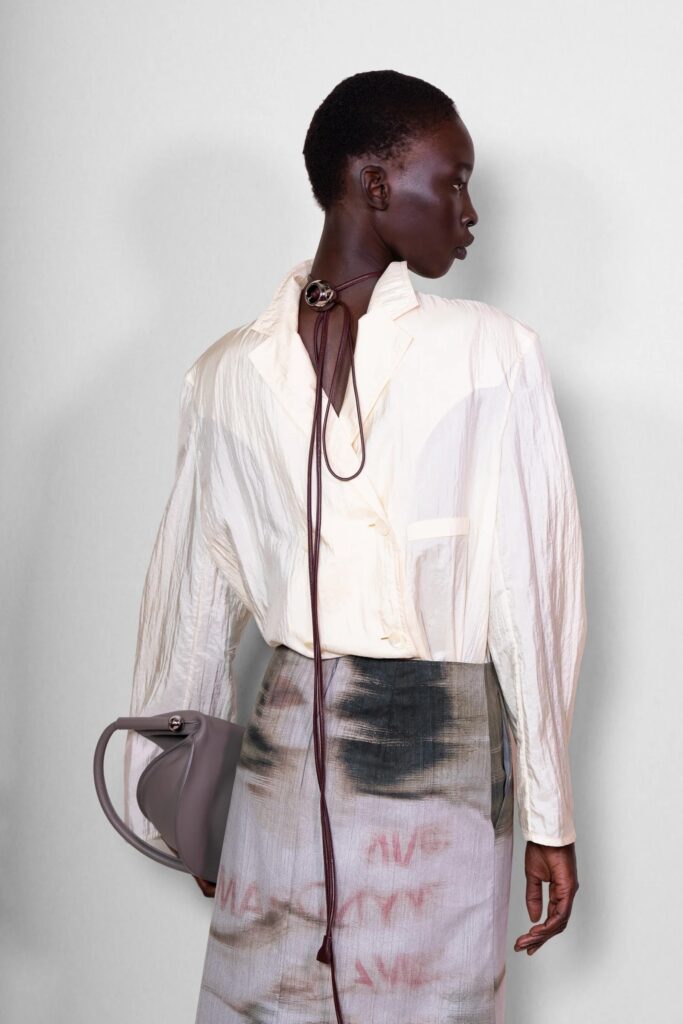
What TIME offers is a way of dressing as an act of arrangement. Sensations, memories, and desires gather over time and settle into something that reads as one: Different sensations. One form. In a season of more, that feels like enough.